Latest posts
Image that illustrates

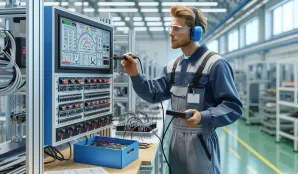
An AV technician is responsible for installing, commissioning, and maintaining equipment for sound, image, and presentation technology in various environments such as conference rooms, theaters, concert halls, and educational facilities. Tasks include setting up microphones and projectors, troubleshooting, and optimizing advanced systems for audio and lighting production. The work is often performed in teams and requires close collaboration with technical staff and users, where flexibility and problem-solving skills are crucial. The work environment can vary from office settings, event venues, and sometimes outdoors during larger productions, which means work can occur during daytime and outside regular hours.

Read more ->
Image that illustrates

An AV producer is responsible for planning, production, and execution of audiovisual projects such as film, video, radio, and digital media. Tasks include budgeting, scheduling, team coordination, technical planning, and contact with clients and partners. The role often involves managing rights, procurement of equipment and personnel, and quality control of the final product. The work takes place both in creative environments like studios and on location during recordings, requiring flexibility and the ability to handle rapid changes. An AV producer often faces a fast pace and is expected to solve problems under pressure, with communication with both technical and artistic staff being essential.

Read more ->
  • Public Opinion - Opinion Poll Status Novus: Unchanged Support – Social Democrats Largest
    Wed, 19 Nov 2025 - 08:35
  • National Debt - The National Debt – Level, Development, and Significance for Sweden
    Wed, 8 Oct 2025 - 08:00
Image that illustrates What does an Auto Technician do? – Tasks and work environment
What does an Auto Technician do? – Tasks and work environment

An Auto Technician works on servicing, troubleshooting, and repairing passenger cars, transport vehicles, and sometimes heavier vehicles. Tasks include both mechanical and electronic components, often performed in a workshop environment equipped with advanced diagnostic tools. In addition to routine maintenance such as oil changes and brake replacements, more complex faults are handled, for example, engine control systems, gearboxes, and electrical systems. The work requires both practical problem-solving skills and a good understanding of the rapid development in vehicle technology. The environment is often physically demanding, but modern workshops now offer better ergonomics and safety routines than before.

Read more ->
Image that illustrates What does an automated welder do? – Tasks and work environment
What does an automated welder do? – Tasks and work environment

An automated welder works with monitoring and controlling automated welding processes within the industry, often in the production of metal components. The profession involves setting up and programming welding robots, inspecting weld quality, and performing maintenance on machines. The work is usually carried out in industrial environments, where precision and safety are crucial. Automated welders often collaborate with other operators, technicians, and engineers to ensure production maintains the correct pace and quality. The work environment can be noisy and requires protective equipment, but automation helps reduce the most strenuous tasks compared to manual welding.

Read more ->
Image that illustrates What does an automatsvarvare do? – Tasks and work environment
What does an automatsvarvare do? – Tasks and work environment

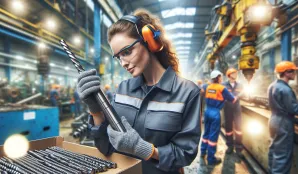
An automatsvarvare primarily works with setting up, monitoring, and maintaining automatic lathes and other metalworking machines in industrial environments. Tasks include reading and interpreting drawings, selecting appropriate tools and materials, and conducting quality checks of finished products. Automatsvarvare are also responsible for ensuring machines operate optimally, which involves regular maintenance and troubleshooting during operational disruptions. The work environment is often industrial, potentially involving shift work, a fast pace, and noisy conditions, where safety routines are crucial to minimize workplace accidents.

Read more ->
Image that illustrates What does an Automated Machine Setter do? – Tasks and Work Environment
What does an Automated Machine Setter do? – Tasks and Work Environment

An Automated Machine Setter works with setting up, monitoring, and adjusting automated machines within the industry, primarily in metalworking. The role involves responsibility for ensuring machines operate optimally, which includes installing tools, replacing components, and ensuring smooth production flow. The work environment often features production halls with noise, heavy lifting, and sometimes shift work. A high level of precision and technical knowledge is required, as incorrect settings can affect both quality and safety in production.

Read more ->
Image that illustrates What does an automated operator do in a workshop? – Tasks and work environment
What does an automated operator do in a workshop? – Tasks and work environment

An automated operator in a workshop is responsible for monitoring, controlling, and maintaining automated machines and production lines in the metal industry. Tasks include starting, stopping, and overseeing machines, checking product quality, refilling materials, and performing basic maintenance and troubleshooting. Documentation of production and reporting deviations to management or technicians are also common. The work environment is characterized by industrial settings with noise, heavy lifting, and shift work. Safety regulations and attention to detail are central to daily routines, and teamwork is common to ensure a smooth production flow.

Read more ->
Image that illustrates What does an automation operator in goods handling do? – Tasks and work environment
What does an automation operator in goods handling do? – Tasks and work environment

An automation operator in goods handling is responsible for monitoring, operating, and maintaining automated machinery and equipment used for handling, packing, or sorting goods in various types of production and warehouse facilities. The work involves ensuring that machines operate without interruption, quickly fixing minor technical faults, and refilling materials as needed. The work environment is often industrial and can be noisy, requiring physical presence at the machines, while demanding precision and the ability to follow instructions. Shift work is common, especially in larger warehouses and production plants operating around the clock.

Read more ->
Image that illustrates What does an automated press operator in metal do? – Tasks and work environment
What does an automated press operator in metal do? – Tasks and work environment

An automated press operator in the metal industry oversees, controls, and maintains automated stamping machines in the metal sector. Tasks include machine setup, supervising production, quality checks, and minor maintenance. It also involves handling materials before and after pressing and quickly resolving any operational issues. The work environment features high safety standards, noise, and a consistent production pace, demanding accuracy and technical skills. Protective equipment is regularly used, and work is usually performed in shifts, both day and evening shifts.

Read more ->
Image that illustrates What does an automated vending machine replenisher do? – Tasks and work environment
What does an automated vending machine replenisher do? – Tasks and work environment

An automated vending machine replenisher is responsible for stocking, servicing, and maintaining various types of vending machines, such as coffee machines, candy dispensers, and beverage machines at workplaces, schools, and public environments. The job involves planning and executing refill rounds according to schedule, ensuring the machines are clean and functioning properly, and handling minor faults and service requests. The role often requires a driver’s license, as transportation between sites is common, and the work environment is mobile, involving both indoor and outdoor work. Customer contact is a natural part of the day, requiring good service skills and attention to detail.

Read more ->