Latest posts
Image that illustrates

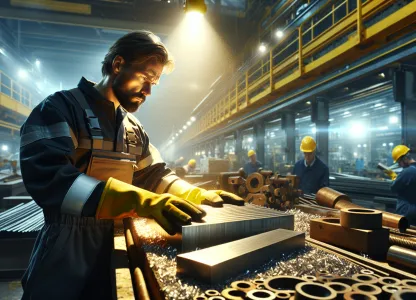
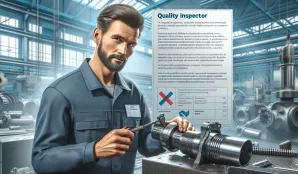
An inspector in casting works with examining and verifying cast metal products before they proceed to the next stage of production or are delivered to customers. Tasks include visual inspection, use of measurement tools, and testing to ensure products meet quality standards and specifications. The work often takes place in an industrial environment near production lines, which can involve noise, dust, and working with machinery. Precision, patience, and good physical endurance are important qualities in this role, as even small deviations can affect the final product's quality.

Read more ->
Image that illustrates

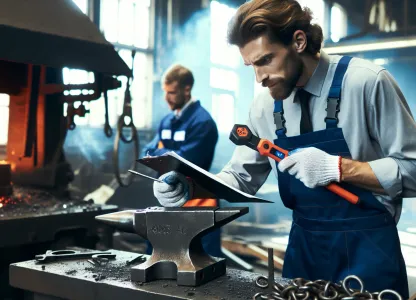
An inspector in fine mechanics is responsible for carefully examining and inspecting small and complex components used in, for example, instruments, optical devices, or medical technology equipment. The work often involves using magnification equipment and advanced measurement tools to identify possible defects, scratches, or deviations in detail. The environment is usually clean and well-organized, sometimes requiring work in cleanrooms or under magnifying glasses. Precision, patience, and an eye for detail are crucial, as even minimal deviations can affect the product's functionality. Often, collaboration with other technicians and production staff takes place to ensure quality standards and delivery requirements.

Read more ->
  • Public Opinion - Opinion Polls: Kantar-Sifo shows increased support for S, decline for SD and C
    Fri, 13 Feb 2026 - 01:35
  • National Debt - The National Debt – Sweden's debt exceeds 1,280 billion kr
    Mon, 9 Feb 2026 - 09:59
  • Swedens Policy Rate - Policy rate remains at 1.75% – Riksbank signals stability
    Thu, 29 Jan 2026 - 14:02
Image that illustrates What does an inspector within electrical power engineering products do? – Tasks and work environment
What does an inspector within electrical power engineering products do? – Tasks and work environment

An inspector within electrical power engineering products is responsible for carefully checking and testing electrical components and systems before delivery to customers or commissioning. Tasks often include visual inspection, measurements, functional testing, and documentation of faults and deviations. The role requires a combination of technical understanding, precision, and a structured work approach. The work environment is characterized by work in production facilities or workshops where safety routines are central, and collaboration with other technicians, engineers, and quality managers is a natural part of everyday life.

Read more ->
Image that illustrates What does an inspector within electrical and telecommunication do? – Tasks and work environment
What does an inspector within electrical and telecommunication do? – Tasks and work environment

An inspector within electrical and telecommunication works with inspecting, testing, and quality assurance of electrical and telecommunication installations and components. Tasks include visual inspections, measuring electrical values, and documenting deviations or faults. The role also involves ensuring that all installations meet current standards and safety requirements. The work is often carried out in production environments, construction sites, or industrial settings, with close collaboration with installers and engineers. The work environment can range from clean laboratory settings to noisier, physically demanding environments in the field.

Read more ->
Image that illustrates What does an Avsynare within borrstål do? – Tasks and work environment
What does an Avsynare within borrstål do? – Tasks and work environment

An Avsynare within borrstål works with quality inspection and control of drill steels and other components used in industry, primarily in metal manufacturing and processing. The work involves carefully examining drill steels for defects, wear, and deviations from specifications using both visual methods and measuring instruments. The work environment is often production-related and can be noisy and physically demanding, involving both standing and moving work. Safety and precision are central to the profession, as it is crucial that only fully approved products proceed to customers or further processing.

Read more ->
Image that illustrates What does an inspector in bookbinding do? – Tasks and work environment
What does an inspector in bookbinding do? – Tasks and work environment

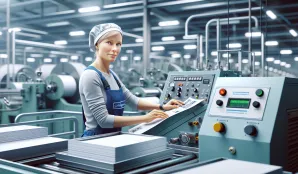
An inspector in bookbinding is responsible for examining and checking finished printed materials before they leave the binding facility. Tasks include careful inspection of books, brochures, and other printed products to identify any defects such as incorrect bindings, printing errors, or damage to the material. The work requires great accuracy, patience, and a keen eye for details. The work environment is often industrial and may involve working with machines or manual stations where products are inspected one by one. Collaboration with other roles within the bookbinding process is common, and the pace can sometimes be high depending on production volume and deadlines.

Read more ->
Image that illustrates What does an inspector do in the concrete products industry? – Tasks and working environment
What does an inspector do in the concrete products industry? – Tasks and working environment

An inspector in the concrete products industry is responsible for checking and assessing the quality of concrete products, such as pipes, slabs, and prefabricated elements. The tasks include visual inspection and the use of measuring instruments to ensure products meet applicable standards and customer requirements. The work often takes place in industrial environments where accuracy and systematic work are crucial for detecting possible faults or deviations. The working environment can be noisy and sometimes dusty, which requires protective gear and good physical condition.

Read more ->
Image that illustrates What does a segment producer do? – Tasks and work environment
What does a segment producer do? – Tasks and work environment

A segment producer is responsible for leading and coordinating the production of individual episodes within TV, radio, or digital media productions. Tasks include planning recordings, budgeting, staffing, scheduling, and ensuring that the creative and technical work maintains high quality. The role also involves close contact with directors, scriptwriters, technicians, and other production team members, as well as ensuring that the final product meets client and audience expectations. The work environment is often dynamic and can vary between office work, filming locations, and sometimes irregular hours depending on production demands.

Read more ->
Image that illustrates What does a taster do? – Tasks and work environment
What does a taster do? – Tasks and work environment

A taster works with assessing taste, smell, texture, and other sensory properties of food, beverages, or other products. The work often involves systematically testing various samples and documenting impressions according to standardized routines. The goal is to ensure quality, identify deviations, and sometimes develop new recipes or products in collaboration with product developers. The work environment is usually laboratory-based or in test kitchens, requiring high levels of concentration, precision, and a neutral palate. Hygiene and objectivity are crucial in the role, and the workday can vary between individual tasks and collaboration within cross-functional teams.

Read more ->
Image that illustrates What does an unloader in ceramic firing do? – Tasks and work environment
What does an unloader in ceramic firing do? – Tasks and work environment

An unloader in ceramic firing primarily handles and removes ceramic items from the kilns after the firing process is completed. The tasks include inspecting, sorting, and sometimes assessing the quality of the fired ware for further processing or packaging. The work is often carried out in a production environment with high demands for precision and caution, as ceramic items can be fragile and hot after firing. The role also involves collaborating with other parts of the production, such as kiln operators and packers, to ensure a smooth workflow. The work environment is usually industrial and may involve monotonous and physically demanding tasks, especially during heavy lifting or handling larger items.

Read more ->