News and articles
- Home
- Articles

Latest posts
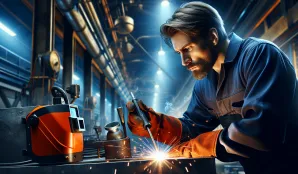
An inspector in blacksmithing is responsible for checking and ensuring the quality of blacksmithing products before they are delivered to customers or used in production. Tasks include careful inspection of weld seams, surface finish, measurements, and other technical specifications. The inspector often uses both visual assessments and measurement tools such as calipers, micrometers, and various testing instruments. The work environment is typically industry-based, involving workshops or factories where noise, heavy lifting, and high temperatures may occur. Attention to safety and precision are crucial qualities in the profession.
Read more ->
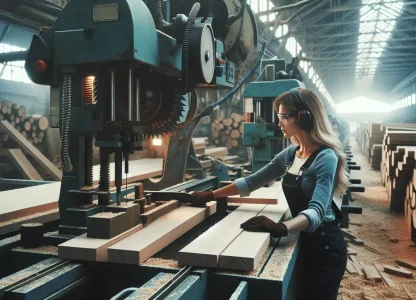
An inspector at a sawmill is responsible for inspecting and assessing the quality of sawn timber before it proceeds in the production chain. The work involves careful checking of the wood’s surface, structure, and measurements, where the inspector identifies defects such as cracks, knots, and other flaws. Results are documented and often reported digitally, while sorting and labeling are done according to current standards. The work environment is industrial, often noisy and dusty, requiring good physical fitness as well as precision and endurance. Protective equipment is used regularly, and tasks are performed both individually and in close collaboration with colleagues in production.
Read more ->-
Opinion Poll Status Novus: Unchanged Support – Social Democrats Largest
Wed, 19 Nov 2025 - 08:35 -
The National Debt – Level, Development, and Significance for Sweden
Wed, 8 Oct 2025 - 08:00
An inspector within plastic products is responsible for checking and assessing the quality of plastic components after manufacturing. Tasks include visual inspection, measurement, and testing of products to ensure they meet specific requirements and standards. The role often involves working closely with production and collaborating with machine operators to identify and correct any faults or deviations. The work environment is mainly in industrial premises where precision, patience, and a keen eye for details are crucial. The work often requires standing or moving most of the day, and shift work may be necessary depending on production needs.
Read more ->
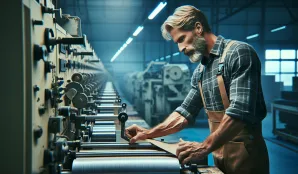
An inspector in the paper industry is responsible for checking and assessing the quality of finished paper products before they are delivered to customers or further processed. The work involves careful visual inspection and the use of measuring instruments to detect errors, defects, or deviations from specified requirements. The inspector documents observations, reports deviations, and often collaborates closely with machine operators and production technicians to ensure quality standards are maintained. The work environment is typically industrial and can be noisy, with shift work common in many factories.
Read more ->
An inspector within musical instruments works with carefully inspecting and checking the quality of finished musical instruments before they reach the market or customer. The tasks include visual inspection, precise functional checks, and measurements to ensure that the instruments meet the manufacturer's quality requirements and industry standards. The profession often involves identifying and documenting any faults, deficiencies, or deviations, and in some cases proposing or implementing corrections. The work is typically performed in a workshop environment with close collaboration with other craftsmen and production staff, where precision, patience, and a trained eye for detail are crucial to ensuring the highest possible quality of each instrument.
Read more ->
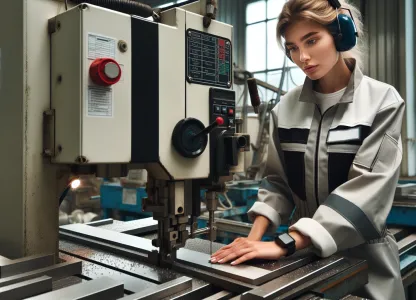
An inspector focusing on metal products is responsible for inspecting and assessing the quality of various metal components within the manufacturing industry. Tasks include careful visual inspection, measurement, and testing of details to ensure they meet specified requirements. Both manual and automated tools are often used to identify potential defects or deviations. The work environment is typically production-oriented, emphasizing safety, order, and precision. Sometimes the work can be noisy and require protective equipment, but it is also common for the workday to be divided between production and quality control in dedicated quality rooms.
Read more ->
An inspector in leather goods is responsible for the final quality control of products made from leather, such as bags, shoes, and accessories. The tasks involve carefully examining each product after the manufacturing process to ensure it meets the company's quality standards and is free from defects, scratches, or color deviations. The daily work combines manual tasks and technical tools. The work is often performed in production environments where precision and attention to detail are crucial. Collaboration with other professionals in manufacturing, such as machine operators and production planners, is common to quickly address any issues found during inspection.
Read more ->
A confectionery inspector works with quality control and review of candy production, focusing on ensuring products meet company and industry quality standards. Tasks include visual inspection of finished confectionery products, checking weight, shape, and appearance, as well as identifying any deviations or defects. It is common for inspectors to document results and report errors to production management, and to collaborate with machine operators and quality managers. The work environment often involves working on an assembly line in production facilities where it can be noisy and temperature conditions may vary. Precision, patience, and the ability to handle monotonous tasks are essential qualities for success and satisfaction in the role.
Read more ->
An inspector within chemical products is responsible for reviewing and controlling the production of chemical goods, with particular focus on quality and safety. The work involves monitoring machinery, detecting deviations in the production process, and ensuring that final products meet both internal and external requirements. The work environment is often characterized by factory or laboratory settings where precision and a systematic approach are crucial. Depending on the workplace, both day and shift work may be present, and high compliance with safety procedures and documentation is required.
Read more ->
An inspector in the rubber industry is responsible for inspecting and quality-assuring finished rubber products before they leave production. The job involves carefully examining products for defects, measuring and testing according to established guidelines, and documenting deviations. Both visual inspections and technical tools are often used to ensure that products meet both customer and company requirements. The work environment is characterized by industry rhythms, which means working on the factory floor with machines and sometimes shift work. The environment can be noisy and requires good knowledge of safety procedures.
Read more ->