Latest posts
Image that illustrates

A lifeguard works to monitor safety at swimming pools, water parks, and water facilities. Tasks include preventing accidents, intervening in emergencies, and providing first aid if needed. Lifeguards are also responsible for informing visitors about pool rules, checking water quality, and maintaining order in the area. The work environment can vary between indoor and outdoor pools, often with high noise levels and many visitors during certain periods. A high level of vigilance and quick reaction ability are essential to identify risks in time and act effectively.

Read more ->
Image that illustrates

Backoffice staff play a central role in many companies, especially within banking, finance, and insurance, but also in other industries where administration and support functions are crucial for operations. Tasks often include handling documents, recording transactions, reconciliations, reporting, and internal service. Contact with other departments is frequent, but external customer contact is usually limited. The work environment is typically office-based with fixed working hours, where accuracy and efficiency are highly prioritized qualities.

Read more ->
  • Public Opinion - Opinion Poll Status Novus: Unchanged Support – Social Democrats Largest
    Wed, 19 Nov 2025 - 08:35
  • National Debt - The National Debt – Level, Development, and Significance for Sweden
    Wed, 8 Oct 2025 - 08:00
Image that illustrates What does a Backline Technician do? – Tasks and Work Environment
What does a Backline Technician do? – Tasks and Work Environment

A Backline Technician primarily works with handling, installing, and maintaining technical equipment for live performances, concerts, theater productions, and other events. Tasks include rigging and testing instruments and amplifiers, as well as quickly resolving technical issues during ongoing performances. The work is often done in teams alongside sound engineers, artists, and stage crew, where coordination and communication are essential. The work environment can be physically demanding and involve irregular hours, evenings, weekends, and working under time pressure in large arenas as well as smaller venues.

Read more ->
Image that illustrates What does a Harvest Planning Officer do? – Tasks and work environment
What does a Harvest Planning Officer do? – Tasks and work environment

A Harvest Planning Officer primarily works with planning and coordinating forest harvests within the framework of sustainable forestry. Tasks include inventory of forest areas, preparing harvest plans, contacting landowners, and collaborating with machinery operators and contractors. The work often involves field visits in various terrains, utilizing digital tools and GIS systems to analyze and document forest stands. The work environment is varied and can switch between office work, meetings, and practical outdoor work, requiring both physical and analytical skills.

Read more ->
Image that illustrates What does a Contract Secretary in a municipality do – tasks and work environment
What does a Contract Secretary in a municipality do – tasks and work environment

A Contract Secretary in a municipality is responsible for managing, negotiating, and administering agreements between the municipality and external parties, such as companies, suppliers, and other authorities. The work often involves interpreting legal documents, ensuring compliance with legislation, and safeguarding the municipality's interests. The role also includes advising colleagues and managers on contract issues, participating in procurement processes, and sometimes representing the municipality in negotiations and disputes. The work environment is mainly office-based, with regular contact with various internal and external stakeholders, requiring high accuracy and ethical awareness.

Read more ->
Image that illustrates What does an operator in a spinning mill do? – Tasks and work environment
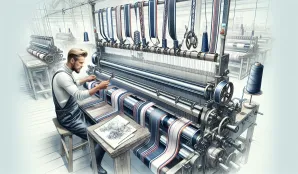
What does an operator in a spinning mill do? – Tasks and work environment

An operator in a spinning mill primarily monitors, manages, and replaces yarn spindles during various stages of industrial textile production. The role involves ensuring machinery operates efficiently and that yarn is handled correctly and safely. Tasks also include quality control, basic machine maintenance, and quickly addressing minor operational issues. The work environment is typically a factory setting with some noise and dust, where protective equipment and ergonomic tools are often used to prevent work-related injuries.

Read more ->
Image that illustrates What does an inspector in the wood fiber industry do? – Tasks and work environment
What does an inspector in the wood fiber industry do? – Tasks and work environment

An inspector in the wood fiber industry is responsible for carefully examining and controlling fiberboard and similar products before they proceed to the next production stage or are shipped to customers. The tasks include visual inspection, measurement, and testing of material quality, dimensions, and surface. The role also involves reporting any faults or deviations and some documentation. The work is usually carried out in an industrial environment where noise levels and dust can be significant, requiring both precision and resilience to monotonous work tasks.

Read more ->
Image that illustrates What does an inspector in the tobacco industry do? – Tasks and work environment
What does an inspector in the tobacco industry do? – Tasks and work environment

An inspector in the tobacco industry is responsible for checking and assessing the quality of tobacco products before they leave production. The tasks include visual inspection and using measurement instruments to ensure products meet quality standards and requirements. Work often takes place on assembly lines or in production environments with high speed and where precision is crucial. The role requires attention to detail and the ability to quickly identify deviations in raw materials and finished products. The work environment is characterized by industrial processes, where collaboration with other operators and quality managers is central to maintaining product quality.

Read more ->
Image that illustrates What does a steel inspector do? – Tasks and work environment
What does a steel inspector do? – Tasks and work environment

A steel inspector's main task is to carefully check and assess the quality of steel products before they are delivered or used in production. The job involves identifying potential defects, measuring tolerances, and ensuring that products meet the technical requirements and standards of the industry. The inspector often uses both manual and automated measuring instruments, documents observations, and reports any deviations to the production team. The work environment is industrial, often noisy, and requires strict adherence to safety procedures, as it may involve proximity to heavy machinery and high temperatures.

Read more ->