News and articles
- Home
- Articles






Latest posts

A payroll clerk is responsible for managing payroll administration at a workplace, which involves collecting, reviewing, and processing payroll data, as well as ensuring that salary payments are accurate and timely. The role often includes answering questions about salaries, benefits, and agreements, interpreting collective agreements, and applying labor law regulations. The work environment is typically office-based and characterized by precision and confidentiality, as handling sensitive personal and financial information requires a high level of responsibility. A payroll clerk often works in a team with other HR personnel and maintains ongoing contact with employees and managers within the organization.
Read more ->
A payroll assistant works with payroll administration and personnel matters within companies, authorities, or organizations. Tasks include registering and verifying payroll data, managing absences, vacations, and illnesses, as well as administering pensions and other benefits. The payroll assistant often serves as an important contact person for both employees and managers regarding questions about salary and employment conditions. The work is mainly performed in an office environment, requiring accuracy, integrity, and good service skills. Routine procedures and deadlines characterize the workday, which often involves collaboration with finance and HR departments.
Read more ->-

Opinion Landscape: Novus February 2026 – Social Democrats Still Largest
Thu, 19 Feb 2026 - 01:35 -

Policy rate remains at 1.75% – Riksbank signals stability
Thu, 29 Jan 2026 - 14:02


Payroll administrators are responsible for managing and ensuring accurate salary payments to employees within an organization. Tasks include collecting and processing payroll data, checking absences, overtime, and vacation, as well as reporting to authorities. Additionally, handling pensions, insurances, and other personnel-related matters is often included. The work is mainly office-based and requires precision, discretion, and good communication skills, as contact with colleagues and external parties is common.
Read more ->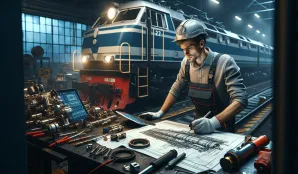
Lokreparatörer are responsible for maintaining, troubleshooting, and repairing locomotives and other railway vehicles. The work includes both preventive maintenance and urgent repairs, often involving advanced troubleshooting and replacement of mechanical, electrical, or hydraulic components. The work environment is characterized by workshops and depots, where collaboration with other technicians and contact with traffic control are everyday parts. The work may involve shift work, especially since maintenance is often carried out outside regular traffic hours to minimize service disruptions.
Read more ->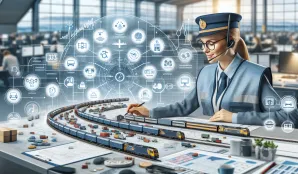
A Lokledare is responsible for leading and coordinating train drivers, vehicles, and railway logistics in real-time. Tasks include scheduling, traffic management, monitoring train flows, and ensuring that operations adhere to safety regulations and timetables. The role requires constant communication with staff and external actors, and shift work is common since railway traffic operates around the clock. The work environment is often located in a control room or command center where quick decisions must be made to handle deviations and incidents, demanding high stress tolerance and multitasking ability.
Read more ->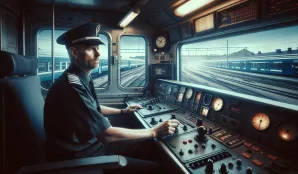
A train driver is responsible for operating trains safely and efficiently on Sweden's railways. Tasks include starting, driving, and stopping trains, monitoring technical systems, and following safety procedures. Good communication skills are essential since contact with traffic control, station staff, and colleagues is a vital part of the job. The profession involves shift work, often early mornings, late evenings, and weekends. The work environment mainly consists of spending most of the time in the driver’s cab, where focus and concentration are crucial to handle unexpected situations and ensure passenger safety.
Read more ->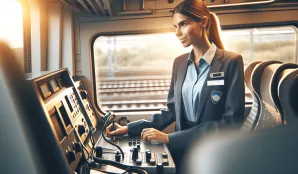
A Lokbiträde works closely with the train driver and is an important part of the train crew. Tasks include assisting with coupling and uncoupling wagons, performing safety checks before and during travel. Lokbiträden are often responsible for monitoring the train’s technical systems, communicating with traffic control, and ensuring safety regulations are followed. The work environment can vary, involving outdoor work in different weather conditions and indoor work inside locomotives or wagons. The profession requires attention to detail, teamwork, and a high safety awareness.
Read more ->
A Lokalvårdsledare is responsible for planning, leading, and quality-assuring work within cleaning services at locations such as schools, hospitals, offices, and other large properties. Tasks include staff management, scheduling, onboarding new employees, and monitoring cleaning quality. Often, the Lokalvårdsledare acts as a link between the cleaning staff and the client or employer, involving both administrative and practical duties. The work environment can vary from an office setting to more physically demanding environments where the leader is present on-site and sometimes participates in daily tasks.
Read more ->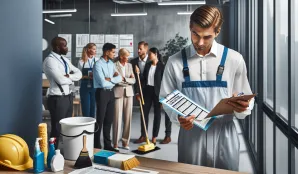
A cleaning supervisor is responsible for leading, planning, and quality-assuring work within cleaning services at locations such as schools, hospitals, offices, or other public environments. Tasks include coordinating cleaning staff, establishing work schedules, monitoring cleaning results, and ensuring compliance with health, safety, and hygiene standards. The role also involves handling procurement of supplies, budget follow-up, and sometimes direct contact with clients or clients. The work environment is often varied, combining administrative tasks at an office with on-site inspections and supervision.
Read more ->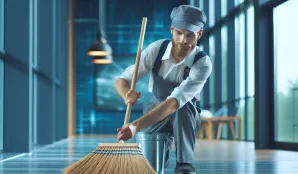
A cleaner is responsible for cleaning and maintaining various types of premises, such as offices, schools, hospitals, and public environments. Tasks include vacuuming, floor care, window cleaning, trash disposal, and disinfecting surfaces. Handling cleaning machines and chemicals is often involved, requiring precision and knowledge of safety regulations. The work environment can range from quiet office settings to more demanding environments with higher physical workload, especially during major cleaning jobs or in healthcare settings.
Read more ->