News and articles
- Home
- Articles






Latest posts
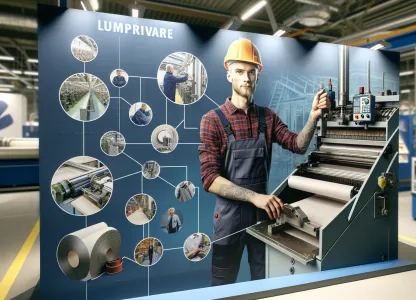
A Lumprivare mainly works within the textile, leather, and hide industries, responsible for monitoring, controlling, and maintaining machines used for processing various materials. Tasks may include starting and stopping machines, inspecting the quality of finished materials, making simple adjustments, and troubleshooting technical problems. The work often takes place in production facilities where noise levels and pace can be high, and where precision and safety are crucial. The job may require independence and the ability to collaborate with colleagues in the production chain.
Read more ->
An aviation inspector is responsible for monitoring and controlling safety within civil aviation. Tasks include reviewing airline procedures, inspecting airports, supervising technical maintenance, and assessing the competence of pilots and cabin crew. The work involves interpreting and applying national and international regulations, issuing permits, and reporting deviations. Aviation inspectors mainly work for government agencies, often in an environment combining office work with field inspections, which can involve travel and irregular working hours.
Read more ->-

Opinion Landscape: Novus February 2026 – Social Democrats Still Largest
Thu, 19 Feb 2026 - 01:35 -

Policy rate remains at 1.75% – Riksbank signals stability
Thu, 29 Jan 2026 - 14:02


An Aeronautical Engineer works to ensure that aircraft and other aerospace vehicles are safe, efficient, and compliant with national and international regulations. Typical tasks include inspection and maintenance of aeronautical systems, review of safety procedures, development of technical improvements, and investigation of incidents and deviations. The work often involves close collaboration with authorities, airlines, and airports. The work environment can vary between office settings, workshops, and sometimes on airfields, requiring both technical skills and precision in documentation and communication.
Read more ->
LSS caseworkers are responsible for investigating, assessing, and making decisions about support measures under the Act concerning Support and Service for Persons with Certain Functional Impairments (LSS). Their tasks include meeting with individuals with disabilities, their relatives, and collaborating with other professionals to design individualized support plans. The caseworker gathers information, documents, and makes decisions in accordance with applicable legislation. The work is often in municipal settings, and the work environment is characterized by office work with elements of home visits and meetings. The pace can be fast, as case handling requires accuracy, empathy, and good prioritization skills.
Read more ->
A Lottery Ticket Seller primarily works with selling tickets, either in stores, at events, or via mobile sales points. Tasks include sales, handling payments, verifying identification for age restrictions, and informing customers about chances of winning and rules. The profession requires friendly and service-oriented customer interactions. The work environment can vary from indoor settings such as shops and kiosks to outdoor work at markets or events. Working hours are often irregular and may include evenings and weekends, depending on where and when tickets are sold.
Read more ->
A Lotskamrer works with financial administration and auditing within lighthouse operations, which involves responsibility for bookkeeping, budget monitoring, and reporting of financial flows related to maritime authorities and lighthouse stations. The role often includes handling invoices, verifying income and expenses, and coordinating financial processes between different units. The work environment is mainly office-based and characterized by precision, collaboration, and contact with both internal and external stakeholders. A structured approach and the ability to handle multiple tasks during periods of high workload are required.
Read more ->
A traffic pilot's main task is to guide and direct vehicles, often in connection with transports requiring special safety measures or when road sections are difficult to access. The job involves driving ahead of or behind a vehicle or convoy to ensure a safe and smooth passage through traffic environments, construction sites, or areas with special restrictions. Pilots often work closely with other professionals in transport and construction, and the environment is characterized by high safety requirements and variable working hours. The work is mostly outdoors and often involves long periods behind the wheel, sometimes in challenging weather conditions or under time pressure.
Read more ->
A payroll clerk is responsible for managing and administering salaries within companies and organizations. Tasks include registering personnel data, checking absences, calculating vacation pay, overtime, and other allowances. It also involves ensuring that salary payments are correct and timely, and complying with current laws and agreements. Payroll clerks often work in teams within finance or HR departments and use advanced payroll systems and digital tools to streamline their work. The work environment is typically office-based with clear deadlines, requiring accuracy and integrity.
Read more ->
Payroll engineers work to ensure that payroll management within companies and organizations is accurate, efficient, and compliant with current laws and collective agreements. Their tasks often include analyzing and developing payroll processes, implementing new payroll systems, and advising managers and employees on issues related to salary, compensation, and pensions. Payroll engineers collaborate closely with HR and finance departments, with their daily work characterized by both independent analysis and ongoing contact with other parts of the organization. The work environment is typically office-based, with elements of digital meetings and system-based work, requiring high precision and confidentiality.
Read more ->
Payroll administrators are responsible for ensuring that salary payments are accurate and made on time to employees within an organization. Tasks include salary calculation, handling absences, vacations, benefits, and taxes, as well as reporting to authorities. The role also involves interpreting collective agreements and employment law, answering employee questions, and managing payroll systems. The work is primarily performed in an office, often in close collaboration with HR and finance departments, and requires high precision and integrity.
Read more ->