News and articles
- Home
- Articles






Latest posts
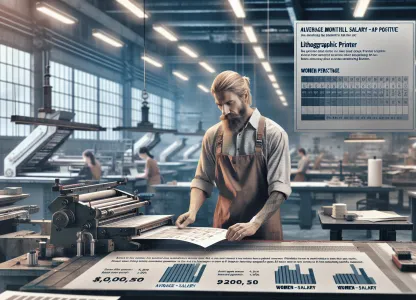
A light printer works with advanced printing technology where light is used to produce images, texts, and patterns on various materials. The role involves preparing and monitoring printing processes, adjusting machines, checking print quality, and sometimes performing basic maintenance. The work environment is often production-oriented with both manual and automated tasks, where precision and technical knowledge are crucial. Light printers may work in small print shops or larger production facilities and often collaborate with graphic designers and technicians.
Read more ->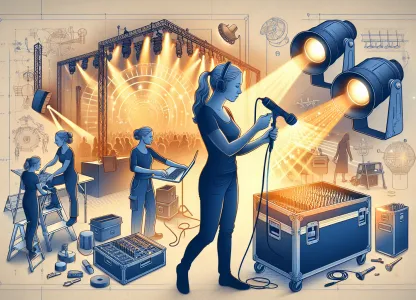
Lighting technicians work on planning, installing, and controlling lighting for concerts, theater performances, TV productions, and other events. Tasks include rigging and programming advanced lighting consoles, as well as collaborating closely with directors, set designers, and sound technicians to create the desired atmosphere on stage. The work often takes place in varied environments – from large stages and arenas to smaller cultural centers and outdoor events – and involves both day and evening shifts, sometimes including weekends. Physical ability and safety awareness are central to the work environment, as it often involves working at heights and heavy lifting under time pressure.
Read more ->-

Opinion Landscape: Novus February 2026 – Social Democrats Still Largest
Thu, 19 Feb 2026 - 01:35 -

Policy rate remains at 1.75% – Riksbank signals stability
Thu, 29 Jan 2026 - 14:02

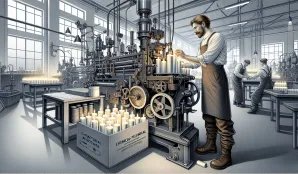
A candlemaker produces candles using various methods, often in an industrial setting with the help of machines for chemical-technical products. Tasks include melting wax or paraffin mixtures, adding colors and fragrances, and monitoring automated processes to shape and cool the candles. The work requires precision and an eye for quality, especially when inspecting finished products. The work environment is usually production facilities with mechanical aids, where safety procedures and good hygiene are important parts of daily routines.
Read more ->
A lighting technician is responsible for designing and managing lighting for stage productions, concerts, film and TV recordings, and other events where lighting plays a crucial role in mood and visual expression. Tasks include both artistic design of lighting and practical work with installing, programming, and controlling lighting equipment. Daily work often involves close collaboration with directors, set designers, technicians, and other creative roles. The work environment can vary greatly – from theaters and TV studios to outdoor stages and tours – with work often during inconvenient hours, including evenings and weekends. Safety procedures and physical stamina are important, as the work frequently involves working at heights and handling heavy equipment.
Read more ->
A ljuskopist primarily works with producing photographic copies and editing images in various formats, often in professional environments requiring high precision and accuracy. Tasks include handling advanced imaging equipment, adjusting exposure, and post-processing photographic material. The environment is characterized by technical work, often in darkrooms or specially equipped studios, where light-sensitive materials are handled with great care to ensure image quality. Collaboration with photographers and other creative professionals is common, and workload can vary depending on project scope and deadlines.
Read more ->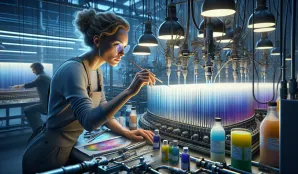
A Ljusformare works on designing and controlling lighting setups for photographic, cinematic, or stage productions. The profession involves creating visual expressions by selecting and adjusting light sources, using filters and reflective materials, and collaborating closely with photographers, directors, or set designers. The work can be performed both in studio and on location, often under time pressure and sometimes during inconvenient hours. The work environment requires both technical understanding and aesthetic sensibility, as the Ljusformare is responsible for ensuring the lighting supports the creative vision of the production.
Read more ->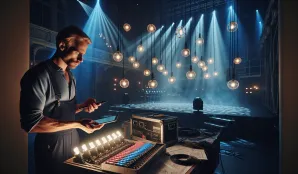
Lighting designers work on creating and planning lighting setups for various environments and events, such as theater, concerts, TV productions, exhibitions, and public spaces. Tasks include analyzing the local needs, creating lighting plans, selecting technical equipment, and coordinating lighting with other creative disciplines like scenography and sound. The lighting designer uses both technical and aesthetic knowledge to enhance atmosphere, function, and experience. The work environment varies and may include office work, stage work, as well as participation in installations and rehearsals, often under time pressure and with irregular hours.
Read more ->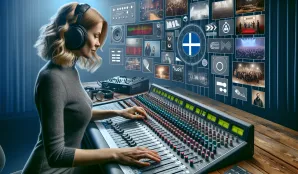
An Audio Technician is responsible for planning, installing, and commissioning audio equipment at concerts, theater performances, TV productions, and other events where sound quality is crucial. The work includes live sound mixing, troubleshooting, maintaining technical equipment, and collaborating closely with artists, producers, and other technicians. The work environment varies between sound studios, stages, arenas, and mobile workplaces, often with irregular hours, evening and weekend work. Stressful situations can arise during quick scene changes or technical issues during ongoing productions.
Read more ->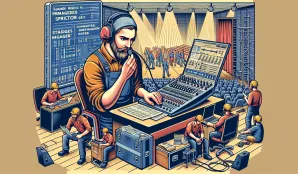
A Ljudradioinspicient is responsible for coordinating and monitoring technical and practical aspects of radio productions. The role involves ensuring broadcasts and recordings run smoothly according to plan, that the right equipment is on site and functioning, and coordinating between technicians, producers, and presenters. The work environment is often studios or recording locations, where the pace can be high and flexibility is required to handle quick changes. The Ljudradioinspicient also needs a good understanding of both technology and the creative processes of production to support the team effectively.
Read more ->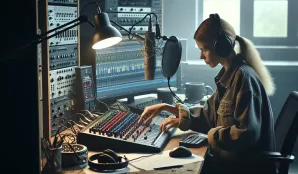
A sound editor is responsible for creating, processing, and customizing sound environments in film, TV, theater, games, and other media. The work includes recording and editing dialogue, sound effects, and background sounds, as well as advanced sound design and mixing. The sound editor often collaborates closely with directors, producers, and other technicians to create the right mood and atmosphere in a production. The work environment varies between studio settings, live productions, and field recordings, requiring both technical precision and great creativity. The profession often involves shift work and sometimes inconvenient hours, especially during live broadcasts and larger productions.
Read more ->