News and articles
- Home
- Articles






Latest posts
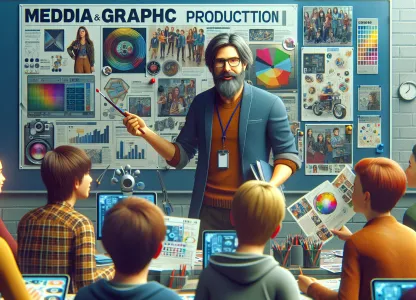
A teacher in media and graphic production is responsible for educating students in subjects related to digital creation, graphic design, printing technology, and media production. Tasks include planning and delivering lessons, supervising practical projects, and assessing students' work in areas such as digital image editing, layout, typography, and production for both print and digital media. The work often takes place in well-equipped computer labs or studios, requiring good technical understanding and the ability to stay updated on the latest digital tools and methods. Collaboration with industry and other teachers is common, as well as supervising students during internships.
Read more ->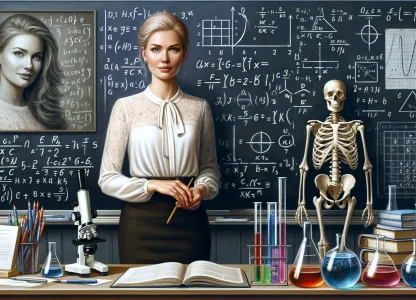
A teacher in mathematics and science at the high school level is responsible for planning, implementing, and evaluating teaching in subjects such as mathematics, physics, chemistry, and biology for upper secondary school students. Tasks include creating pedagogical lesson plans, grading exams and assignments, and supporting students' development and knowledge acquisition. The work also involves mentorship, where the teacher follows up on students' academic results and acts as a contact person between school and home. The work environment is often varied and social, with close collaboration with colleagues and regular contact with students and guardians. In addition to teaching, participation in conferences, professional development, and school improvement work is required.
Read more ->-

Opinion Landscape: Novus February 2026 – Social Democrats Still Largest
Thu, 19 Feb 2026 - 01:35 -

Policy rate remains at 1.75% – Riksbank signals stability
Thu, 29 Jan 2026 - 14:02

A painting technology teacher educates high school students or adult learners in the painting trade, focusing on both theory and practical skills. This involves planning and conducting lessons on color, materials, tools, and work methods used in construction painting. Tasks also include supervising in workshop environments, assessing students' practical skills, and preparing them for professional life by conveying industry standards and workplace safety regulations. The work environment varies between classrooms, workshops, and sometimes on-site at workplaces in collaboration with industry, requiring flexibility and good communication.
Read more ->
Teachers in sound and music are responsible for educating and inspiring students in upper secondary school in subjects such as music production, sound engineering, music theory, and ensemble. Tasks vary from planning and conducting lessons, supervising practical projects, assessing student performance, and creating stimulating learning environments. Teaching often takes place in specially equipped music or sound studios, making the work environment both creative and technically advanced. Contact with students is central, as is collaboration with colleagues in other artistic and technical subjects.
Read more ->
A teacher within the Food Program instructs high school students in subjects related to food production, nutrition, hygiene, and food processing. Responsibilities include planning and delivering lessons, supervising practical activities in kitchens or food labs, and assessing students' performance. Collaboration with industry companies often takes place to give students insight into professional life and opportunities for internships. The work environment features a mix of classroom, kitchen, and sometimes field visits. High demands are placed on pedagogical skills, subject knowledge, and the ability to create a safe and fostering learning environment.
Read more ->
A teacher in agriculture, forestry, and horticulture educates students in vocational subjects focused on the green industries. Daily work involves planning and delivering lessons, supervising practical activities, and assessing student performance. The profession often requires close collaboration with students, colleagues, and industry, as internships and cooperation with employers are central. The work environment is diverse and can include classrooms, workshops, cultivation sites, and field visits in forests and farms. Flexibility and adaptability are essential, as teaching often takes place in both theoretical and practical settings.
Read more ->
A teacher in meat and charcuterie is responsible for educating students in high school vocational programs, adult education, or vocational colleges in areas such as slaughtering, butchering, charcuterie production, and food hygiene. The duties include both theoretical and practical teaching of meat knowledge, machinery handling, work environment, and safety, as well as supervising students during their internships. The environment often involves close collaboration with the industry and a clear focus on preparing students for work in slaughterhouses, charcuterie companies, and food stores. Many lessons take place in specially equipped kitchens or workshops where practical skills are emphasized.
Read more ->
Teachers in installation are responsible for educating students in vocational programs, primarily within the electrical and installation sectors. Their tasks include planning and conducting both practical and theoretical lessons, teaching installation techniques, safety, regulations, and industry standards. The teacher acts as a supervisor and mentor, guiding students through practical exercises and assessing their knowledge. The work environment usually combines classrooms, workshops, and sometimes on-site internships, requiring flexibility and safety awareness.
Read more ->
A teacher within the industrial program is responsible for educating high school students in vocational subjects related to industry, technology, and production. The tasks include both theoretical and practical teaching where students develop knowledge in areas such as machine technology, production technology, and maintenance. The teacher plans and conducts lessons, supervises students during practical tasks, and often collaborates with local companies to ensure relevant internships. The work environment can vary between classrooms, workshops, and industrial facilities, requiring flexibility and strong pedagogical skills to communicate safety routines and technical knowledge effectively.
Read more ->
A teacher in physical education, gymnastics, and health at the high school level is responsible for leading and inspiring young people in various forms of physical activity, health education, and lifestyle issues. Tasks include teaching both practical and theoretical components, planning lessons, assessing student performance, and promoting good health and movement habits. The work often takes place in gymnasiums, sports facilities, and sometimes outdoor environments, requiring flexibility and the ability to adapt teaching to different groups' needs. A central part of the profession is also creating safe and inclusive environments where all students can develop based on their conditions.
Read more ->