News and articles
- Home
- Articles






Latest posts
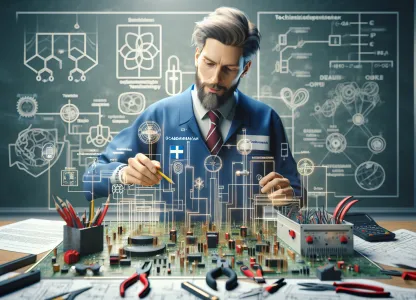
A teacher in electrical and telecommunication technology is responsible for educating students in both practical and theoretical aspects of electrical and telecommunication subjects. This includes planning and conducting lessons, supervising students in workshops and labs, and assessing their knowledge and skills. The profession also involves staying updated on technological developments, safety regulations, and industry standards. The work environment is often varied, including classrooms, laboratories, and vocational workshops, requiring both pedagogical skill and technical competence.
Read more ->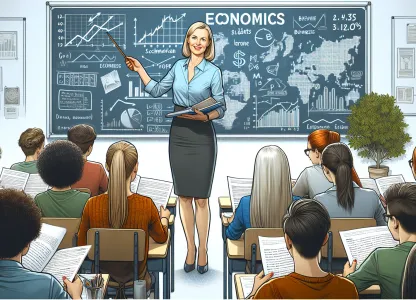
A teacher in economic subjects primarily works in high schools, teaching subjects such as business economics, entrepreneurship, accounting, and personal finance. Tasks include planning, delivering, and evaluating lessons, mentoring students, as well as grading and assessment. In addition to teaching, responsibilities often include mentorship, developing educational materials, and participating in school teams. The work environment is characterized by social interactions, collaboration with colleagues, and demands for pedagogical flexibility, especially when adapting teaching to different student groups and digital tools.
Read more ->-

Opinion Landscape: Novus February 2026 – Social Democrats Still Largest
Thu, 19 Feb 2026 - 01:35 -

Policy rate remains at 1.75% – Riksbank signals stability
Thu, 29 Jan 2026 - 14:02

A teacher in ship technology instructs students in vocational subjects related to ship technology and maritime operations. Tasks include planning and delivering theoretical and practical lessons, supervising students in workshop settings, and assessing knowledge and skills. The profession requires both industry experience in maritime fields and pedagogical competence, as teaching often combines theory with hands-on activities. The work environment varies between classrooms, workshops, and sometimes onboard ships, demanding flexibility, safety awareness, and the ability to adapt teaching to different student groups.
Read more ->
Teachers in operation and energy technology are responsible for educating students in areas such as energy production, distribution, property operation, and maintenance of technical systems. The profession involves planning, implementing, and following up on teaching in both theoretical and practical components, often with a focus on preparing students for working life or further studies. The work environment is varied and can include classrooms, workshops, and laboratories, where safety routines and modern technology play a central role. Collaboration with industry companies and continuous updating of knowledge are common to ensure that the teaching reflects current demands within the energy sector.
Read more ->
A computer science teacher working within study circles and courses is responsible for planning, implementing, and follow-up of teaching in computer technology and digital skills. Common tasks include creating course materials, adapting teaching to participants' levels, and introducing basic and advanced digital tools. Instruction often occurs in small groups and may include practical exercises and theoretical components. The work environment varies between study associations, adult education, and private training providers, where teachers often switch between classroom settings and remote teaching via digital platforms. Flexibility and the ability to motivate participants with different backgrounds are central to the professional daily life.
Read more ->
A teacher in computer science at high school is responsible for instructing students in areas such as programming, database management, networking, digital skills, and IT security. The role involves planning and delivering lessons, supervising projects, and assessing and grading student performance. In addition to teaching, the job often includes mentoring, development discussions, and collaboration with colleagues to develop the school's digital profile. The work environment is typically classroom- and lab-based, where technical equipment and digital tools are used daily. The balance between independent work and collaboration is clear, and workload can vary depending on the schedule and term planning.
Read more ->
A teacher in computer science at the primary school is responsible for introducing students to digital tools, programming, and basic IT skills. The teaching includes both practical and theoretical elements, where students learn about digital security, information searching, and how computers work. Lessons are often planned in collaboration with other subject teachers to integrate digital competence across the curriculum. The work environment is typically classroom-based but can also involve working in computer labs or with mobile devices. A good pedagogical ability, technical competence, and the ability to adapt teaching to different age groups and skill levels are required.
Read more ->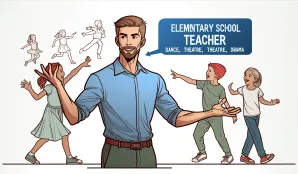
A teacher specializing in dance, theater, and drama in primary school works to inspire and develop students' creativity through performing arts and movement. Tasks include planning and delivering lessons in aesthetic subjects, leading projects and performances, and adapting pedagogy to different age groups and individual needs. The role often involves collaboration with colleagues in other subjects, as well as coaching students for performances or assessing their achievements based on artistic and pedagogical criteria. The work environment is characterized by a dynamic and creative atmosphere but can also present challenges related to resources and scheduling.
Read more ->
A teacher in dance, theater, and drama within study circles and courses is responsible for leading and inspiring participants in creative and artistic expressions. Tasks include planning lessons, guiding groups and individual participants, and creating a safe and stimulating environment where participants can develop their skills. Teaching often takes place in smaller groups and can range from introductory courses to more advanced levels within dance, theater, or drama. The work is pedagogical and creative, with the ability to adapt teaching to participants' needs being central. The work environment varies between different educational organizations, cultural centers, and training providers, but is often characterized by flexibility and close contact with participants.
Read more ->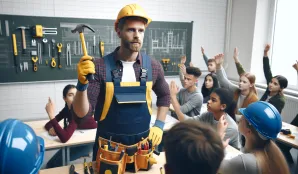
A teacher in construction and civil engineering is responsible for educating high school students and adult learners in vocational subjects related to the construction industry. The work includes both theoretical instruction and practical activities, where students learn about construction techniques, safety regulations, material science, and work methods. Lessons often alternate between classrooms, workshops, and sometimes construction sites. Teachers in this field collaborate closely with colleagues, school management, and sometimes with companies to ensure that the training meets industry requirements and changes. The work environment is varied and can involve both physical and pedagogical challenges, with safety and adaptation to different student needs being central.
Read more ->