News and articles
- Home
- Articles






Latest posts
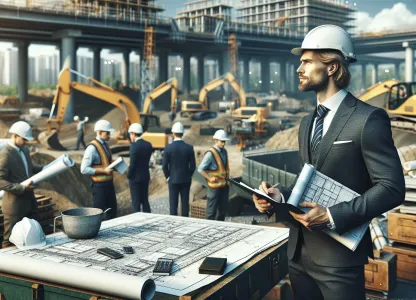
A planning engineer in construction and civil engineering is responsible for planning, coordinating, and following up on construction projects from idea to completion. Tasks include creating schedules, estimating resources, analyzing risks, and ensuring that projects proceed according to set goals and budgets. The role requires collaboration with project managers, architects, contractors, and authorities, and it is common to work both in offices and on construction sites. The work environment is characterized by a fast pace, demands for accuracy, and the ability to handle complex project structures.
Read more ->
A planning engineer in telecommunications is responsible for planning, developing, and optimizing technical networks and communication systems. Tasks include needs analysis, network solution design, coordination of technical resources, and project follow-up. The work is often performed in close collaboration with technical specialists and project managers, where resource and schedule coordination are central. The environment is typically office-based but may also include site visits to customers or facilities to inspect and follow up on installations. Technological developments in telecommunications mean that tasks are continuously evolving, requiring the engineer to stay updated on new standards and solutions.
Read more ->-

Opinion Landscape: Novus February 2026 – Social Democrats Still Largest
Thu, 19 Feb 2026 - 01:35 -

Policy rate remains at 1.75% – Riksbank signals stability
Thu, 29 Jan 2026 - 14:02


A planning engineer in electronics is responsible for planning, coordinating, and optimizing projects within the electronics field. Tasks often include analyzing systems and processes, developing schedules, managing resources, and ensuring projects stay within budget and deadlines. The role also involves working closely with technicians, engineers, and other specialists to solve technical challenges and improve workflows. The work environment is usually office-based but may also involve visits to manufacturing facilities or construction sites, depending on the nature of the projects. Computer-aided project planning, meticulous documentation, and communication with various stakeholders are central parts of daily work.
Read more ->
A planning engineer in electronics is responsible for developing, coordinating, and optimizing technical processes and projects within the electronics field. The tasks often include analyzing needs, developing technical solutions, leading projects, and ensuring that timelines, budgets, and quality goals are met. The role involves close collaboration with other engineers, project managers, and sometimes clients, focusing on both technical development and resource planning. The work environment is typically office-based but may include work in laboratories or at production facilities, depending on the project and company operations.
Read more ->
A planning manager within schools is responsible for coordinating and developing the school's operations from a strategic and operational perspective. Tasks include resource planning, staffing, scheduling, and ensuring that the school's goals and quality standards are met. The role often involves close collaboration with school management, teachers, and external partners to optimize the educational environment and support student development. The work environment is primarily office-based with regular meetings and a balance between administrative and pedagogical tasks.
Read more ->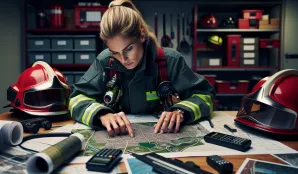
A Planning Fire Chief is primarily responsible for organizing, coordinating, and developing the fire service's preparedness and incident planning. Tasks include developing response plans, risk assessments, staff training, and drill activities. The role often involves close collaboration with other authorities, municipal agencies, and industry to ensure effective fire safety measures. The work is largely office-based but can also include inspections, site visits, and participation in major incidents. The work environment is characterized by high responsibility, demands for structure, and the ability to handle unforeseen situations.
Read more ->
A Planner in public administration works with analyzing, developing, and coordinating plans within municipalities, regions, or government agencies. Tasks often include long-term urban planning, investigations, policy development, and project follow-up. Common areas are city development, environment, infrastructure, and social issues where planning efforts are needed for efficient operations and legal compliance. The work is often project-based and involves close contact with politicians, officials, and sometimes citizens. The work environment is mainly office-based, characterized by independent analysis and teamwork.
Read more ->
An airline planner is responsible for coordinating and optimizing flight routes, scheduling crews, and allocating resources to ensure efficient operations. Tasks include analyzing traffic flows, handling unforeseen events, and communicating with various departments to minimize delays and costs. The work environment is often office-based with a high tempo and requires the ability to handle stress and make quick decisions in a dynamic industry.
Read more ->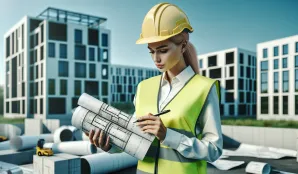
A construction sector planner is responsible for coordinating and planning projects within the construction and civil engineering industry. Tasks often include developing schedules, resource allocation, budget monitoring, and ensuring projects comply with regulations and quality standards. The planner works closely with engineers, architects, and contractors to optimize the construction process. The work environment is usually office-based with site visits to monitor project progress and resolve practical issues.
Read more ->
A plan architect works on designing, analyzing, and developing physical environments and societal structures, often within municipalities, consulting firms, or government agencies. Tasks include land use planning, urban development, comprehensive and detailed plans, and sustainability assessments. The profession requires collaboration with officials, politicians, and the public, involving regular meetings, consultations, and investigations. The work environment is typically office-based, with site visits and digital work in GIS and CAD programs.
Read more ->