News and articles
- Home
- Articles






Latest posts

Nurserymen mainly work with planting trees, shrubs, and other plants in forests, park environments, or large cultivation areas. Tasks include preparing the ground, handling plant material, planting, and sometimes caring for the newly planted plants afterwards. The work is mostly outdoors and often in varying weather conditions, requiring good physical fitness and the ability to work independently and in teams. The work environment can be physically demanding and often involves working in remote or hard-to-access locations, especially during peak planting seasons in spring and autumn.
Read more ->
Gardeners in horticulture primarily work with planting, caring for, and maintaining plants, shrubs, and trees in commercial gardens, greenhouses, and cultivation facilities. Tasks include everything from soil preparation and sowing to watering, fertilizing, and pest control. The profession also involves weeding, pruning, and sometimes harvesting crops or flowers. The work environment is often outdoors or in greenhouse settings, which means exposure to weather changes, physical labor, and sometimes heavy lifting. The job requires precision, endurance, and a good understanding of plant needs throughout different seasons.
Read more ->-

Opinion Landscape: Novus February 2026 – Social Democrats Still Largest
Thu, 19 Feb 2026 - 01:35 -

Policy rate remains at 1.75% – Riksbank signals stability
Thu, 29 Jan 2026 - 14:02


A forest planter in forestry is primarily responsible for planting new trees in forest areas after logging or forest fires. Tasks include preparing the ground, carefully placing seedlings, and checking planting quality. The work is often performed outdoors under varying weather conditions and requires good physical condition and the ability to work in a natural environment. The work environment is characterized by outdoor work in forest settings, with elements of independent work and sometimes teamwork.
Read more ->
A glass planer specializing in glass primarily works on processing and grinding glass surfaces to achieve desired shapes and finishes. Tasks include precision grinding of glass panes, mirrors, and other glass products to ensure accurate measurements and a high-quality surface. The work requires accuracy and technical skill to avoid damages and defects. The environment is often workshop-based with access to specialized grinding equipment and protective gear to handle glass dust and shards safely.
Read more ->
An urban planning engineer works on developing and shaping the cities, communities, and infrastructure of the future. The profession involves analyzing, planning, and coordinating land use, traffic solutions, and building development in both larger and smaller municipalities. Tasks range from creating detailed development plans and comprehensive plans to participating in consultations with authorities, residents, and companies. The work is often project-based and requires close collaboration with colleagues in architecture, construction technology, and environmental fields. The work environment is mainly office-based but also includes site visits and meetings with external stakeholders.
Read more ->
A planing machine operator in the wood industry mainly works with processing wood details using planing machines. Tasks include setting up and monitoring machines, checking material quality, and performing basic maintenance and adjustments. The work often takes place in an industrial environment where safety regulations and precision are central. Handling larger wood pieces and working in noisy environments are common, requiring both physical endurance and good safety awareness.
Read more ->
A planing mill operator primarily works with processing metallic materials using advanced milling machines to create flat surfaces, grooves, and other details in components. Responsibilities include setting up and monitoring machines, reading technical drawings, and performing quality control on finished products. The work often takes place in industrial workshops or production facilities, utilizing both manual and computer-controlled machines. The work environment is characterized by noise, heavy lifting, and precision requirements, with safety being a central aspect of daily work.
Read more ->
A planning technician in textiles and wood works on optimizing and managing production flows in industrial environments. Tasks include planning material flows, scheduling production, allocating resources, and ensuring that quality and delivery targets are met. The role requires close collaboration with production teams, purchasing, and sometimes suppliers and customers. The work environment often combines office work with presence in production facilities, where technical tools and digital systems are frequently used to monitor processes and analyze data.
Read more ->
A planning technician in telecommunications is responsible for planning, developing, and optimizing network infrastructure and communication systems. Tasks include technical drawing creation, coordination between different project groups, and analysis of technical solutions to ensure efficient operation. The profession often requires collaboration with both internal and external stakeholders, as well as a good understanding of technical standards and regulations. The work environment is usually office-based but can also involve fieldwork during installation or troubleshooting.
Read more ->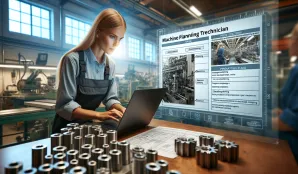
A planning technician specializing in mechanical engineering primarily is responsible for planning, coordinating, and optimizing machine-related processes within industry and technical projects. Tasks include analyzing production flows, developing schedules and resource plans, and ensuring that machinery is used efficiently and in accordance with safety regulations. The work environment is often office-based but may also include visits to production facilities and construction sites to follow up and adjust planning in practice.
Read more ->