News and articles
- Home
- Articles






Latest posts

A planning technician specializing in chemical engineering primarily works with organizing and optimizing production processes within the chemical industry and related fields. Tasks include resource planning, scheduling, and material flow management to ensure efficient production and high quality. The work often involves collaboration with engineers, technicians, and operators to solve complex problems and improve processes. The work environment is usually office-based but can also include visits to production sites where safety protocols are strictly followed.
Read more ->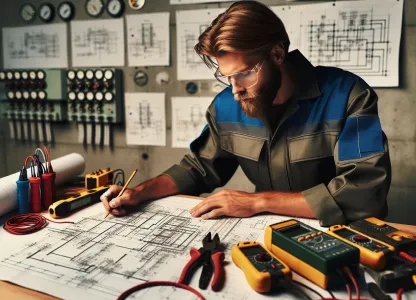
A planning technician specializing in electrical power is responsible for planning, designing, and coordinating electrical systems within areas such as energy supply and electricity distribution. Tasks include analyzing technical needs, creating drawings and specifications, and ensuring installations comply with current regulations and standards. The work is often carried out in close collaboration with engineers, contractors, and other technical specialists. The work environment is typically office-based but may also include site visits and project meetings.
Read more ->-

Opinion Landscape: Novus February 2026 – Social Democrats Still Largest
Thu, 19 Feb 2026 - 01:35 -

Policy rate remains at 1.75% – Riksbank signals stability
Thu, 29 Jan 2026 - 14:02

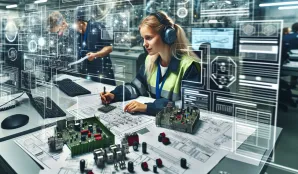
A planning technician with a focus on electronics is responsible for planning and coordinating technical processes within electronics production and development. Tasks often include scheduling production, optimizing resources, and coordinating between different departments to ensure efficiency and quality. The work environment is usually office-based but may also involve visits to production environments where technical systems are installed or maintained. Communication and problem-solving are central to the profession, as well as monitoring and analyzing production data to improve processes.
Read more ->
A planning technician in construction and civil engineering is responsible for scheduling, resource allocation, and project coordination within construction and infrastructure projects. Tasks include creating detailed schedules, monitoring project progress, and ensuring work is completed on time and within budget. Collaboration with project managers, engineers, and other professionals is central, as well as analyzing risks and identifying bottlenecks in production. The work environment varies between office settings and construction sites, with site visits and administrative tasks being common components.
Read more ->
A planning secretary within municipalities and county councils is responsible for coordinating and administering planning processes and investigative work related to organizational development. Tasks include compiling basis for decisions, analyzing statistics, writing reports, and ensuring that planning work complies with applicable regulations and guidelines. The work is mainly carried out in an office environment with close cooperation with various departments and political bodies, which requires good communication and organizational skills.
Read more ->
A planning officer is responsible for coordinating and managing planning-related tasks within an organization. Tasks often include scheduling, resource allocation, document management, and communication between departments to ensure efficient processes. The work mainly takes place in an office setting with computer-based systems, requiring good organizational skills and accuracy. Planning officers often work in teams and maintain regular contact with both internal and external stakeholders to facilitate planning.
Read more ->
A planning engineer in textiles and wood is responsible for optimizing and coordinating production processes, resources, and material flows in manufacturing industries. Tasks often include production technical planning, time studies, capacity calculations, as well as analysis and improvement of the production chain. The role also involves creating production schedules, managing demand changes, and ensuring quality and environmental standards are met. The work environment varies between office work and presence in production settings, requiring both analytical skills and practical understanding of manufacturing processes. Planning engineers often work in teams and collaborate closely with production managers, purchasers, and technical staff.
Read more ->
A planning engineer in mechanical engineering is responsible for planning, coordinating, and following up on the production and maintenance of mechanical systems. Tasks often include creating production schedules, optimizing resource utilization, and ensuring that machines and equipment operate efficiently. The role involves close collaboration with technicians, production teams, and management, where technical analysis and problem-solving are central elements. The work environment is varied and can switch between office work, production, and site visits, requiring flexibility and good communication skills.
Read more ->
A planning engineer in chemical engineering is responsible for coordinating, planning, and optimizing processes and projects within the chemical industry or facility. Tasks often include production planning, resource allocation, time estimation, and monitoring both operations and maintenance. The role typically involves close contact with production, laboratories, and management, with responsibility for ensuring projects meet deadlines and budgets. The work environment is often a mix of office work and visits to laboratories or production plants, where safety procedures and precision are central parts of daily routines.
Read more ->
A planning engineer in electrical power is responsible for planning and optimizing the expansion, operation, and maintenance of power grids. The work involves analyzing and sizing different parts of the power supply system, developing technical solutions, and collaborating with project managers and technicians in the field. The role also includes preparing schedules, budgeting, and sometimes managing permit processes. The work environment is usually office-based but may also involve site visits to facilities and construction sites. It is a profession that requires precision, structure, and the ability to handle complex technical challenges in a society-critical sector.
Read more ->