News and articles
- Home
- Articles

Latest posts
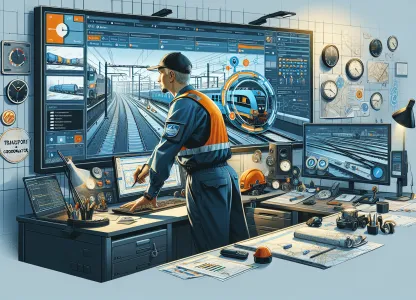
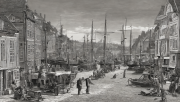
A maritime traffic controller is responsible for planning, monitoring, and directing maritime transportation within ports, inland waterways, or along coastlines. Tasks include scheduling vessel movements, communicating with crews, coordinating with other modes of transport to ensure cargo and passengers are transported safely and efficiently. The traffic controller also supervises compliance with safety regulations and manages unforeseen events such as weather changes or technical issues. The work environment is often office-based but may require round-the-clock readiness and quick decision-making under pressure.
Read more ->
A traffic instructor is responsible for educating students in both theory and practice in preparation for their driving tests. Tasks include planning and conducting driving lessons, teaching traffic rules and safety, and assessing students' progress. In addition to the pedagogical role, the job requires good communication skills and the ability to handle stressful situations. Traffic instructors often work at driving schools but can also be self-employed. The work environment varies between classrooms and vehicles, making the days both diverse and demanding.
Read more ->-
Opinion Poll: Demoskop February 2026 – Center increases, S still largest
Fri, 27 Feb 2026 - 09:35 -
Policy rate remains at 1.75% – Riksbank signals stability
Thu, 29 Jan 2026 - 14:02
A traffic coordinator is responsible for planning, monitoring, and directing transportation flows within companies and organizations. Tasks include coordinating transports, optimizing routes, managing contact with drivers, customers, and suppliers, as well as solving logistical challenges in real-time. The work often involves close collaboration with other transport managers, warehouse staff, and external partners to ensure goods and people reach their destinations on schedule and cost-effectively. The work environment is typically office-based but can be hectic and require quick decisions, especially during disruptions in traffic or supply chains.
Read more ->
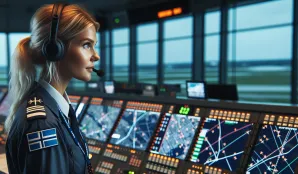
An air traffic controller is responsible for monitoring and coordinating air traffic on the ground and in the airspace around airports. Tasks include directing aircraft during takeoff and landing, managing communication between pilots and control towers, and coordinating with other agencies to ensure safe and efficient air traffic. The work is often conducted in control rooms with advanced technical tools and requires high focus on safety, accuracy, and stress tolerance. The environment is controlled but can be intense, especially at larger airports or during peak traffic periods.
Read more ->
Traffic inspectors are responsible for ensuring compliance with traffic regulations and maintaining road safety within road traffic. The work often involves inspecting vehicles, drivers, and transport documents, as well as handling reporting and investigations of suspected violations. The profession requires good knowledge of traffic legislation and often close cooperation with other authorities and actors in the transport sector. The work environment can vary between office work and fieldwork, with inspections carried out on roads, terminals, or other traffic environments. Flexibility and the ability to handle unforeseen situations are important traits, as the workday can be both planned and event-driven.
Read more ->
A Traffic Engineer works with planning, analyzing, and developing traffic systems to create safe and efficient transportation in society. Tasks often include designing road and traffic environments, traffic flow analysis, developing safety measures, and investigating public transit and sustainable transportation options. The role involves close collaboration with authorities, contractors, and other technical specialists. Traffic engineers typically work in project teams, often at municipalities, consulting firms, or government agencies, with environments varying between offices, meetings, and site visits.
Read more ->
A traffic information officer's main task is to provide current and accurate traffic condition information to travelers and the public. The work often involves handling questions about timetables, disruptions, delays, and service offerings within public transportation or at train stations and airports. Traffic information officers typically work at information desks, via phone, digital channels, or loudspeakers and are expected to handle stressful situations with high service standards. The work environment is often in public settings with a fast pace, where clear communication and good teamwork are essential.
Read more ->
A traffic supervisor in road traffic is responsible for planning, leading, and monitoring road transports and coordinating traffic to ensure that transports are efficient and safe. Tasks include following up on transports, handling deviations, coordinating resources, and maintaining ongoing contact with drivers, customers, and authorities. The work requires good organizational skills, the ability to make quick decisions, and a structured approach. Traffic supervisors often work in an office environment with computer-based support systems, but tasks can also include inspections in the field and urgent responses to traffic disruptions. The pace is often high, and the work environment demands stress tolerance and good communication skills.
Read more ->
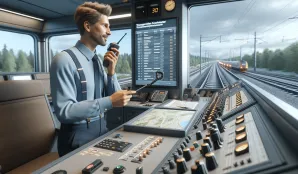
A railway traffic supervisor is responsible for leading and coordinating train traffic at yards and stations. The work includes planning train movements, assigning tasks to yard personnel, and monitoring safety procedures during shunting and switching operations. The traffic supervisor acts as a central link between train drivers, signalers, and other railway staff to ensure trains depart and arrive according to schedule. The work environment emphasizes high safety standards, outdoor work in varying weather conditions, and sometimes shift work around the clock.
Read more ->
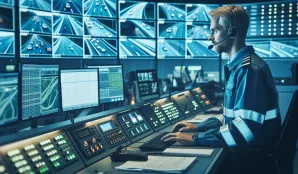
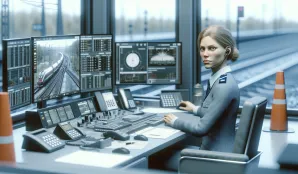
Traffic supervisors in the railway industry are responsible for directing, monitoring, and coordinating train traffic safely and efficiently. Tasks include planning and controlling train flows, handling disruptions, communicating with train drivers and other staff, and making decisions during emergencies. The role often requires shift work, including day, evening, and night shifts. The work environment is characterized by a fast pace and high responsibility, as a single mistake can have significant safety and punctuality consequences. Traffic supervisors typically work in control rooms supported by advanced technical systems.
Read more ->