Latest posts
Image that illustrates

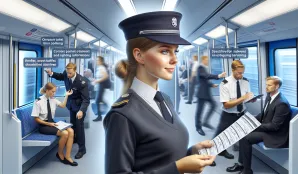
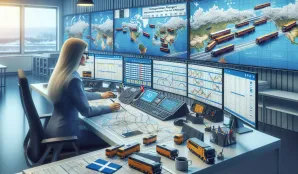
A railway traffic supervisor is responsible for leading and coordinating train traffic at yards and stations. The work includes planning train movements, assigning tasks to yard personnel, and monitoring safety procedures during shunting and switching operations. The traffic supervisor acts as a central link between train drivers, signalers, and other railway staff to ensure trains depart and arrive according to schedule. The work environment emphasizes high safety standards, outdoor work in varying weather conditions, and sometimes shift work around the clock.

Read more ->
Image that illustrates

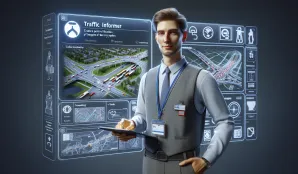
Traffic supervisors in the railway industry are responsible for directing, monitoring, and coordinating train traffic safely and efficiently. Tasks include planning and controlling train flows, handling disruptions, communicating with train drivers and other staff, and making decisions during emergencies. The role often requires shift work, including day, evening, and night shifts. The work environment is characterized by a fast pace and high responsibility, as a single mistake can have significant safety and punctuality consequences. Traffic supervisors typically work in control rooms supported by advanced technical systems.

Read more ->
Image that illustrates What does a Traffic Assistant, Transport Assistant do? – Tasks and Work Environment
What does a Traffic Assistant, Transport Assistant do? – Tasks and Work Environment

A Traffic Assistant, Transport Assistant in transport and logistics plays a central role in planning, coordinating, and monitoring the transportation of goods and people. Tasks may vary depending on the workplace but often include coordinating transports, booking and following up on deliveries, managing documentation, and communicating with drivers, customers, and other actors within the logistics chain. Often, problem-solving during delays or deviations and handling customer inquiries regarding transport status are required. The work environment is often office-based, but work in traffic control centers or on-site at terminals and transport hubs can also occur, which involves a fast pace and demands flexibility.

Read more ->
Image that illustrates What does a Traffic Assistant in aviation (ramp agent) do? – Tasks and work environment
What does a Traffic Assistant in aviation (ramp agent) do? – Tasks and work environment

Traffic assistants in aviation, often called ramp agents, play a central role in the daily logistics of the airport. Their tasks include coordinating and monitoring aircraft handling on the ground, which involves loading and unloading luggage, guiding aircraft to and from gates, and security checks of the ramp area. The profession requires a high level of accuracy and responsibility, as safety for both passengers and crew is the focus. The work is usually performed in shifts, which means irregular working hours and a work environment that can be noisy and physically demanding, especially during periods of high traffic.

Read more ->
Image that illustrates What does a traffic assistant in aviation, passenger service, do? – Tasks and work environment
What does a traffic assistant in aviation, passenger service, do? – Tasks and work environment

A traffic assistant in aviation, specializing in passenger service, primarily works at airports where service to travelers is central. Tasks include check-in of passengers and luggage, ticket handling, rebookings, assistance during delays, and handling inquiries from travelers. The profession requires good communication skills and the ability to handle stressful situations, especially during peak times and unforeseen events. The work environment is often dynamic and fast-paced, with shift work including days, evenings, and weekends, leading to significant variation in working hours.

Read more ->
Image that illustrates What does a wood fiberboard worker do? – Tasks and work environment
What does a wood fiberboard worker do? – Tasks and work environment

A wood fiberboard worker primarily works with the manufacturing and processing of wood fiberboards, used in construction and furniture industries. Tasks include monitoring and controlling machines for sawing, pressing, and surface treatment of the panels. Quality control, handling raw materials, and basic maintenance of production equipment are often part of the daily work. The work environment is usually industrial, with high noise levels and requirements for protective gear, where teamwork and precision are key to ensuring safety and product quality.

Read more ->
Image that illustrates What does a Traffic do? – Tasks and Work Environment
What does a Traffic do? – Tasks and Work Environment

The professional role of Traffic is primarily found within administrative and coordinating functions at companies, agencies, and organizations. A Traffic is responsible for planning, directing, and following up on workflows, often focusing on production, projects, or communication. Tasks can include scheduling, resource planning, task distribution, and ensuring deadlines are met. Contact with various departments and external parties is extensive, requiring good communication skills. The work environment is typically office-based and characterized by a sometimes high pace, where the ability to prioritize and handle multiple tasks simultaneously is crucial for success in the role.

Read more ->
Image that illustrates What does a tree care specialist do? – Tasks and work environment
What does a tree care specialist do? – Tasks and work environment

A tree care specialist works with planting, pruning, maintaining, and sometimes felling trees in various environments, from parks and gardens to urban areas and private properties. The job often involves working at heights, such as climbing or from cherry pickers, and requires a good understanding of tree biology and ecology. The work environment is diverse and can include solo work and teamwork, as well as varying weather conditions. Tree care specialists use specialized tools and machinery, and the work can be physically demanding with high safety and precision requirements.

Read more ->
Image that illustrates What does a wire drawer do? – Tasks and working environment
What does a wire drawer do? – Tasks and working environment

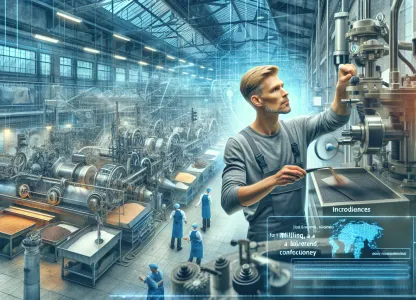
A wire drawer mainly works within the industrial sector and is responsible for monitoring and controlling machines that shape metal wire through drawing. The profession involves feeding raw materials, often steel or other metals, through rolling mills to achieve the desired diameter and shape. The work requires precision and technical knowledge, as machine settings and quality controls are crucial for the final result. The working environment is usually production-related, with elements of noise and high temperatures, but modern rolling mills often have good safety routines and technical tools to facilitate the work.

Read more ->
Image that illustrates What does a wire coiler in metal do – tasks and work environment
What does a wire coiler in metal do – tasks and work environment

A wire coiler in metal is responsible for monitoring and controlling machines that coil metal wire onto spools or reels, which is a crucial part of the metal industry. Tasks include loading machines with raw materials, adjusting settings for optimal wire coiling, and ensuring the final product meets the correct dimensions and quality standards. Quality control and basic maintenance of machines are often part of the daily work. The work environment is typically industrial and can be noisy or involve contact with heavy machinery, requiring good safety awareness.

Read more ->