News and articles
- Home
- Articles

Latest posts

A trailer producer is responsible for creating engaging and impactful trailers for film, TV, and sometimes also games or advertisements. Tasks include editing footage, selecting suitable music and sound, and working closely with directors, marketing teams, and sometimes clients to ensure the trailer conveys the right mood and message. The role requires a combination of creativity, technical skills in video editing, and the ability to work under tight deadlines. The work environment is often project-based within production companies, TV stations, or larger media organizations, where flexibility and collaboration are crucial.
Read more ->
A Trågare primarily works within the food industry, where tasks involve monitoring and handling machines that transport and process raw materials, often in mill, bakery, and confectionery industries. The profession involves continuously checking material flows, refilling machines, inspecting quality, and troubleshooting simpler operational issues. The work can be physically demanding and often takes place in environments with a high pace and strict hygiene requirements. Shifts can be scheduled during the day or night, and regular contact with other operators and technicians is common to ensure efficient production.
Read more ->-
Opinion Poll Status Novus: Unchanged Support – Social Democrats Largest
Wed, 19 Nov 2025 - 08:35
A wood gilding artist specializes in decorating and gilding wood surfaces, often using gold leaf, gilding paints, and other traditional techniques. Tasks include preparing surfaces, applying glue and gilding materials, and finishing to achieve desired gloss and durability. Wood gilders often work on restoring antique furniture, frames, and church furnishings, but also on the production of exclusive interior details. The work environment varies between personal studios, specialized workshops, and sometimes on-site at client locations for larger restoration projects. The profession requires precision, patience, and a keen eye for detail.
Read more ->
Subway traffic controllers play a central role in ensuring safety, service, and order onboard public transit trains. They mainly work at stations and in train cars, where their duties include assisting travelers with information, monitoring security, checking tickets, and handling situations that may arise during travel. The work often involves shift work, meaning evening and weekend work are common. The work environment can vary from calm periods to more intense situations, especially during service disruptions or high passenger flows. Resilience to stress and good customer service skills are essential, as interaction with people is a constant part of the job.
Read more ->
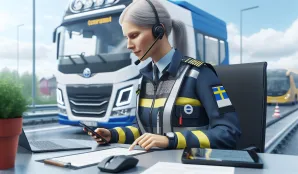
A Traffic Guard, Signal Guard primarily works with directing traffic, ensuring safe passage for vehicles and pedestrians at roadworks, accident sites, or temporary obstructions. Tasks may include using signal flags, signs, and communication equipment to give clear instructions to drivers, as well as collaborating with other professionals such as road workers, police, or contractors. The work is often outdoors, sometimes under challenging weather conditions and during inconvenient hours, which demands high attention and stress tolerance. Safety routines are central, and the work environment involves proximity to traffic and the need for quick reactions.
Read more ->
A traffic guard, parking attendant is responsible for monitoring and regulating traffic as well as checking compliance with parking rules in both urban environments and private areas. Tasks include patrolling streets, parking lots, and other areas to ensure vehicles are properly parked, issuing parking tickets for violations, and assisting with traffic directing at events, accidents, or roadworks. The job requires good communication skills with the public and the ability to handle stressful situations, as encounters with upset drivers occur. The work environment is often outdoors and involves working in all weather conditions, demanding physical endurance and flexibility in working hours.
Read more ->
A Traffic Information Officer primarily works to provide travelers with accurate and current information about trains, buses, flights, and other public transportation. They answer questions via phone, chat, or service desks, handle bookings, and assist during traffic disruptions. The work environment is often office-based but can also include work in open areas such as station halls. The pace can be high during traffic disruptions or peak travel times, and the profession requires good service skills, stress resilience, and communication ability.
Read more ->
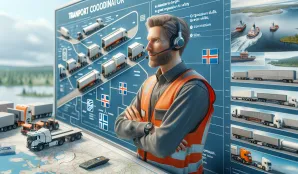
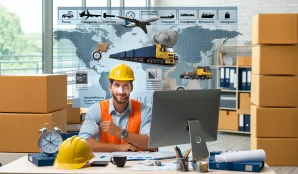
A traffic coordinator has overall responsibility for planning, directing, and optimizing transportation and traffic flows within companies such as logistics firms, public transport, or municipal operations. Tasks often include traffic management, route planning, contact with drivers and transporters, handling unforeseen events, and monitoring traffic data and deviation reports. The work is largely digital, utilizing various traffic management systems, and requires the ability to make quick decisions, especially during disruptions or accidents. The work environment is usually office-based but can sometimes include site visits or standby duty during major events.
Read more ->
A Traffic Police Officer's main task is to monitor and maintain safety on the roads. The work involves patrolling in police cars, conducting traffic checks, intervening in traffic violations, and investigating traffic accidents. A large part of the time is spent outdoors at various locations, where the work environment can be physically and mentally demanding. Traffic police often collaborate with other authorities and need to make quick decisions under pressure, especially in accidents or major traffic disruptions. The profession demands precision, initiative, and a good attitude toward the public.
Read more ->
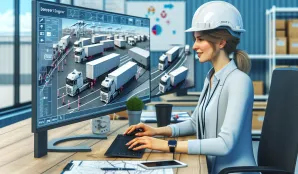
A traffic planner in a transportation company is responsible for planning, organizing, and optimizing the transportation of goods and people. Tasks include creating schedules, coordinating transports, analyzing traffic flows, and ensuring compliance with laws and regulations. The role often involves close contact with drivers, customers, and authorities, where quick decisions are required to solve logistical challenges. The work environment is mainly office-based but can also include fieldwork and visits to terminals or warehouses. Analytical skills and good communication abilities are essential for success, as collaboration between different actors is crucial for smooth transport flows.
Read more ->