News and articles
- Home
- Articles

Latest posts

A Tramp primarily works behind the scenes in performing arts, events, and media, where the role can involve everything from rigging lights and sound to managing technical equipment during performances or concerts. Tasks often include preparing stages, testing and troubleshooting technical systems, and collaborating with other technical professionals to ensure a seamless production. Work is usually under time pressure and often during irregular hours, especially for live events requiring flexibility and quick problem-solving. The work environment can vary between theaters, concert halls, outdoor arenas, and temporary event sites, demanding both physical endurance and technical skills.
Read more ->
A wood machine setter is responsible for setting up, monitoring, and maintaining machines used for wood processing in the industry. Tasks include preparing machines for production, adjusting settings to ensure high-quality finished products, and performing simple repairs and maintenance. The role also involves material checks, overseeing production flow, and preventing downtime through regular inspections. The work environment is characterized by industrial production facilities where noise, dust, and heavy lifting are common, making safety protocols and protective equipment an integral part of daily life.
Read more ->-
Opinion Poll Status Novus: Unchanged Support – Social Democrats Largest
Wed, 19 Nov 2025 - 08:35
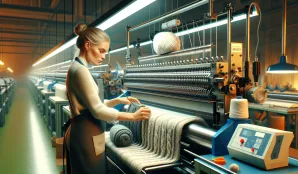
A trawl net maker primarily works with manufacturing, repairing, and maintaining trawls and fishing gear used in commercial fishing. The tasks involve meticulous handwork using various materials and techniques to create durable and efficient nets. The work often takes place in facilities near ports or at the fishing industry, and can involve both indoor and outdoor work depending on the season and location. Precision, dexterity, and the ability to work independently are central qualities in the profession, as accuracy is required to ensure the equipment maintains high quality and functionality.
Read more ->
A tractor repairer works with servicing, troubleshooting, and repairing tractors and sometimes other agricultural and construction machinery. Tasks include identifying technical problems, replacing worn or broken parts, and performing preventive maintenance to ensure machine reliability. Repairs can range from engines and gearboxes to hydraulics and electronics. The work environment is often workshop-based but can also involve field work, especially during busy seasons when downtime needs to be addressed quickly. The profession requires both technical skills and physical endurance, as work can be physically demanding and performed in environments with high noise levels, oil, or dirt.
Read more ->
A Traktormekaniker primarily works with service, troubleshooting, and repair of tractors and other heavy agricultural and construction machinery. Tasks range from routine maintenance and oil changes to advanced diagnostics of engines, hydraulics, and electronics. The work is often performed in a workshop setting but can also involve emergency calls to farms or work sites for urgent repairs. Traktormekaniker use both hand tools and advanced diagnostic instruments and often work under time pressure, especially during busy periods like spring and fall when machines are used most. The profession requires good physical condition, problem-solving ability, and a strong interest in technology.
Read more ->
A tractor driver in snow removal is responsible for keeping roads, streets, parking lots, and other surfaces free of snow and ice during the winter season. Tasks include operating tractors equipped with plows or snow blowers, sometimes supplemented with sand and salt spreaders. Work often takes place early mornings, late evenings, and nights, especially during snowfall, requiring irregular working hours and flexibility. The environment can be challenging with low temperatures, poor visibility, and sometimes stressful conditions when snow clearing must be performed quickly to ensure accessibility and safety.
Read more ->
A tractor driver in the industry primarily handles transporting materials, goods, and products within industrial areas, warehouses, and production facilities. The work involves driving and maneuvering various types of industrial vehicles and tractors, often combined with loading and unloading. The work environment is typically located in larger indoor or outdoor facilities, where safety and precision are central parts of the daily work. Working hours can vary, and shift work is common within the industry.
Read more ->
A timber industry worker in the timber products sector primarily works with processing wood products on an industrial scale. Common tasks include operating and monitoring machines for sawing, planing, drilling, and assembling wood products. The work may also involve quality control, packaging, and inventory management. The working environment is often industrial and noisy, requiring protective gear and precision to ensure safety and quality in production. Physical work is common, and collaboration and accuracy are important in daily tasks.
Read more ->
Wood industry workers in wood fiber mainly work with the production, processing, and refinement of wood-based materials such as chipboards, MDF panels, and other wood fiber products. Tasks often include machine handling, monitoring automated processes, quality control, as well as some manual handling and packaging. The environment is industrial, meaning work is performed indoors in larger factories or sawmills, sometimes with shift work and noisy surroundings. Safety routines and attention to detail are central to daily work to minimize risks and maintain high production quality.
Read more ->
A Trailer Repairer primarily works with repairing, servicing, and maintaining trailers used in the transportation and logistics industry. Tasks include troubleshooting brakes, electrical systems, and chassis, as well as welding, replacing wear parts, and customizing for different transport needs. The work is often carried out in a workshop environment but can also involve emergency calls to truck depots or roadside repairs for urgent faults. It requires both technical problem-solving skills and physical endurance, as many tasks are manual and the environment can be noisy or heavy. Safety routines are important, as is the ability to work independently but also collaborate with other mechanics and drivers.
Read more ->