News and articles
- Home
- Articles






Latest posts

An electronics engineer works on developing, designing, and improving electronic systems and components. Tasks can include everything from circuit board design and programming embedded systems to troubleshooting, testing, and quality assurance of electronic products. Typical work environments are technology-intensive companies within telecommunications, automotive, industry, or energy sectors, where projects are often team-based and require close collaboration with other engineers and specialists. The work environment is characterized by a fast pace, technological innovation, and a mix of office work and laboratory activities.
Read more ->
An engineer in construction and civil engineering is responsible for planning, leading, and supervising projects within the construction sector, such as road constructions, bridges, tunnels, and properties. Tasks include everything from design and construction to project management and quality control. The engineer often collaborates with architects, contractors, and authorities to ensure that projects meet technical, economic, and environmental requirements. The work environment varies between office work, site visits, and sometimes fieldwork, requiring flexibility and good communication skills.
Read more ->-

Opinion Landscape: Novus February 2026 – Social Democrats Still Largest
Thu, 19 Feb 2026 - 01:35 -

Policy rate remains at 1.75% – Riksbank signals stability
Thu, 29 Jan 2026 - 14:02


An in-cryser primarily works within the food industry and is responsible for freezing meat, fish, or other food products efficiently and safely. The work involves managing and monitoring large freezing facilities, controlling temperatures, and ensuring that products are frozen in accordance with current quality and hygiene standards. The in-cryser may also need to perform basic maintenance on machines and handle logistics related to inbound and outbound deliveries. The work environment is characterized by low temperatures, physical activity, and often shift work, which requires both precision and endurance.
Read more ->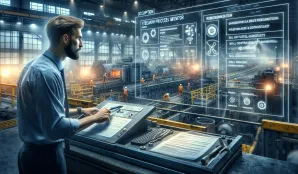
An infractor in a steel plant has a key role in the Swedish metal industry. Their tasks involve handling and monitoring the process where raw materials are fed into blast furnaces or other smelting facilities, often by operating machinery and equipment that feed ore, coal, and additives. The work requires precision, technical understanding, and the ability to quickly identify deviations in production. The work environment is characterized by high temperatures, noise, and sometimes heavy lifting, making protective equipment and safety routines an integral part of daily life. Collaboration with process operators, maintenance personnel, and management is common to ensure stable and efficient operation.
Read more ->
An information officer in a public information service works to convey accurate and current information to the public, companies, or internal stakeholders. Tasks often include answering questions via phone, email, or chat, managing informational materials, and updating databases. The role requires both communication skills and meticulousness, as responses must be informative and easy to understand. The work is typically office-based, often within larger organizations, government agencies, or companies, where the pace can be high and workload varies depending on season and demand.
Read more ->
An informatör works with planning, producing, and disseminating information within and outside organizations. Tasks can include writing press releases, creating content for websites, managing internal communication, and organizing information campaigns. The work is often carried out in close collaboration with managers, leadership teams, and other communicators. Informatörer are found in both private and public sectors, and the work environment is typically office-based with meetings, deadlines, and rapid changes in information flow. Digital tools and social media are central work tools in the profession.
Read more ->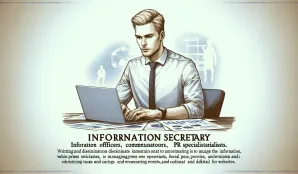
An information secretary works with planning, coordinating, and executing information campaigns within organizations, authorities, or companies. Tasks include writing and distributing press releases, handling media inquiries, producing informational materials, and keeping internal and external stakeholders updated. It often also involves managing websites, social media, and internal communication. The work environment is usually office-based and involves both independent work and close collaboration with colleagues in communication, management, and other departments. The profession requires high levels of organization, language skills, and the ability to quickly absorb and convey information clearly.
Read more ->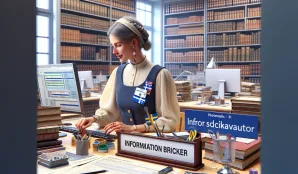
An information broker works with collecting, organizing, and analyzing information from various sources to make it accessible and useful for companies, authorities, or organizations. Tasks often include identifying relevant information resources, creating databases, presenting data in reports, and guiding clients or colleagues in information retrieval. Many information brokers work within libraries, archives, or information departments and play a central role in ensuring the right information reaches the right recipient at the right time. The work environment is usually office-based and characterized by a fast pace, especially when quick and accurate information delivery is required.
Read more ->
An information consultant works with analyzing, structuring, and communicating information effectively and tailored to the target audience. Tasks often include developing communication strategies, creating and publishing content in digital and print channels, and supporting organizations in change management and internal communication. The work is often project-based, where the consultant contributes expertise in information management, training, or advising to improve workflows and knowledge transfer. The work environment is typically office-based, with opportunities for remote work and flexible hours, but may also involve client visits and collaborations with external parties.
Read more ->
An information assistant, traffic information officer primarily works to provide travelers and the public with current traffic information, both digitally and through personal meetings, phone, or chat. Common tasks include answering questions about schedules, tickets, traffic disruptions, and alternative routes. The role often involves contact with internal and external parties, such as traffic controllers, drivers, and customer service. The work is usually performed in an office environment or at traffic centers where the pace can be high, especially during major traffic disruptions, and working hours may vary depending on the employer’s hours.
Read more ->