- Salary statistics
- Freezer salary
Freezer salary
Latest available salary statistics are for 2025. Compare average pay, salary range and related job listings.
31 500 - 34 400 SEK / month
Women earn 98% of what men do.
Industriell tillverkning
Related tools
Salary progression Freezer
What does an in-cryser do? – Tasks and work environment
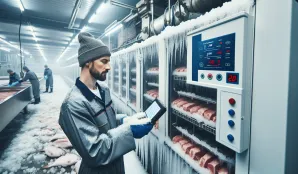
An in-cryser primarily works within the food industry and is responsible for freezing meat, fish, or other food products efficiently and safely. The work involves managing and monitoring large freezing facilities, controlling temperatures, and ensuring that products are frozen in accordance with current quality and hygiene standards. The in-cryser may also need to perform basic maintenance on machines and handle logistics related to inbound and outbound deliveries. The work environment is characterized by low temperatures, physical activity, and often shift work, which requires both precision and endurance.
Salary development over time
In-cryser has experienced steady salary growth in recent years. In 2022, the average salary was 28,500 SEK per month. In 2023, it increased to 30 800 SEK, representing an increase of approximately 4.5%. The latest figure from 2024 shows an average salary of 33 000 SEK, which is an additional increase of over 3.3%. The salary growth can partly be explained by increased demand for experienced machine operators in the food industry, as well as general wage negotiations within the industry. Although the core tasks have not fundamentally changed, technological development and new hygiene requirements have strengthened the skill demands of the profession, which may have positively impacted salary development.
In-cryser salary – comprehensive overview
- Average salary: 33 000 SEK/month
- Lowest salary: 28,500 SEK/month (men), 31,400 SEK/month (women)
- Highest salary: 33,300 SEK/month (men), 32,700 SEK/month (women)
- Hourly wage (average): 185 SEK
- Gender differences: Women earn 98% of what men do (men: 33 200 SEK, women: 32 600 SEK)
- Regional differences: Salary variations occur, especially between larger industries and smaller facilities
Education and qualifications
To work as an in-cryser, a high school diploma with a focus on food, industry, or technology is usually required. Many employers also offer internal training at the workplace, especially regarding machine safety and hygiene regulations. Practical experience from the food industry is often advantageous and may sometimes weigh more than formal education.
- High school diploma: Food program or industrial technology program (3 years)
- Certifications: Hygiene training and machine safety courses
- Internship: Internships in the food industry are common and often a requirement
- Prerequisites: Good physical condition, meticulousness, and understanding of safety routines
- Tips: Experience with shift work and working in cooled environments is an advantage
Working as an in-cryser often involves teamwork where clear communication and quick decision-making are crucial, especially when facing unexpected technical issues or production stoppages. Therefore, it is advantageous to enjoy both routine tasks and rapid adjustments.
Common benefits and compensations
In-cryser employees often have access to benefits such as overtime pay for evening and night shifts, wellness contributions, work clothing, and sometimes collective insurance policies or pension contributions. Some workplaces offer subsidized lunches, extra vacation days, or bonus systems linked to production efficiency. The work may also include collectively negotiated insurances and pension allocations.
Competition and challenges
The labor market for in-cryser is currently characterized by a balance between supply and demand. According to the Swedish Public Employment Service's forecasts for machine operators in the food sector, job opportunities are medium-sized, but a decrease in demand is expected over the next five years. The main reason is increased automation and technological development within the food industry, which may reduce the need for manual labor. At the same time, there are still a large number of job openings within the profession, indicating some regional variation and ongoing demand for skilled in-cryser in certain parts of the country. Challenges may also arise from physically demanding environments and high hygiene standards.
Tips for those who want to become an in-cryser
To succeed as an in-cryser, it is good to be meticulous and have a strong sense of responsibility, especially since the work often involves handling food under strict hygiene requirements. Being resilient and having good physical fitness facilitates the physically demanding environment with low temperatures during most of the working day. Flexibility is an important trait since production planning can change quickly, and shift work is common. Good teamwork skills are also valuable, as work is often done in teams where quick communication can be crucial during technical challenges. An interest in technology and machinery is an advantage, as the role involves daily contact with equipment that requires some understanding of maintenance and troubleshooting. Being solution-oriented and able to act quickly during operational stops is appreciated by employers. Finally, openness to further training and continuous updates on new safety routines is beneficial.
Key facts about In-cryser
- Education level: High school diploma, preferably food program
- Work environment: Cold, physically demanding, often shift-based
- Demand: Moderate, with some decrease forecasted
- Job openings: 1,437 nationwide
- Special skills: Hygiene routines and machine handling
Career paths and future prospects
After three to five years as an in-cryser, opportunities may exist to advance to leadership roles such as team leader or supervisor within production, especially for those demonstrating technical skills and responsibility. Some choose to further their education to become machine technicians or production planners within the food industry. According to the Swedish Public Employment Service's forecasts for machine operators in the food sector, the job market is balanced, but demand is expected to decline over time due to increased automation. Nevertheless, there are still good opportunities for immediate employment and many job vacancies within the profession.
Frequently asked questions about In-cryser
- What is the average salary of an In-cryser?
- The average monthly salary for an in-cryser is 33 000 SEK. - Are there differences between men and women in the in-cryser profession?
- Yes, women earn on average 32 600 SEK, which is 98% of what men earn (men: 33 200 SEK). - What education is required to become an in-cryser?
- Usually, a high school diploma with a focus on food or industry, along with internal training in hygiene and machine safety, is required. - What does the future look like for in-cryser?
- The demand is forecasted to be moderate, but it is expected to decrease over five years due to automation. - What is the work environment like?
- Work takes place in cold environments, often with shift work and high hygiene and safety standards. - What benefits can an in-cryser receive?
- Common benefits include overtime pay, wellness contributions, work clothing, and collectively negotiated insurances. - How many job openings are available in the profession?
- There are 1,437 job openings nationwide within the machine operators, meat and fish processing industry.

Salary distributed by age and sector
| Age | Base salary | Monthly salary | |
|---|---|---|---|
| 18-24 | 28600 kr | 32000 kr | |
| 25-34 | 98% | 29600 kr | 32400 kr |
| 35-44 | 101% | 30200 kr | 32700 kr |
| 45-54 | 97% | 30500 kr | 33100 kr |
| 55-64 | 92% | 31500 kr | 34700 kr |
| Snitt | 98% | 30200 kr | 33000 kr |
| Age | Base salary | Monthly salary | |
|---|---|---|---|
| 18-24 | 28600 kr | 32000 kr | |
| 25-34 | 98% | 29600 kr | 32400 kr |
| 35-44 | 101% | 30200 kr | 32700 kr |
| 45-54 | 97% | 30500 kr | 33100 kr |
| 55-64 | 92% | 31500 kr | 34700 kr |
| Snitt | 98% | 30200 kr | 33000 kr |
| Age | Base salary | Monthly salary | |
|---|---|---|---|
| 18-24 | 28600 kr | 32000 kr | |
| 25-34 | 98% | 29600 kr | 32400 kr |
| 35-44 | 101% | 30200 kr | 32700 kr |
| 45-54 | 97% | 30500 kr | 33100 kr |
| 55-64 | 92% | 31500 kr | 34700 kr |
| Snitt | 98% | 30200 kr | 33000 kr |
| Age | Base salary | Monthly salary | |
|---|---|---|---|
| 18-24 | 28600 kr | 32000 kr | |
| 25-34 | 98% | 29900 kr | 32600 kr |
| 35-44 | 101% | 30200 kr | 32700 kr |
| 45-54 | 97% | 30800 kr | 33500 kr |
| 55-64 | 92% | 32000 kr | 35800 kr |
| Snitt | 98% | 30300 kr | 33200 kr |
| Age | Base salary | Monthly salary | |
|---|---|---|---|
| 18-24 | 28600 kr | 32000 kr | |
| 25-34 | 98% | 29900 kr | 32600 kr |
| 35-44 | 101% | 30200 kr | 32700 kr |
| 45-54 | 97% | 30800 kr | 33500 kr |
| 55-64 | 92% | 32000 kr | 35800 kr |
| Snitt | 98% | 30300 kr | 33200 kr |
| Age | Base salary | Monthly salary | |
|---|---|---|---|
| 18-24 | 28600 kr | 32000 kr | |
| 25-34 | 98% | 29900 kr | 32600 kr |
| 35-44 | 101% | 30200 kr | 32700 kr |
| 45-54 | 97% | 30800 kr | 33500 kr |
| 55-64 | 92% | 32000 kr | 35800 kr |
| Snitt | 98% | 30300 kr | 33200 kr |
| Age | Base salary | Monthly salary | |
|---|---|---|---|
| 25-34 | 98% | 28700 kr | 32000 kr |
| 35-44 | 101% | 30100 kr | 32800 kr |
| 45-54 | 97% | 30100 kr | 32400 kr |
| 55-64 | 92% | 30700 kr | 33000 kr |
| Snitt | 98% | 29900 kr | 32600 kr |
| Age | Base salary | Monthly salary | |
|---|---|---|---|
| 25-34 | 98% | 28700 kr | 32000 kr |
| 35-44 | 101% | 30100 kr | 32800 kr |
| 45-54 | 97% | 30100 kr | 32400 kr |
| 55-64 | 92% | 30700 kr | 33000 kr |
| Snitt | 98% | 29900 kr | 32600 kr |
| Age | Base salary | Monthly salary | |
|---|---|---|---|
| 25-34 | 98% | 28700 kr | 32000 kr |
| 35-44 | 101% | 30100 kr | 32800 kr |
| 45-54 | 97% | 30100 kr | 32400 kr |
| 55-64 | 92% | 30700 kr | 33000 kr |
| Snitt | 98% | 29900 kr | 32600 kr |

About the data
All information displayed on this page is based on data from the Swedish Central Bureau of Statistics (SCB), the Swedish Tax Agency and the Swedish employment agency. Learn more about our data and data sources here.
All figures are gross salaries, meaning salaries before tax. The average salary, or mean salary, is calculated by adding up the total salary for all individuals within the profession and dividing it by the number of individuals. For specific job categories, we have also considered various criteria such as experience and education.
Profession Freezer has the SSYK code 8161, which we use to match against the SCB database to obtain the latest salary statistics.
-

Production Worker for Meat Industry in Mölnlycke
Machine operators, meat and fish processing industry
Tue, 14 Jul 2026 - 20:36 -

Production Worker for Food Industry in Falkenberg
Machine operators, meat and fish processing industry
Fri, 10 Jul 2026 - 07:22 -

Process Operator at Feed Mill in Västerås
Machine operators, meat and fish processing industry
Thu, 9 Jul 2026 - 21:17 -

Production Worker for Meat and Fish Processing
Machine operators, meat and fish processing industry
Tue, 7 Jul 2026 - 21:29 -

Machine Operator in Food Production
Machine operators, meat and fish processing industry
Mon, 6 Jul 2026 - 20:45
Compare salary, work tasks and job outlook in adjacent occupations to find roles with similar skills or pay levels.
-
Corrugated cardboard machine operator salary
Average salary: 40 300 SEK/month • Industriell tillverkning
Machine operators, paper goods industry
Compare with Freezer
Tue, 14 Jul 2026 - 22:14 -

Electrofilter attendant salary
Average salary: 42 600 SEK/month • Industriell tillverkning
Machine operators, chemical technology and photographic products
Compare with Freezer
Tue, 14 Jul 2026 - 20:44 -

Average salary: 32 100 SEK/month • Industriell tillverkning
Butchers and meat cutters etc.
Compare with Freezer
Tue, 14 Jul 2026 - 21:16 -

Average salary: 37 100 SEK/month • Industriell tillverkning
Other assemblers
Compare with Freezer
Tue, 14 Jul 2026 - 20:40 -

Average salary: 40 000 SEK/month • Industriell tillverkning
Rolling mill operators
Compare with Freezer
Tue, 14 Jul 2026 - 16:15 -

Average salary: 38 300 SEK/month • Industriell tillverkning
Operators in sawmills, planing mills and plywood etc.
Compare with Freezer
Wed, 15 Jul 2026 - 00:11


