News and articles
- Home
- Articles






Latest posts
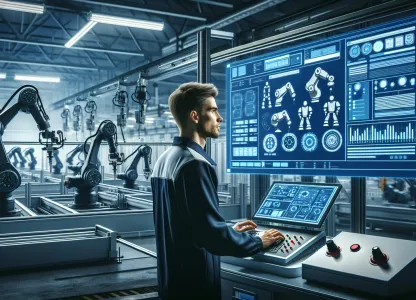
An industrial robot operator is responsible for controlling, monitoring, and maintaining automated production systems within the industry. Tasks often include starting and stopping robot cells, loading materials, performing basic programming, and identifying and fixing operational issues. The work is usually carried out in production environments where automation is central, and safety and precision are of utmost importance. Industrial robot operators work closely with technicians, engineers, and other production staff to ensure an efficient and error-free manufacturing process.
Read more ->
An industrial psychologist works to apply psychological principles and scientific methods within industry and the workplace. Common tasks include analyzing work environments, designing selection processes, working with organizational development, and supporting leadership and employee growth. Industrial psychologists contribute to improving the work environment, increasing productivity, and promoting mental health among employees. The work environment is often office-based but can also involve visits to workplaces, factories, or production facilities where psychological expertise in work processes and collaboration is needed.
Read more ->-

Opinion Polls: Kantar-Sifo shows increased support for S, decline for SD and C
Fri, 13 Feb 2026 - 01:35 -

Policy rate remains at 1.75% – Riksbank signals stability
Thu, 29 Jan 2026 - 14:02

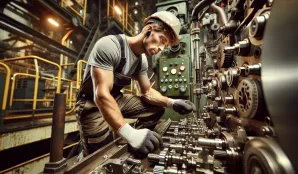
An industrial mechanic mainly works with maintenance, repairs, and preventive service of machines and production equipment within the industry. Tasks include troubleshooting, assembly, adjustment, and replacement of machine parts, as well as ensuring uninterrupted production. The industrial mechanic often uses advanced tools and measuring devices to check tolerances and quality, and may also work on improvement projects and installing new machines. The work environment is often industrial, involving noise, heavy lifting, shift work, but also a high degree of technical responsibility and problem-solving.
Read more ->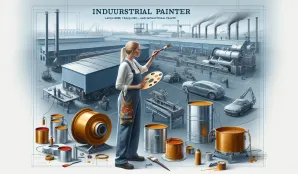
An industrial painter is responsible for applying paint, varnish, or other surface coatings to industrial products, machinery, and components. The tasks often include surface preparation, mixing paints, and using various spray and painting equipment to ensure an even and durable finish. Industrial painters typically work in factories, workshops, or large industrial facilities where the environment can be noisy and require protective gear. Precision, patience, and understanding of material properties are essential to achieve high-quality work.
Read more ->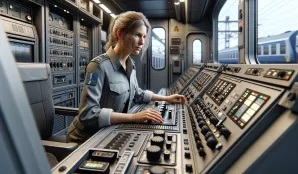
An industrial locomotive driver is responsible for operating and maneuvering locomotives within industrial areas, often focusing on transporting goods and materials between different parts of a production plant or to and from external deliveries. The work involves not only driving the locomotive but also switching wagons, inspecting loading and unloading, and ensuring that goods are handled safely and efficiently. The work environment is characterized by outdoor and industrial settings with changing weather conditions, noise, and sometimes irregular working hours. Safety regulations are central, and collaboration with colleagues in logistics and production is an integral part of daily life.
Read more ->
An industrial chef primarily works with preparing, cooking, and packaging food on a large scale within the food industry. The role often involves working with machines and production lines where raw materials are processed into finished products, such as meat, fish, ready-made meals, or semi-finished goods. Tasks also include quality control, supervising production, handling raw materials, as well as maintenance and cleaning of equipment. The working environment is characterized by high speed, shift work, and clear hygiene routines, often in refrigerated or temperature-controlled facilities. Safety regulations and precision are important parts of daily work, as food manufacturing demands high standards of quality and traceability.
Read more ->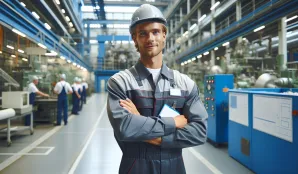
An Industrial Guide leads visitors through factories, industrial facilities, and production environments to inform about processes, technology, and the company's history. The role involves planning and conducting guided tours, answering questions, and tailoring information for different audiences such as school classes, business delegations, and tourists. Industrial Guides often work in environments where safety and clear communication are crucial, and they need to stay updated on technical changes and production flows. The work environment can range from noisy workshop areas to more office-like spaces for presentations and introductions, requiring flexibility and the ability to navigate different settings.
Read more ->
An industrial designer, also known as a product designer, works on developing and shaping products for industrial manufacturing. Tasks include creating and visualizing new ideas, designing prototypes, and collaborating with engineers, marketers, and manufacturers to produce products that combine functionality, ergonomics, and aesthetics. This often occurs in project-based work where the entire development process, from concept to finished product, is led and coordinated. The work environment is usually office-based with elements of workshop work, model building, and digital sketching. Industrial designers work at design agencies, larger companies with in-house R&D departments, or as freelance consultants.
Read more ->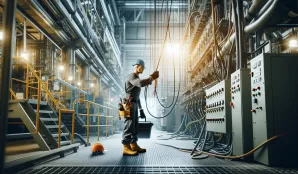
An industrial electrician works with installing, maintaining, and repairing electrical systems within the industry. Tasks include troubleshooting, reconfiguration, and optimization of control and regulation equipment in factories, workshops, and production facilities. The industrial electrician often works in teams with other technicians and engineers to ensure efficient production without downtime. The work environment is characterized by technically advanced settings where safety routines are crucial, and work may involve day shifts or shifts depending on operational needs.
Read more ->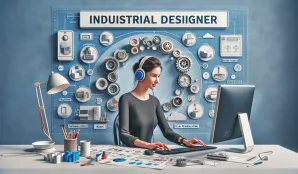
An industrial designer works on developing and designing products for industrial manufacturing, focusing on functionality, aesthetics, and user-friendliness. Tasks often encompass the entire design process – from idea and concept sketches to finished products, including prototypes and testing. The industrial designer collaborates closely with engineers, marketers, and sometimes end customers to understand needs, technical possibilities, and trends. The work environment is typically office-based but can also include visits to factories, design studios, or trade fairs. Digital tools and CAD software are frequently used to visualize and evaluate ideas.
Read more ->