News and articles
- Home
- Articles






Latest posts

An interior designer works to create functional, aesthetic, and personalized environments in private homes, public spaces, and commercial premises. Tasks include planning room layouts, selecting materials and colors, designing furniture, lighting solutions, and decorative details. The work often involves close dialogue with clients, architects, and suppliers to ensure that projects meet both practical and creative requirements. The work environment varies between office work, site visits, and sometimes travel, and can include both independent assignments and collaboration within larger project teams.
Read more ->
An interior architect designs and plans indoor environments in homes, offices, public buildings, and commercial spaces. Tasks include creating functional and aesthetically appealing spatial solutions, selecting materials, color schemes, lighting, and furniture. The work is often done in close collaboration with architects, building engineers, clients, and sometimes craftsmen. The work environment varies between office work, site visits, and meetings with clients. Creative problem-solving and the ability to interpret client needs are central to the role, as well as staying updated on trends and regulations within construction and design.
Read more ->-

Opinion Landscape: Novus February 2026 – Social Democrats Still Largest
Thu, 19 Feb 2026 - 01:35 -

Policy rate remains at 1.75% – Riksbank signals stability
Thu, 29 Jan 2026 - 14:02


An interior designer with a broad focus works on designing and improving indoor environments in both private and public settings. Tasks include creating concepts and color schemes, selecting materials, furniture, and lighting, as well as coordinating deliveries and collaborating with other professionals such as architects, craftsmen, and suppliers. The work is often project-based, involving planning, budget tracking, and customer contact as central aspects of the role. The work environment can vary from office-based workplaces to fieldwork at clients’ sites, and flexibility and creative solutions are often crucial for success in the profession.
Read more ->
An interior designer, interior architect works with planning, designing, and creating functional and aesthetically pleasing indoor environments. The profession involves developing interior concepts for both private homes and public spaces, offices, shops, and restaurants. The work often includes practical and creative tasks such as color schemes, furniture arrangement, material choices, and lighting planning. Projects can range from small styling jobs to comprehensive solutions for large properties. The work environment is often flexible, combining office work with site visits, client meetings, and collaboration with other professionals such as building architects and craftsmen.
Read more ->
An inside salesperson in business sales works with selling products or services to other companies, often via phone, email, or digital meeting platforms. Responsibilities include prospecting new clients, following up on leads, preparing quotations, and negotiating and closing deals. Customer contact usually takes place from the office, but some inside salespeople also participate in trade shows and client visits. The role requires strong communication skills, high service orientation, and the ability to understand customer needs. The work environment is often fast-paced, with clear goals and result expectations, and close collaboration with colleagues in marketing and customer support is common.
Read more ->
A Floorball coach is responsible for leading, developing, and inspiring players at various levels, from youth teams to senior teams. Tasks include planning and conducting training sessions, match coaching, individual player development, and tactical preparations for games. It is common for coaches to collaborate with assistant coaches, fitness trainers, and team managers to create optimal conditions for the team. The work environment is primarily in sports halls, sports facilities, and sometimes involves travel to away matches and tournaments, which can include evening and weekend work. The profession requires good communication skills, leadership, and a genuine interest in sports and team development.
Read more ->
A floorball player trains and competes in the sport of floorball at a professional level. Tasks include daily team training, individual fitness training, tactical preparation, and participation in matches and tournaments both nationally and internationally. Besides playing, the player is expected to work on recovery, nutrition, and mental preparation to perform optimally. The work environment is often in indoor halls with high intensity, where travel and variable working hours are common, especially during peak seasons and before important matches.
Read more ->
A narrator primarily works with interpreting and recording texts, such as audiobooks, informational materials, e-learning, advertising, or other types of scripts. The work requires high concentration, clear diction, and the ability to adapt the voice to different styles and target audiences. Many narrators work in sound studios, but remote work with recording at home studio is also common. The work environment is often technically equipped and can involve both solo work and collaboration with producers, directors, and technicians.
Read more ->
A roll operator in a rolling mill is responsible for feeding and positioning metal components in the mill's machines, where the metal is processed and shaped according to specified dimensions and quality requirements. The job involves carefully monitoring the process, performing ongoing checks, and quickly addressing any disruptions to ensure a consistent flow and high-quality end products. The work environment is often industrial, with high noise levels, heavy lifting, and safety gear requirements. Safety is a central part of daily work, and shifts are common, requiring endurance and flexibility.
Read more ->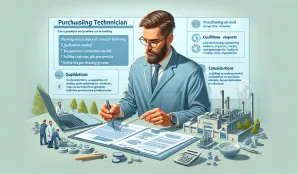
A purchasing technician is responsible for streamlining and quality-assuring procurement processes within the industry, often focusing on production planning and logistics. The work involves analyzing supply chains, evaluating quotes, negotiating agreements, and ensuring that materials and components are delivered on time and at the right cost. The role requires close collaboration with both internal departments and external suppliers. The work environment is generally office-based but can also include visits to suppliers or production units for follow-up and quality checks.
Read more ->