News and articles
- Home
- Articles






Latest posts

A production manager is responsible for planning, coordinating, and leading filming, TV, or audio production work. The role involves overall responsibility for logistics, scheduling, and ensuring that all parts of the production run smoothly according to plan. The work environment is often fast-paced and varies between filming locations, studio settings, and offices. The production manager acts as a central link between the director, technical staff, and other team members, which requires organizational skills and good communication.
Read more ->
A recording coordinator is responsible for coordinating and planning all practical aspects of a recording in film, TV, radio, or stage. Tasks include booking resources, coordinating teams, handling schedule changes, and ensuring all technical equipment is on site. The role often acts as the hub between departments such as direction, technical, and production, requiring excellent organizational skills and flexibility. Recording coordinators work both in studio and field environments, where workload can be high at times and working hours irregular depending on production needs.
Read more ->-

Opinion Landscape: Novus February 2026 – Social Democrats Still Largest
Thu, 19 Feb 2026 - 01:35 -

Policy rate remains at 1.75% – Riksbank signals stability
Thu, 29 Jan 2026 - 14:02


A recording assistant works behind the scenes in film, TV, and media productions, assisting the production team with a range of practical and logistical tasks. The role often involves being present on set and coordinating equipment, props, and transportation, as well as managing communication between departments. The work environment varies depending on the size of the production and can involve indoor and outdoor work, sometimes under tight deadlines and long working hours. Flexibility and problem-solving skills are central to success in the role, and it is common to work in teams with both creative and technical colleagues.
Read more ->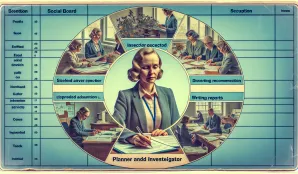
An inspector at the Swedish National Board of Health and Welfare works with supervision, review, and evaluation of various activities within social services and healthcare. Tasks include collecting and analyzing information, conducting site visits, writing reports, and ensuring that laws and regulations are followed within the inspected organizations. The work often involves contact with authorities, care providers, and the public, requiring good communication and collaboration skills. The work environment is mainly office-based, but travel occurs during inspections and site visits.
Read more ->
An inspector in forestry is responsible for planning, leading, and monitoring forest management measures within a specific area. Tasks include inventory of forest assets, advising landowners, inspecting logging and reforestation, and supervising environmental and nature conservation regulations. The role often involves coordinating efforts between various actors such as private landowners, authorities, and contractors. The work environment varies between fieldwork in forests and administrative tasks at an office. A driver’s license and good physical condition are often required, as the workday may involve long walks in terrain and changing weather conditions.
Read more ->
An inspector in the criminal division works on investigating and analyzing criminal acts, often within the framework of specialized police investigation units. Tasks include collecting and processing evidence, interviewing suspects and witnesses, and collaborating with prosecutors and other authorities. Most work is done at an office, but it can also involve fieldwork at crime scenes and in connection with raids. The work environment is characterized by a fast pace, demands for precision, and a high level of responsibility for legal certainty. The ability to handle stress and complex situations is essential, as workloads can be uneven and pressurized during urgent incidents.
Read more ->
An inspector in animal husbandry has overall responsibility for supervision and advice regarding animal care on farms and breeding facilities. Tasks include monitoring animal welfare, disease control, environmental requirements, and ensuring compliance with laws and regulations. The inspector conducts regular visits to farms, documents actions, and provides guidance to animal owners to ensure operations meet national and EU standards. The work environment is often varied, with time spent both on farms and at administrative tasks in offices. Physical work, travel, and contact with both animals and people are common.
Read more ->
An inspector within mixed operations is responsible for monitoring, controlling, and optimizing various processes within agriculture, forestry, or related areas. The work often involves inspecting facilities, machinery, and production flows to ensure compliance with legal requirements and internal guidelines. The role also includes reporting deviations, suggesting improvements, and advising responsible parties. The work environment can vary between office work, field visits, and collaboration with external actors, which requires flexibility and strong communication skills.
Read more ->
An inspection diver primarily works on conducting technical inspections beneath the water surface. Tasks can include checking bridge foundations, quays, dams, pipelines, ship hulls, and other structural constructions. Video equipment and advanced tools are often used to document and report findings. The working environment is varied and can be challenging and risky, as work takes place in water environments with limited visibility, flowing water, or extreme weather conditions. Safety procedures are always a top priority, and collaboration with other personnel on site is crucial for safe and efficient work.
Read more ->