News and articles
- Home
- Articles






Latest posts
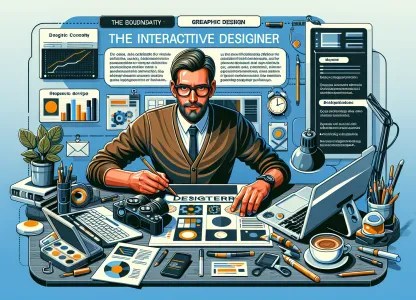
An interactive designer works on creating user experiences and digital interfaces that engage and facilitate the user. Tasks often include designing websites, apps, digital services, and sometimes physical interactive environments. The process involves research, user testing, prototyping, and collaboration with developers, project managers, and other designers. The work environment is characterized by creativity and a fast pace, where teamwork is common, but independent tasks also occur. Many interactive designers work at agencies, in in-house teams at larger companies, or as consultants and freelancers.
Read more ->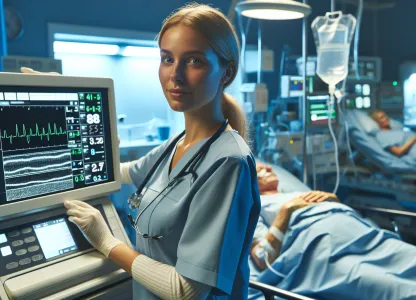
Intensive care nurses are responsible for advanced care and monitoring of critically ill patients treated in intensive care units. Tasks include managing life-support equipment, administering medications, tracking vital signs, and acting quickly during urgent changes in the patient's condition. Collaboration with doctors, assistant nurses, and other healthcare staff is central to ensuring patient safety. The work environment is technically advanced, often fast-paced, and demands high levels of both medical expertise and psychological resilience.
Read more ->-

Opinion Landscape: Novus February 2026 – Social Democrats Still Largest
Thu, 19 Feb 2026 - 01:35 -

Policy rate remains at 1.75% – Riksbank signals stability
Thu, 29 Jan 2026 - 14:02

An Exhibition Curator is responsible for planning, developing, and executing exhibitions at museums, art galleries, or other cultural institutions. Tasks range from idea generation and concept development to practical coordination of transportation, installation, and lighting. The work requires close collaboration with artists, designers, technicians, and educators. The environment is often creative but can also be intense before exhibition openings, with periods of high activity and demands for flexibility. Administrative tasks such as budgeting, reporting, and applying for grants are often part of the role.
Read more ->
A hospital superintendent is responsible for coordinating and streamlining operations within various support functions such as property management, logistics, procurement, and service departments. The role often involves managing daily operational issues and long-term projects to ensure the hospital's environment, equipment, and resources function optimally. The work environment is typically office-based but includes frequent presence on-site at the hospital, where collaboration with medical staff, technicians, and suppliers is central. The superintendent is expected to act as a problem solver, lead teams, and handle complex logistical challenges in an environment where patient safety and efficiency are always prioritized.
Read more ->
A museum curator is responsible for developing, managing, and communicating the museum's collections and exhibitions. Tasks often include research, documentation, cataloging, and publishing material related to objects and artworks. Many curators lead projects related to exhibition production, collection care, and educational activities, as well as collaborate with other institutions and researchers. The work environment is usually office-based but can also include work in exhibition halls, storage facilities, and sometimes travel for research or collaborations. The profession requires high precision, analytical skills, and good communication skills, as it often involves contact with both the public and specialists.
Read more ->
An art curator primarily works with managing, developing, and showcasing art collections at museums, art galleries, and similar institutions. Job tasks include curating exhibitions, documenting and cataloging artworks, writing texts, and communicating art to various audiences through tours, lectures, and publications. The role often involves liaising with artists, collectors, and other cultural sector actors. The work environment is characterized by both creativity and precision, where collaboration with colleagues across disciplines is central. Many curators work in project-based settings, requiring good organizational skills and flexibility.
Read more ->
Integration Officers work to support and guide individuals who have recently arrived in Sweden or are in the process of integration. Their tasks include investigation, planning, and follow-up of individual measures to facilitate integration into society. This can involve contact with authorities, employers, educational providers, and other community actors. The work environment is often office-based, but meetings and site visits occur regularly. Integration Officers collaborate closely with colleagues in social work and need to handle a varied pace where complex social issues are part of daily life.
Read more ->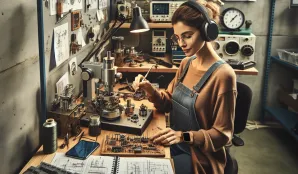
An instrument technician in precision mechanics works with manufacturing, assembly, and maintenance of very small and precise components, often in advanced technical systems. Tasks include troubleshooting, repair, and calibration of fine mechanical instruments, where accuracy and attention to detail are crucial. The work often takes place in laboratory environments or specialized workshops, with daily handling of technical equipment and sensitive instruments. The profession requires a good understanding of mechanics, electronics, and sometimes optics, as the instruments can be complex and used in fields such as medical technology, research, or industry.
Read more ->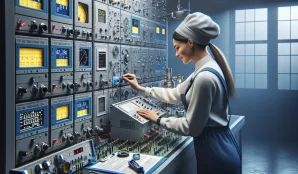
An instrumentation technician in electronics works with installation, operation, maintenance, and troubleshooting of electronic instruments and control systems in industrial environments. Tasks often include calibration of measurement instruments, programming of control systems, as well as repair and servicing of advanced electronics in production facilities. The technician is responsible for ensuring that technical systems operate optimally, contributing to high operational reliability and efficiency. The work environment is varied, involving both workshop work and fieldwork, and can include independent tasks or teamwork during larger installations or service assignments.
Read more ->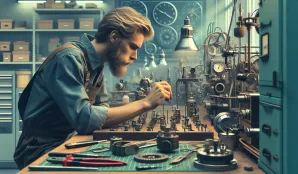
An instrument repair technician in precision mechanics is responsible for troubleshooting, servicing, and repairing advanced precision instruments. Common tasks include disassembly, cleaning, and calibration of equipment used in laboratories, healthcare, research, and industry. The profession requires great accuracy, as components are often very small and sensitive. Work is performed in a workshop environment or directly at the customer's site, where high quality and documentation are central. The work environment is characterized by sitting and focused work, often with the help of specialized tools, microscopes, and advanced measurement equipment.
Read more ->