News and articles
- Home
- Articles






Latest posts

A Köpman is responsible for managing and developing retail operations, often with personnel responsibility and a comprehensive approach to sales, purchasing, and results. The role includes planning assortments, pricing, negotiating with suppliers, as well as marketing and customer service. The work environment is usually in a retail setting with varying pace, involving both administrative work and practical tasks on the shop floor. The job requires good organizational skills, leadership, and strong business insight, as a Köpman often needs to make quick decisions and handle unexpected situations in the business.
Read more ->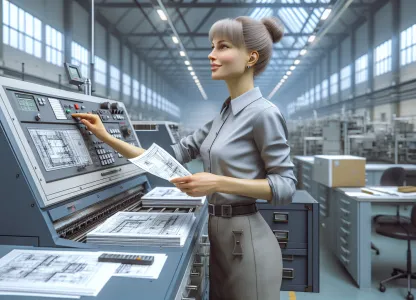
A copyist, drafting assistant primarily works with reproducing drawings, documents, and other technical materials. Tasks may include operating copying equipment, digitizing physical documents, and ensuring materials meet quality and format standards. In some cases, the role also involves administrative support to engineers and technicians, such as sorting, archiving, and distributing drawing materials. The work environment is often an office or production facility where accuracy, structure, and a methodical approach are essential to meet the high standards of document handling and quality assurance.
Read more ->-

Opinion Landscape: Novus February 2026 – Social Democrats Still Largest
Thu, 19 Feb 2026 - 01:35 -

Policy rate remains at 1.75% – Riksbank signals stability
Thu, 29 Jan 2026 - 14:02


A copyist within repro works with producing and processing original materials for printing, which involves digitizing, adjusting, and optimizing images and documents before they go to the printing press. Tasks include scanning, color correction, layout adjustment, and handling various digital tools for prepress production. The role requires precision, technical understanding, and the ability to collaborate with printers, graphic designers, and clients. The work environment is often studio-like, characterized by deadlines and a sometimes high pace, with both individual and team work depending on the project scope.
Read more ->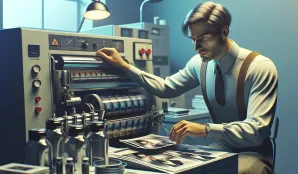
A copyist in photography mainly works with producing and processing photographic images in various formats and materials. Tasks include analog and digital image copying, color adjustment, retouching, and quality control of the final product. The profession often involves handling advanced machinery, chemicals, and image editing software, depending on the workplace’s focus. The work environment is typically technical and can be located in small photo labs, larger production facilities, or specialized studios, where precision and an aesthetic eye are crucial for achieving high image quality.
Read more ->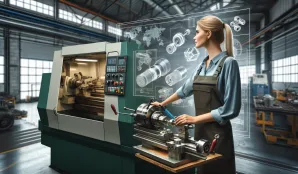
A kopiersvarvare works with manufacturing and processing metal objects using copying machines, where workpieces are shaped according to templates or preset patterns. Daily tasks include setting up, operating, and monitoring machines, as well as inspecting the quality of finished products. Kopiersvarvare are also responsible for changing tools, adjusting settings, and performing basic maintenance on equipment. The work environment is industrial, often in workshops or manufacturing industries where safety routines and precision are crucial. The job may involve shift work and periods of high noise levels, requiring protective equipment and good occupational safety awareness.
Read more ->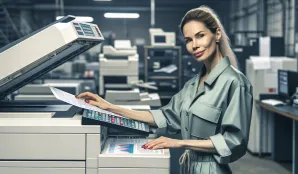
A copying machine operator is responsible for the operation, supervision, and maintenance of advanced copiers and printing machines within companies, public organizations, and print shops. Tasks include preparing machines for printing, refilling materials, performing basic troubleshooting, and ensuring the quality of the produced copies. Handling finishing processes such as binding, sorting, and packaging of finished documents is often included. The work environment is typically indoors in office or production settings, requiring precision, accuracy, and technical knowledge.
Read more ->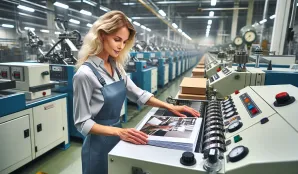
A copying clerk primarily works with handling and producing copies of documents, printed materials, and other resources within companies, organizations, or government agencies. Tasks include managing copiers, printers, and sometimes simple finishing processes such as stapling, sorting, and binding prints. Ordering materials, basic administration, and providing service to colleagues needing help with printing or document management are also common. The environment is typically office-based, involving both independent tasks and close collaboration with other administrative functions.
Read more ->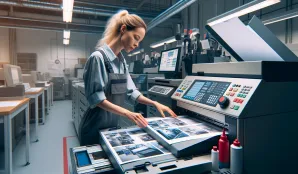
A copy clerk is primarily responsible for managing and operating copying machines and related equipment within companies, print shops, or larger organizations. Tasks include receiving orders, sorting and preparing documents, and ensuring that copying work is performed with high quality and on schedule. The role requires accuracy, good organizational skills, and a sense of service, as tasks often occur under time pressure and involve collaboration with both internal and external customers. The work environment is usually office-based or located in central copying rooms, with workflow varying depending on season and demand.
Read more ->
Buying and selling brokers work with facilitating and closing deals between buyers and sellers of goods and services, often within transportation, forwarding, or raw materials trade. The role involves analyzing market conditions, negotiating prices and terms, and ensuring that transactions are carried out according to contracts and laws. The work is typically performed in an office environment with a high pace, where digital tools and communication via phone and email are central parts of daily work. Contacts are often international, which requires language skills and flexibility.
Read more ->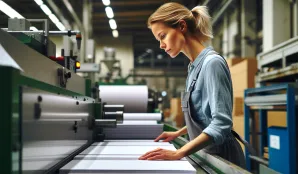
A paper conversion worker primarily processes and refines paper products in industrial environments. Common tasks include monitoring and managing machines that cut, fold, glue, or package paper into finished products such as cartons, envelopes, or other paper items. The work may also include quality control, troubleshooting, and minor maintenance of production equipment. The work environment is often factory-based and may involve shift work, high noise levels, and demands for good physical endurance.
Read more ->