News and articles
- Home
- Articles






Latest posts
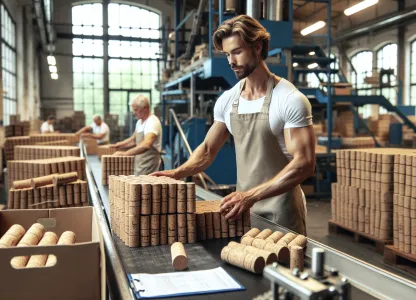
A Cork Stopper Worker specializes in the manufacturing, processing, and inspection of products made from cork material. Tasks can include cutting and shaping cork, assembling cork products for use in industries such as manufacturing, construction, or food sectors. The work is often performed in a factory setting where machines and manual craftsmanship are combined. To ensure product quality, precision and good material knowledge are required. The work environment can be noisy and require protective equipment but follows clear safety routines to minimize risks.
Read more ->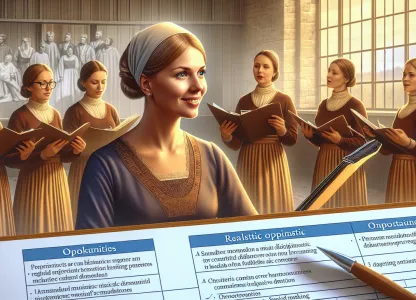
A Korist is a professional singer who works in a choir, often within opera houses, theaters, churches, or independent ensembles. The main tasks involve performing singing in groups but can also include individual parts or solo segments depending on the production requirements. The work demands high musical precision, good vocal health, and the ability to collaborate with conductors, colleagues, and other performing arts professionals. The work environment varies from rehearsal rooms and studios to stages in front of audiences, often involving both fixed and irregular hours, sometimes in evenings and on weekends.
Read more ->-

Opinion Landscape: Novus February 2026 – Social Democrats Still Largest
Thu, 19 Feb 2026 - 01:35 -

Policy rate remains at 1.75% – Riksbank signals stability
Thu, 29 Jan 2026 - 14:02

A basket furniture maker works with manufacturing, repairing, and restoring furniture made from materials such as rattan, willow, and bamboo. Tasks include selecting materials, designing, weaving, finishing surfaces, and assembling finished furniture. The work requires both an eye for detail and good craftsmanship, as the results should be both aesthetically pleasing and functional. The working environment varies, but many basket furniture makers work in small workshops, studios, or independently. Physically demanding work, precision, and sometimes heavy lifting are common parts of the profession.
Read more ->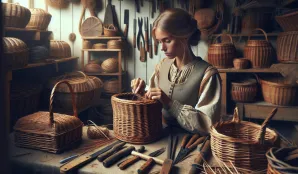
Korgmakeriarbetare manufacture, repair, and restore baskets and other items made of woven natural materials such as reed, rattan, and bamboo. Their tasks often include both traditional techniques and modern methods to create utilitarian and decorative objects. The work is usually carried out in small workshops or studios, where the environment emphasizes craftsmanship requiring precision, dexterity, and patience. Korgmakeriarbetare sometimes collaborate with designers or specialize in custom orders for interior decoration, scenography, or art exhibitions.
Read more ->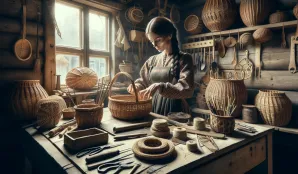
A basket maker manufactures and repairs baskets, woven objects, and other products from natural materials such as willow, rattan, and bamboo. The work is often done by hand with great precision and sensitivity to the material's properties. Basket makers work either in their own workshop, in small craft businesses, or at cultural heritage institutions where traditional techniques are preserved. The work environment is typically calm and characterized by manual work, but can also involve heavy lifting and repetitive tasks, especially during larger orders or restoration projects.
Read more ->
A choreographer works on creating and arranging dance, movement, and stage expressions for performances in theater, musicals, film, TV, or dance companies. Tasks include developing choreographic ideas, instructing dancers, leading rehearsals, and often collaborating closely with directors, set designers, and musicians to create a cohesive experience. The work environment is creative and dynamic, often taking place in dance studios, on stages, or at filming locations. The pace can be high, especially before premieres or major productions, and the profession demands both physical and mental engagement.
Read more ->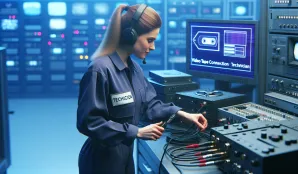
A Video Tape Connection Technician mainly works with installation, operation, and maintenance of technical equipment for recording, storage, and transmission of video tapes and image signals. The role is central in TV production, media houses, and companies handling large amounts of moving images. Tasks include troubleshooting signal paths, configuring equipment, and collaborating with producers and other technicians to ensure high-quality broadcasts and recordings. The work environment is often technically advanced and can involve work both in studio settings and in the field, where quick problem-solving and precision are crucial.
Read more ->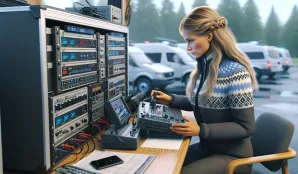
A connection technician within scanners primarily works with installation, maintenance, and troubleshooting of advanced image and broadcast systems where scanners are a central part. Tasks include connecting and configuring technical equipment, performing quality checks, and ensuring smooth image transmission without disruptions. Work environments often include TV studios, production companies, event venues, or larger businesses with needs for advanced image handling. The work can involve both independent assignments and team collaboration, often under time pressure and with high technical precision requirements.
Read more ->
A loading coupling operator is responsible for securing, connecting, and disconnecting cargo on vehicles, ships, or other transportation means. Tasks include checking cargo weight and distribution, using lifting equipment, and communicating with drivers and other staff to ensure safe and efficient loading. The environment is often physical and outdoor-based, with requirements for precision and safety, especially when handling heavy or bulky goods. Work may occur in shifts and sometimes under time pressure, particularly at airports, terminals, and large logistics centers.
Read more ->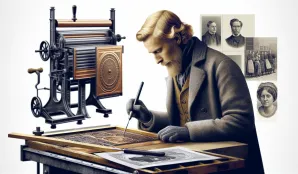
A copperplate engraver works with creating detailed patterns, images, or texts on copper plates using engraving techniques. This craft requires great precision, patience, and artistic skill, as each line must be placed accurately for the final result to be as detailed as possible. The work can be performed for artistic purposes or industrial needs, such as security engravings on valuable documents or printing plates for printing houses. The work environment is usually workshop-based and involves many hours in a seated position using fine motor tools, which demands good concentration and physical endurance.
Read more ->