- Salary statistics
- Choreographer salary
Choreographer salary
Latest available salary statistics are for 2025. Compare average pay, salary range and related job listings.
43 692 - 41 986 SEK / month
Kultur, media, design
Related tools
Salary progression Choreographer
What does a choreographer do? – Tasks and work environment
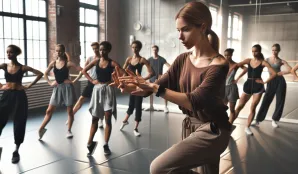
A choreographer works on creating and arranging dance, movement, and stage expressions for performances in theater, musicals, film, TV, or dance companies. Tasks include developing choreographic ideas, instructing dancers, leading rehearsals, and often collaborating closely with directors, set designers, and musicians to create a cohesive experience. The work environment is creative and dynamic, often taking place in dance studios, on stages, or at filming locations. The pace can be high, especially before premieres or major productions, and the profession demands both physical and mental engagement.
Salary development over time
The salary for choreographers has shown a clear increase over the past three years. In 2022, the average salary was 32,600 kronor per month, which increased to 39 779 kronor in 2023. During 2024, the average salary continued upward to 41 986 kronor per month. This development corresponds to a salary increase of approximately 22% between 2022 and 2024. The significant rise between 2022 and 2023 can partly be explained by increased demand for creative productions and larger investments in the culture and entertainment sector. In 2024, salary development has stabilized, indicating that the market may have reached a more balanced level between supply and demand. The industry’s nature, with many project-based and freelance jobs, means salary levels can vary, but the overall trend is positive for choreographers.
Choreographer salary – comprehensive overview
- Average salary: 41 986 kr/month
- Lowest/Highest salary: Data unavailable
- Hourly wage: 239 kr
- Gender differences: Not available
- Regional differences: Not specified
Education and qualifications
To work as a choreographer, a artistic higher education focused on dance and choreography is often required, typically at university level. Many start as dancers and then pursue further education in choreography, pedagogy, or performing arts. Practical experience, creativity, and a broad network are important components for establishing oneself in the profession.
- Artistic higher education: 3–4 years, often at Danshögskolan or equivalent
- Further education in choreography or performing arts: Recommended
- Internship/trainee: Common to work as a dancer before becoming a choreographer
- Creative portfolio: Self-produced works and collaborations are advantageous
- Courses and workshops: Continuing education in dance styles, directing, and pedagogy
Many choreographers have international collaborations and work across borders, which provides opportunities to develop both artistic language and global networks. It is common to combine the role of choreographer with teaching or creating within other art forms.
Common benefits and compensations
Choreographers are often offered flexible working hours, opportunities for artistic development, and access to well-equipped dance studios. Larger institutions may also provide wellness allowances, travel reimbursements, and pension contributions, while project-based and freelance work can sometimes offer fewer benefits.
Competition and challenges
The competition for assignments and permanent positions as a choreographer is high, especially within reputable institutions and larger productions. Many work as freelancers and depend on project grants or temporary contracts, which can mean insecure working conditions and fluctuating income. The industry requires constant development of artistic expression and networks to establish oneself and secure recurring assignments. Changes in cultural policy and funding can also impact the job market, making long-term planning challenging. Despite this, the profession attracts with opportunities to realize personal visions and influence the development of performing arts.
Tips for aspiring choreographers
To succeed as a choreographer, it is good to have both artistic curiosity and a strong sense of collaboration. Gaining experience as a dancer provides a deeper understanding of movement and stage presence, which is crucial for leadership and inspiring others. Creativity is an important trait, and it is developed by daring to try new ideas and create original works, even on a small scale. Social skills and a broad network open doors to collaborations and future projects, especially in an industry where many positions are based on recommendations. Continual professional development and staying updated on new dance styles and techniques strengthen confidence and employability. Patience and resilience are essential, as the path to stable assignments is often long. Finally, being open to working internationally or across artistic disciplines can broaden opportunities.
Key facts about the choreographer
- Education level: Artistic higher education (3–4 years)
- Work environment: Dance studio, theater, filming location
- Employment type: Freelance/project employment common
- Demand: 620 available jobs in the profession right now
- Special skills: Choreography, dance, leadership
Career paths and future prospects
After three to five years in the profession, a choreographer can advance to lead larger productions, collaborate with well-established theater and dance companies, or work as an artistic director. Some choose to specialize in specific genres such as musicals, ballet, or contemporary dance, or combine choreography with teaching at dance schools and universities. According to the Swedish Public Employment Service, there is no specific forecast for the profession due to limited data, but there are 620 available jobs within "Choreographers and dancers." The industry is characterized by project-based employment and international opportunities, offering both flexibility and variation. Future prospects are influenced by cultural policies and investments in performing arts, but creative and niche skills are highly sought after.
Frequently asked questions about the choreographer
- What does a choreographer earn?
- A choreographer has an average salary of 41 986 kronor per month. - How to become a choreographer?
- The most common route is artistic higher education in dance and choreography, along with experience as a dancer. - Are there many job opportunities for choreographers?
- Currently, there are 620 available jobs within the profession, but competition is high. - What work environments do choreographers work in?
- Choreographers mainly work in dance studios, theaters, and filming locations. - What personal qualities are important for a choreographer?
- Creativity, collaboration skills, and leadership are essential qualities in the profession. - What are the future prospects for choreographers?
- The outlook is uncertain, but creative skills and international experience are highly valued.

Salary distributed by age and sector

About the data
All information displayed on this page is based on data from the Swedish Central Bureau of Statistics (SCB), the Swedish Tax Agency and the Swedish employment agency. Learn more about our data and data sources here.
All figures are gross salaries, meaning salaries before tax. The average salary, or mean salary, is calculated by adding up the total salary for all individuals within the profession and dividing it by the number of individuals. For specific job categories, we have also considered various criteria such as experience and education.
Profession Choreographer has the SSYK code 2653, which we use to match against the SCB database to obtain the latest salary statistics.
-

Dance Teacher at Strömsund Municipality's Cultural School
Choreographers and dancers
Mon, 29 Jun 2026 - 09:03 -
Audition for Dancers for Musical 2027 – Karlstad
Choreographers and dancers
Thu, 25 Jun 2026 - 20:45 -

Looking for Dance Leaders for FunkyKidz – The Most Fun Part-Time Job!
Choreographers and dancers
Tue, 23 Jun 2026 - 01:27 -
Leader for FunkyKidz – The Most Fun Part-Time Job in Dance for Children
Choreographers and dancers
Tue, 23 Jun 2026 - 00:24

Compare salary, work tasks and job outlook in adjacent occupations to find roles with similar skills or pay levels.
-

Average salary: 51 000 SEK/month • Kultur, media, design
Directors and producers of film, theater etc.
Compare with Choreographer
Tue, 14 Jul 2026 - 10:06 -

Average salary: 42 800 SEK/month • Kultur, media, design
Authors etc.
Compare with Choreographer
Sat, 11 Jul 2026 - 15:07 -

Average salary: 42 800 SEK/month • Kultur, media, design
Authors etc.
Compare with Choreographer
Tue, 14 Jul 2026 - 10:58 -

Average salary: 41 986 SEK/month • Kultur, media, design
Visual artists etc.
Compare with Choreographer
Tue, 14 Jul 2026 - 13:04 -

Average salary: 35 600 SEK/month • Kultur, media, design
Other professions in culture and entertainment
Compare with Choreographer
Mon, 13 Jul 2026 - 20:39 -

Average salary: 36 700 SEK/month • Kultur, media, design
Stage managers and script supervisors etc.
Compare with Choreographer
Mon, 13 Jul 2026 - 20:01


