- Salary statistics
- Coupling technician, scanner salary
Coupling technician, scanner salary
Latest available salary statistics are for 2025. Compare average pay, salary range and related job listings.
35 300 - 47 100 SEK / month
Women earn 87% of what men do.
Kultur, media, design
Related tools
Salary progression Coupling technician, scanner
What does a connection technician within scanners do – tasks and work environment
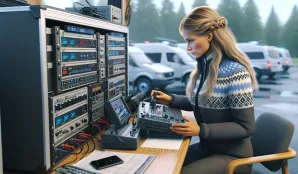
A connection technician within scanners primarily works with installation, maintenance, and troubleshooting of advanced image and broadcast systems where scanners are a central part. Tasks include connecting and configuring technical equipment, performing quality checks, and ensuring smooth image transmission without disruptions. Work environments often include TV studios, production companies, event venues, or larger businesses with needs for advanced image handling. The work can involve both independent assignments and team collaboration, often under time pressure and with high technical precision requirements.
Salary development over time
Salaries for connection technicians focusing on scanners have shown a clear upward trend in recent years. In 2022, the average salary was 37,400 SEK per month, increasing to 41 700 SEK in 2023. The latest year, 2024, the average salary has reached 42 300 SEK, representing an increase of approximately 11.5% over three years. This positive salary trend can largely be explained by technological development and the growing demand for qualified technicians in broadcast and imaging fields. The demand for specialist skills in advanced scanner solutions also drives up salaries, especially as more organizations digitalize their workflows. The market is expected to remain stable, although gender salary gaps persist.
Connection Technician, scanner salary – comprehensive overview
- Average salary: 42 300 SEK/month
- Lowest salary: 35,200 SEK/month (female, private employee, education 3 years or more)
- Highest salary: 47,200 SEK/month (male, private employee, unspecified education level)
- Hourly wage (average): 251 SEK
- Gender differences: Men earn 44 400 SEK, women 38 700 SEK (women earn 87% of what men do)
- Regional differences: No specific statistics available, but variations may occur between urban and rural areas
Education and qualifications
To work as a connection technician within scanners, a technical education in electronics, broadcast technology, or related fields is usually required. Many employers also value practical experience and specialized courses in image handling and networking. Additional qualifications can be obtained through certifications or further training, and internships are often an important part of the educational pathway.
- High school education: Electrical and energy programs, technical programs
- Post-secondary education: Vocational university (YH) in broadcast technology (2–3 years)
- Certifications: Courses in networking, audio-visual technology
- Practical experience: Typically internships or trainee positions at media or technology companies
- Prerequisites: Basic technical interest and problem-solving skills
Technological development in the broadcast and imaging field is rapid, which means connection technicians often work with the latest equipment and are the first to test new solutions. This makes the profession especially interesting for those who want to combine technical knowledge with creative problem-solving.
Common benefits and compensations
Common benefits for connection technicians within scanners include occupational pension, wellness allowance, and opportunities for skill development through courses and training. Many employers also offer flexible working hours, overtime pay, and sometimes access to technical equipment for private use. Benefits may vary depending on employment type and employer.
Competition and challenges
The competition for jobs in connection and scanner technology is generally moderate, although demand for experienced technicians is higher in metropolitan areas where larger productions and technical solutions are more common. One of the biggest challenges is keeping up with rapid technological advancements and continuously updating skills to meet new market demands. There are also differences in access to work depending on industry and geographic location. Additionally, salary statistics show that gender gaps are still significant, which can affect gender equality in the profession. Combining technical competence with flexibility and good communication skills is often crucial for success.
Tips for those wanting to become a connection technician within scanners
To succeed as a connection technician within scanners, it is good to have a strong technical interest and curiosity about new technology, as tasks often involve quickly familiarizing oneself with new systems. Being precise and organized is important, especially since small connection errors can have significant consequences for image quality and transmission. The ability to work under time pressure while remaining calm is also a major advantage, as many tasks occur in intensive production environments. Good teamwork and clear communication make it easier to function in a team, where multiple technicians often work together towards common goals. An additional tip is actively seeking internships or trainee programs to gain practical experience, which often leads to employment. Continuously participating in courses and certifications in broadcast and imaging technology also increases the chances of development and higher salary. Finally, problem-solving skills and creativity are valuable qualities to handle unforeseen challenges in daily work.
Key facts about Connection Technicians, scanners
- Education level: High school or post-secondary (YH) education
- Work environment: Tech-intensive, often on-site in studio or production
- Work form: Usually full-time, sometimes shifts or irregular hours
- Demand: 620 available jobs within the broadcast and imaging technology field
- Special skills: Advanced image and broadcast technology, networking knowledge
Career paths and future prospects
After several years of experience, a connection technician within scanners can advance to roles such as senior technician, supervisor, or technical project manager within broadcast technology. There are also opportunities to specialize in specific technical areas, such as network design or system integration. According to the Swedish Public Employment Service's forecasts, there is no direct assessment for the profession connection technician, scanner, but within the broadcast and imaging technology group, there are currently 620 available jobs, indicating stable demand. The industry’s rapid technological development and increased need for digital solutions make the profession attractive for those who want to develop and broaden their skills.
Frequently asked questions about Connection Technicians, scanners
- What does a Connection Technician, scanner earn?
- The average salary is 42 300 SEK per month. - What education is required to become a connection technician within scanners?
- Secondary or post-secondary education in technology, electrical engineering, or broadcast technology is recommended. - Are there gender differences in salary?
- Yes, women earn 87% of what men do within the profession. - What does the job market look like?
- There are approximately 620 available jobs within the broadcast and imaging technology group. - What personal qualities are important?
- Problem-solving skills, technical interest, and accuracy are important qualities. - What are the most common work environments?
- Studios, production companies, or larger businesses with advanced image handling. - What do development opportunities look like?
- Opportunities to advance to senior technician, supervisor, or specialize within the technical field.

Salary distributed by age and sector
| Age | Base salary | Monthly salary | |
|---|---|---|---|
| 25-34 | 91% | 35700 kr | 38700 kr |
| 35-44 | 39900 kr | 41800 kr | |
| 45-54 | 48500 kr | 50200 kr | |
| Snitt | 87% | 39900 kr | 42300 kr |
| Age | Base salary | Monthly salary | |
|---|---|---|---|
| 18-24 | 98% | 30400 kr | 35400 kr |
| 25-34 | 101% | 31600 kr | 36200 kr |
| 35-44 | 102% | 32200 kr | 36400 kr |
| 45-54 | 103% | 34700 kr | 38500 kr |
| 55-64 | 88% | 37600 kr | 39600 kr |
| 65-68 | 33600 kr | 36400 kr | |
| Snitt | 99% | 32400 kr | 36700 kr |
| Age | Base salary | Monthly salary | |
|---|---|---|---|
| 18-24 | 98% | 30400 kr | 35400 kr |
| 25-34 | 101% | 31600 kr | 36200 kr |
| 35-44 | 102% | 32200 kr | 36400 kr |
| 45-54 | 103% | 34700 kr | 38500 kr |
| 55-64 | 88% | 37600 kr | 39600 kr |
| 65-68 | 33600 kr | 36400 kr | |
| Snitt | 99% | 32400 kr | 36700 kr |
| Age | Base salary | Monthly salary | |
|---|---|---|---|
| 25-34 | 39700 kr | 41200 kr | |
| Snitt | 94% | 44700 kr | 45900 kr |
| Age | Base salary | Monthly salary | |
|---|---|---|---|
| 25-34 | 39700 kr | 41200 kr | |
| Snitt | 94% | 44700 kr | 45900 kr |
| Age | Base salary | Monthly salary | |
|---|---|---|---|
| 25-34 | 91% | 38400 kr | 40600 kr |
| 35-44 | 41600 kr | 0 kr | |
| 45-54 | 50700 kr | 52000 kr | |
| Snitt | 87% | 42800 kr | 44400 kr |
| Age | Base salary | Monthly salary | |
|---|---|---|---|
| 18-24 | 98% | 30700 kr | 35900 kr |
| 25-34 | 101% | 31300 kr | 36000 kr |
| 35-44 | 102% | 32100 kr | 35800 kr |
| 45-54 | 103% | 34200 kr | 37800 kr |
| 55-64 | 88% | 39600 kr | 41300 kr |
| Snitt | 99% | 33000 kr | 36900 kr |
| Age | Base salary | Monthly salary | |
|---|---|---|---|
| 18-24 | 98% | 30700 kr | 35900 kr |
| 25-34 | 101% | 31300 kr | 36000 kr |
| 35-44 | 102% | 32100 kr | 35800 kr |
| 45-54 | 103% | 34200 kr | 37800 kr |
| 55-64 | 88% | 39600 kr | 41300 kr |
| Snitt | 99% | 33000 kr | 36900 kr |
| Age | Base salary | Monthly salary | |
|---|---|---|---|
| Snitt | 94% | 45400 kr | 46400 kr |
| Age | Base salary | Monthly salary | |
|---|---|---|---|
| Snitt | 94% | 45400 kr | 46400 kr |
| Age | Base salary | Monthly salary | |
|---|---|---|---|
| 25-34 | 91% | 33000 kr | 36800 kr |
| 35-44 | 36300 kr | 39500 kr | |
| Snitt | 87% | 35000 kr | 38700 kr |
| Age | Base salary | Monthly salary | |
|---|---|---|---|
| 18-24 | 98% | 30400 kr | 35300 kr |
| 25-34 | 101% | 31700 kr | 36300 kr |
| 35-44 | 102% | 32200 kr | 36600 kr |
| 45-54 | 103% | 35200 kr | 39100 kr |
| 55-64 | 88% | 33600 kr | 36300 kr |
| Snitt | 99% | 32100 kr | 36600 kr |
| Age | Base salary | Monthly salary | |
|---|---|---|---|
| 18-24 | 98% | 30400 kr | 35300 kr |
| 25-34 | 101% | 31700 kr | 36300 kr |
| 35-44 | 102% | 32200 kr | 36600 kr |
| 45-54 | 103% | 35200 kr | 39100 kr |
| 55-64 | 88% | 33600 kr | 36300 kr |
| Snitt | 99% | 32100 kr | 36600 kr |
| Age | Base salary | Monthly salary | |
|---|---|---|---|
| Snitt | 94% | 41500 kr | 43600 kr |
| Age | Base salary | Monthly salary | |
|---|---|---|---|
| Snitt | 94% | 41500 kr | 43600 kr |

About the data
All information displayed on this page is based on data from the Swedish Central Bureau of Statistics (SCB), the Swedish Tax Agency and the Swedish employment agency. Learn more about our data and data sources here.
All figures are gross salaries, meaning salaries before tax. The average salary, or mean salary, is calculated by adding up the total salary for all individuals within the profession and dividing it by the number of individuals. For specific job categories, we have also considered various criteria such as experience and education.
Profession Coupling technician, scanner has the SSYK code 3521, which we use to match against the SCB database to obtain the latest salary statistics.
-
Head of Sales & Operations Planning – Build the Sustainable Society of the Future
Image and broadcast technicians
Fri, 10 Jul 2026 - 22:48 -

Cinema Employee Needed at Sagabiograferna in Enköping
Image and broadcast technicians
Mon, 6 Jul 2026 - 23:14 -

Global Manager for HVDC Civil Design & Aux Systems
Image and broadcast technicians
Fri, 3 Jul 2026 - 00:14 -

ServiceNow ITSM Implementation Lead – Veritaz
Image and broadcast technicians
Mon, 29 Jun 2026 - 23:48

Compare salary, work tasks and job outlook in adjacent occupations to find roles with similar skills or pay levels.
-

Average salary: 38 900 SEK/month • Kultur, media, design
Librarians and archivists
Compare with Coupling technician, scanner
Mon, 13 Jul 2026 - 18:09 -

Proofreader, book publisher salary
Average salary: 42 800 SEK/month • Kultur, media, design
Authors etc.
Compare with Coupling technician, scanner
Tue, 14 Jul 2026 - 01:06 -

Average salary: 41 986 SEK/month • Kultur, media, design
Visual artists etc.
Compare with Coupling technician, scanner
Tue, 14 Jul 2026 - 03:18 -

Average salary: 47 400 SEK/month • Kultur, media, design
Musicians, singers and composers
Compare with Coupling technician, scanner
Mon, 13 Jul 2026 - 15:15 -
Average salary: 47 400 SEK/month • Kultur, media, design
Musicians, singers and composers
Compare with Coupling technician, scanner
Mon, 13 Jul 2026 - 04:09 -

Average salary: 45 500 SEK/month • Kultur, media, design
Journalists etc.
Compare with Coupling technician, scanner
Sun, 12 Jul 2026 - 23:18


