News and articles
- Home
- Articles






Latest posts
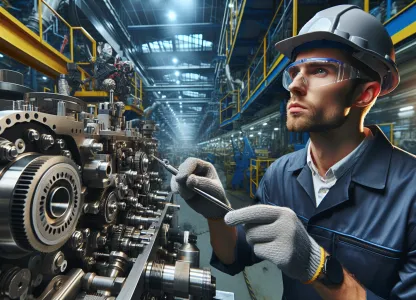
A quality technician in mechanical engineering is responsible for ensuring that machines, processes, and final products meet established quality standards. Tasks often include monitoring manufacturing processes, sampling, analyzing measurement data, and reporting deviations. The role also involves identifying areas for improvement, participating in quality audits, and collaborating with production, development, and suppliers. The work environment varies between production floors and office settings, where technical tools and advanced measurement equipment are used daily. Good communication skills and a meticulous, analytical mindset are often required to succeed in the profession.
Read more ->
A quality technician in chemical engineering works to ensure and improve quality in manufacturing and processes involving chemical products or procedures. Common tasks include sampling, analysis, documentation, evaluation of production data, as well as development and implementation of quality routines. The role often involves close collaboration with production, laboratories, and development departments to identify and address quality deviations. The work environment is varied and can include both laboratory and production settings, where safety regulations and precision are central. Communication with internal and external partners is common to ensure compliance with quality requirements and legislation.
Read more ->-

Opinion Landscape: Novus February 2026 – Social Democrats Still Largest
Thu, 19 Feb 2026 - 01:35 -

Policy rate remains at 1.75% – Riksbank signals stability
Thu, 29 Jan 2026 - 14:02


A quality technician in electric power works to ensure that electrical and energy systems meet high standards for safety, reliability, and efficiency. Tasks often include planning and conducting quality inspections, testing electrical components, troubleshooting, and following up on quality deviations. The role also involves documenting processes and results, as well as collaborating with engineers, technicians, and production staff to continuously improve systems and routines. The work environment varies between offices, laboratories, and production facilities, with elements of both practical fieldwork and administrative tasks.
Read more ->
A quality technician in electronics is responsible for ensuring that products and processes meet the requirements for functionality, durability, and safety. The role often involves developing, implementing, and monitoring quality routines in manufacturing or product development. It is common for the technician to work closely with production, development, and sometimes suppliers to identify and prevent faults. The work environment is varied and can include office work, practical tasks in laboratories, production facilities, or testing sites. Precision, analytical skills, and good communication are central qualities in the profession.
Read more ->
A quality coordinator in healthcare and social care works on developing, implementing, and following up on quality initiatives within operations such as elder care, support for individuals with disabilities, or healthcare services. Tasks include analyzing routines, designing guidelines, ensuring compliance with laws and regulations, and training and supporting staff in quality matters. The role often involves leading projects, managing deviations, and initiating improvement efforts to enhance patient safety and user experience. The work environment is typically office-based, but the role also involves close collaboration with managers, healthcare staff, and sometimes external actors, requiring good communication skills and the ability to handle complex issues.
Read more ->
A quality coordinator within road and water is responsible for ensuring that construction and infrastructure projects meet current quality requirements, norms, and standards. Tasks include developing, implementing, and following up on quality management systems, conducting internal audits, and supporting project managers and technicians in quality matters. The role also involves identifying risks and proposing improvements, as well as creating documentation required to demonstrate compliance with laws and regulations. The work environment is often varied: both office work with documentation and analysis, as well as site visits at construction sites where coordination and communication with different professional groups are central.
Read more ->
A quality coordinator in telecommunications is responsible for ensuring that the company's products, services, and processes meet high-quality standards. Tasks include developing, implementing, and monitoring quality management systems, analyzing and reporting quality data, and leading improvement projects. The role requires close collaboration with technical teams, project managers, and sometimes external suppliers. Work is often office-based but may also involve site visits and audits of partners. The pace is often fast, demanding structured problem-solving, accuracy, and good communication skills.
Read more ->
A quality coordinator in textile, wood, and related industries is responsible for ensuring that products and processes meet the highest possible quality standards. The work involves developing, implementing, and following up on quality routines, as well as training staff in quality matters. Regular contact with production teams, suppliers, and sometimes customers is common, along with analyzing results from quality inspections and proposing improvements. The work environment is often varied, including both office work and presence in production facilities to oversee quality efforts on-site.
Read more ->
A Quality Coordinator in organizational development is responsible for developing, implementing, and monitoring quality processes within an organization. This involves analyzing existing routines, identifying areas for improvement, and leading projects to enhance operational efficiency and quality. The role often involves collaboration with management teams, department heads, and sometimes external partners. The work environment is primarily office-based and characterized by strategic planning, documentation, and regular meetings to ensure the organization’s quality and development goals are achieved.
Read more ->
A quality coordinator in chemical technical production is responsible for ensuring that production meets applicable quality requirements and certification standards. The work involves designing, implementing, and following up on quality processes, conducting internal and external audits, and analyzing deviations to prevent quality deficiencies. The role requires close collaboration with production teams, laboratories, and management to drive improvement efforts and maintain high safety and environmental standards. The work environment often combines office work with presence in the production environment, where precision, analytical skills, and communication are central qualities.
Read more ->