News and articles
- Home
- Articles






Latest posts

Cemetery technicians are responsible for maintaining and developing cemeteries, including everything from garden care and grave maintenance to planning new installations. Tasks vary depending on the season and the size of the operation but often include planting, pruning, mowing, snow removal, and handling machinery and tools. Contact with relatives and collaboration with colleagues are natural parts of the job. The work environment is primarily outdoors and involves both physical work and administrative tasks, especially regarding orders and documentation related to interments and maintenance.
Read more ->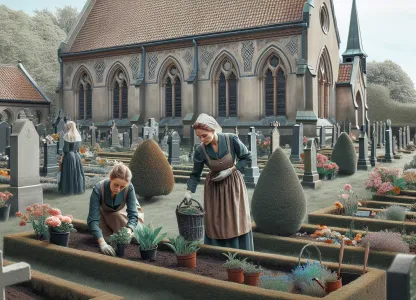
A cemetery manager is responsible for the operation, maintenance, and development of cemeteries and burial grounds. Tasks include managing staff, planning vegetation and green spaces, coordinating burials, and maintaining both green areas and technical installations. The role also involves contact with relatives, authorities, and contractors, requiring both administrative skills and sensitivity. The work environment varies between outdoor work in changing weather and indoor administrative tasks, often within the Swedish Church or other principal bodies.
Read more ->-

Opinion Landscape: Novus February 2026 – Social Democrats Still Largest
Thu, 19 Feb 2026 - 01:35 -

Policy rate remains at 1.75% – Riksbank signals stability
Thu, 29 Jan 2026 - 14:02


A Cemetery Supervisor is responsible for leading and coordinating daily operations at cemeteries. Tasks include planning and assigning work for staff, ensuring maintenance of green areas, gravesites, and buildings, as well as managing contact with relatives and suppliers. The role also involves administrative duties such as budget management and work environment issues. The work environment is characterized by outdoor work in various weather conditions and periods of indoor administrative tasks. There is a strong seasonal variation – the summer months often bring a higher pace and more tasks.
Read more ->
A cemetery manager is responsible for the operation, development, and maintenance of cemeteries and burial sites. Tasks include personnel management, budgeting, administration, and contact with relatives, contractors, and authorities. The workday often involves both outdoor activities and office work, especially during planting and maintenance seasons. The role requires good planning skills, leadership, and ensuring compliance with laws and regulations within the funeral sector. The work environment is often varied, involving physical and administrative elements, with collaboration between church and municipal actors being a central part of daily life.
Read more ->
A cemetery manager is responsible for the leadership and operation of cemeteries, which includes everything from planning construction work and maintaining green areas to personnel management and budgeting. The role also involves coordinating funeral activities and contact with relatives and authorities. The work environment is varied, involving both office work and presence outdoors on cemetery grounds. The position demands high levels of organization, leadership, service orientation, and understanding of church and societal ceremonies and traditions.
Read more ->
Cemetery workers are responsible for maintaining and caring for cemeteries and grave sites. Tasks include planting, lawn mowing, pruning bushes and trees, as well as maintaining pathways and green areas. An important part of the job is ensuring that gravesites are kept in good condition, which may include cleaning headstones and planting flowers. The work is largely outdoors and physically demanding, with significant seasonal variation in workload. Cemetery workers often work in small teams and may also have contact with relatives, requiring respectful and empathetic interaction.
Read more ->
A kyrkoadjunkt works within the Church of Sweden and plays a central role in the congregation's activities. Tasks often include teaching, pastoral care, confirmation work, and leading services and devotions. In many cases, the kyrkoadjunkt is also responsible for diaconal work, coordinating volunteers, and maintaining contacts with various community actors. The work environment is mostly based in the congregation's premises but can also include work in schools, home visits, or social services. The profession requires flexibility, good cooperation skills, and a strong engagement for people's well-being and spiritual development.
Read more ->
A Kypare primarily works in the restaurant industry and is responsible for serving food and drinks to guests in a professional and service-oriented manner. The profession involves daily contact with guests, focusing on creating a pleasant and welcoming atmosphere. Kypare handle orders, give recommendations, serve at the table, and ensure guest satisfaction throughout the visit. The work environment is often fast-paced and social, with varying working hours that may include evenings and weekends.
Read more ->
Refrigeration engineers in cooling and freezing plants are responsible for operation, monitoring, and maintenance of technical systems that handle cooling and freezing in industry, properties, and logistics centers. Tasks include temperature control, troubleshooting, repairs, and ensuring compliance with environmental and safety regulations. Work often takes place in machine rooms, technical spaces, and sometimes outdoors at facilities where it can be noisy and cold. Safety awareness is crucial, especially when handling refrigerants and working with pressurized systems.
Read more ->
A chicken farmer is responsible for raising and caring for chickens, often from hatching to slaughter weight. Tasks include daily supervision of the animals, feeding, health and growth monitoring, as well as managing ventilation and temperature in the barns. Hygiene routines are central to prevent diseases, and the work may also involve some administration related to animal husbandry and documentation. The work environment is often physical, involving work in barn settings, sometimes early mornings or weekends, requiring good physical condition and attention to detail.
Read more ->