- Salary statistics
- System administrator, computer technician salary
System administrator, computer technician salary
Latest available salary statistics are for 2025. Compare average pay, salary range and related job listings.
33 900 - 53 500 SEK / month
Women earn 94% of what men do.
Data/IT
Related tools
Salary progression System administrator, computer technician
What does a system administrator in IT do? – Tasks and work environment
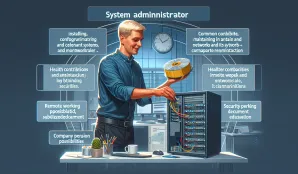
A system administrator in IT is responsible for installing, configuring, maintaining, and monitoring IT systems and networks within an organization. Common tasks include managing the operation and security of servers, networks, and workstations, as well as troubleshooting and providing user support. The role also involves handling backups, updates, and documentation of the IT environment. The work environment is often office-based, but work outside regular hours may be required for urgent issues or major system upgrades. The job requires close collaboration with IT colleagues, as well as contact with other departments to ensure the organization's digital infrastructure.
Salary development over time
The salary for system administrators, IT technicians has developed steadily in recent years. In 2022, the average salary was 45 400 SEK per month, increasing to 46 700 SEK in 2023 and further to 47 500 SEK in 2024. The total increase during this period is approximately 7%, reflecting high demand for skills in this area. Factors driving this development include digitization, increased complexity of IT environments, and ongoing needs for security and operational stability. The market is characterized by a clear shortage of qualified candidates, prompting employers to raise salaries to attract and retain the right expertise. Despite some automatic salary revisions, individual differences based on experience, education, and responsibility level are also evident.
System administrator, IT technician salary – comprehensive overview
- Average salary: 47 500 SEK/month
- Lowest salary: 34,200 SEK/month (woman, private sector employee, pre-secondary education)
- Highest salary: 50,500 SEK/month (man, private sector employee, secondary education, up to 2 years)
- Hourly wage: 281 SEK
- Gender differences: Men 48 200 SEK | Women 45 400 SEK (women earn 94 % of men's salary)
- Regional differences: Information about regional salary differences is unavailable
Education and qualifications
To work as a system administrator in IT, a post-secondary education in IT, computer engineering, or systems science is generally required. Many employers also value certifications and practical experience managing complex IT environments. Combining formal education with self-study and further training is common, as the technology field develops rapidly and new requirements constantly emerge.
- Post-secondary education: Vocational college, university, or higher education (2–3 years or more)
- Certifications: Examples include Microsoft, Cisco, Linux, or ITIL
- Internship/Trainee: Practical experience through internships or trainee programs is highly valuable
- Prerequisites: Basic IT knowledge, sometimes a high school diploma with an IT specialization
- Self-study/online courses: Courses and certifications via online platforms are common
System administrators often need to quickly familiarize themselves with new technologies and systems, making curiosity and a willingness to learn essential. The role often involves contact with both technical and human aspects – the ability to communicate is therefore as important as technical skills.
Common benefits and compensation
Common benefits for system administrators in IT include wellness allowances, remote work options, occupational pensions, and subsidized training. Many employers also offer flexible working hours, extra vacation days, and technical equipment such as mobile phones or computers. In addition to regular salary, bonuses or on-call compensation may be provided for work outside normal hours.
Competition and challenges
The profession of system administrator in IT is characterized by high competition for qualified candidates and a labor market where demand exceeds the supply of trained personnel. Despite many job openings and good future prospects, there are challenges in staying updated with constantly evolving technologies and security requirements. The role also entails responsibility for the organization’s most critical IT systems, which can lead to stress and high demands for availability. Recruitment difficulties are reported nationally, and employers often seek experienced specialists rather than recent graduates. There is also some mobility within the profession, as many choose to move into more specialized roles or leadership positions.
Tips for those wanting to become a system administrator in IT
To succeed as a system administrator, IT technician, it is good to be analytical and have a genuine interest in technology, which facilitates troubleshooting and problem-solving. Being precise and structured is important for managing complex systems and ensuring nothing is overlooked in operations or security routines. Flexibility and resilience to stress are crucial during unforeseen incidents, as quick decisions may be required. Strong communication skills help explain technical solutions to colleagues without an IT background. A willingness to continually learn new things is also essential, as technological development in the field is rapid and requires ongoing education.
Key facts about system administrator, IT technician
- Average salary: 47 500 SEK/month
- Education level: Post-secondary education (2–3 years or more)
- Work environment: Office-based, sometimes on-call outside office hours
- Job opportunities: Large, 179 available jobs in Sweden
- Gender salary difference: Women earn 94 % of men's salaries
Career paths and future prospects
After three to five years as a system administrator in IT, it is common to advance to roles such as IT architect, IT security specialist, or technical project manager. Some choose to deepen their expertise in specific technical areas, while others move into leadership roles like IT manager or operations director. According to the Swedish Public Employment Service's forecasts, opportunities for employment remain high within the profession, and demand is expected to stay unchanged over the coming five years. Paradoxically, recruitment difficulties are reported nationally, with many leaving the profession despite the shortage of experienced candidates. Digitalization and increased security requirements suggest that the profession will continue to be attractive and evolving in the long term.
Frequently asked questions about system administrator, IT technician
- What does a system administrator, IT technician earn?
- The average salary is 47 500 SEK per month, but it varies depending on experience, education, and employer. - What are the gender differences in salary for system administrators, IT technicians?
- Men earn an average of 48 200 SEK and women 45 400 SEK, meaning women earn about 94% of men's salaries. - What education is required to become a system administrator in IT?
- Post-secondary education in IT, computer engineering, or systems science is recommended, often supplemented with certifications. - What are the future prospects for the profession?
- The job market is very good with many opportunities, and demand is expected to remain unchanged over the next five years. - What are the highest and lowest salaries for system administrators, IT technicians?
- The highest salary is 50,500 SEK and the lowest 34,200 SEK depending on gender, education, and employment type. - Are there regional salary differences?
- Current information about regional differences is unavailable, but variations may occur depending on location and labor market. - What benefits are most common in the profession?
- Wellness allowances, remote work options, occupational pensions, and subsidized training are common benefits.

Salary distributed by age and sector
| Age | Base salary | Monthly salary | |
|---|---|---|---|
| 25-34 | 95% | 41800 kr | 43200 kr |
| 35-44 | 88% | 47100 kr | 48000 kr |
| 45-54 | 92% | 49800 kr | 51100 kr |
| 55-64 | 97% | 50100 kr | 51400 kr |
| Snitt | 94% | 46200 kr | 47500 kr |
| Age | Base salary | Monthly salary | |
|---|---|---|---|
| 18-24 | 34500 kr | 36000 kr | |
| 25-34 | 95% | 40600 kr | 41400 kr |
| 35-44 | 98% | 45100 kr | 45700 kr |
| 45-54 | 95% | 46700 kr | 47000 kr |
| 55-64 | 100% | 47700 kr | 48000 kr |
| 65-68 | 87% | 46100 kr | 46300 kr |
| Snitt | 97% | 45700 kr | 46100 kr |
| Age | Base salary | Monthly salary | |
|---|---|---|---|
| 18-24 | 34500 kr | 36000 kr | |
| 25-34 | 95% | 40600 kr | 41400 kr |
| 35-44 | 98% | 45100 kr | 45700 kr |
| 45-54 | 95% | 46700 kr | 47000 kr |
| 55-64 | 100% | 47700 kr | 48000 kr |
| 65-68 | 87% | 46100 kr | 46300 kr |
| Snitt | 97% | 45700 kr | 46100 kr |
| Age | Base salary | Monthly salary | |
|---|---|---|---|
| 25-34 | 95% | 41900 kr | 43300 kr |
| 35-44 | 86% | 47400 kr | 48400 kr |
| 45-54 | 90% | 50600 kr | 52200 kr |
| 55-64 | 96% | 50900 kr | 52600 kr |
| Snitt | 94% | 46300 kr | 47700 kr |
| Age | Base salary | Monthly salary | |
|---|---|---|---|
| 25-34 | 95% | 41900 kr | 43300 kr |
| 35-44 | 86% | 47400 kr | 48400 kr |
| 45-54 | 90% | 50600 kr | 52200 kr |
| 55-64 | 96% | 50900 kr | 52600 kr |
| Snitt | 94% | 46300 kr | 47700 kr |
| Age | Base salary | Monthly salary | |
|---|---|---|---|
| 25-34 | 95% | 42000 kr | 43600 kr |
| 35-44 | 88% | 48700 kr | 50000 kr |
| 45-54 | 92% | 51000 kr | 52300 kr |
| 55-64 | 97% | 50500 kr | 51800 kr |
| Snitt | 94% | 46800 kr | 48200 kr |
| Age | Base salary | Monthly salary | |
|---|---|---|---|
| 18-24 | 34600 kr | 35900 kr | |
| 25-34 | 95% | 41000 kr | 41900 kr |
| 35-44 | 98% | 45300 kr | 46000 kr |
| 45-54 | 95% | 47200 kr | 47500 kr |
| 55-64 | 100% | 47600 kr | 48000 kr |
| 65-68 | 87% | 47600 kr | 47900 kr |
| Snitt | 97% | 45900 kr | 46400 kr |
| Age | Base salary | Monthly salary | |
|---|---|---|---|
| 18-24 | 34600 kr | 35900 kr | |
| 25-34 | 95% | 41000 kr | 41900 kr |
| 35-44 | 98% | 45300 kr | 46000 kr |
| 45-54 | 95% | 47200 kr | 47500 kr |
| 55-64 | 100% | 47600 kr | 48000 kr |
| 65-68 | 87% | 47600 kr | 47900 kr |
| Snitt | 97% | 45900 kr | 46400 kr |
| Age | Base salary | Monthly salary | |
|---|---|---|---|
| 25-34 | 95% | 42100 kr | 43700 kr |
| 35-44 | 86% | 49300 kr | 50600 kr |
| 45-54 | 90% | 52100 kr | 53700 kr |
| 55-64 | 96% | 51500 kr | 53200 kr |
| Snitt | 94% | 47000 kr | 48500 kr |
| Age | Base salary | Monthly salary | |
|---|---|---|---|
| 25-34 | 95% | 42100 kr | 43700 kr |
| 35-44 | 86% | 49300 kr | 50600 kr |
| 45-54 | 90% | 52100 kr | 53700 kr |
| 55-64 | 96% | 51500 kr | 53200 kr |
| Snitt | 94% | 47000 kr | 48500 kr |
| Age | Base salary | Monthly salary | |
|---|---|---|---|
| 25-34 | 95% | 40900 kr | 41500 kr |
| 35-44 | 88% | 43400 kr | 43800 kr |
| 45-54 | 92% | 46500 kr | 47900 kr |
| 55-64 | 97% | 49200 kr | 50500 kr |
| Snitt | 94% | 44500 kr | 45400 kr |
| Age | Base salary | Monthly salary | |
|---|---|---|---|
| 25-34 | 95% | 39500 kr | 39900 kr |
| 35-44 | 98% | 44200 kr | 44900 kr |
| 45-54 | 95% | 44700 kr | 45000 kr |
| 55-64 | 100% | 47900 kr | 48000 kr |
| 65-68 | 87% | 41400 kr | 41400 kr |
| Snitt | 97% | 44900 kr | 45200 kr |
| Age | Base salary | Monthly salary | |
|---|---|---|---|
| 25-34 | 95% | 39500 kr | 39900 kr |
| 35-44 | 98% | 44200 kr | 44900 kr |
| 45-54 | 95% | 44700 kr | 45000 kr |
| 55-64 | 100% | 47900 kr | 48000 kr |
| 65-68 | 87% | 41400 kr | 41400 kr |
| Snitt | 97% | 44900 kr | 45200 kr |
| Age | Base salary | Monthly salary | |
|---|---|---|---|
| 25-34 | 95% | 41000 kr | 41600 kr |
| 35-44 | 86% | 43300 kr | 43700 kr |
| 45-54 | 90% | 46800 kr | 48500 kr |
| 55-64 | 96% | 49600 kr | 51300 kr |
| Snitt | 94% | 44400 kr | 45500 kr |
| Age | Base salary | Monthly salary | |
|---|---|---|---|
| 25-34 | 95% | 41000 kr | 41600 kr |
| 35-44 | 86% | 43300 kr | 43700 kr |
| 45-54 | 90% | 46800 kr | 48500 kr |
| 55-64 | 96% | 49600 kr | 51300 kr |
| Snitt | 94% | 44400 kr | 45500 kr |

About the data
All information displayed on this page is based on data from the Swedish Central Bureau of Statistics (SCB), the Swedish Tax Agency and the Swedish employment agency. Learn more about our data and data sources here.
All figures are gross salaries, meaning salaries before tax. The average salary, or mean salary, is calculated by adding up the total salary for all individuals within the profession and dividing it by the number of individuals. For specific job categories, we have also considered various criteria such as experience and education.
Profession System administrator, computer technician has the SSYK code 3513, which we use to match against the SCB database to obtain the latest salary statistics.
-

Kubernetes Operations Engineer (Mid–Senior) – Security Clearance P4
System administrators
Tue, 14 Jul 2026 - 21:09 -
Technical Lead – Teamcenter (PLM, Configurator & Integration)
System administrators
Mon, 13 Jul 2026 - 21:59 -

System Developer/Analyst for Social Services in Enköping
System administrators
Mon, 13 Jul 2026 - 21:16


Compare salary, work tasks and job outlook in adjacent occupations to find roles with similar skills or pay levels.
-

Communication technician salary
Average salary: 49 500 SEK/month • Data/IT
Network and system technicians etc.
Compare with System administrator, computer technician
Tue, 14 Jul 2026 - 10:59 -

Average salary: 45 400 SEK/month • Data/IT
Webmasters and web administrators
Compare with System administrator, computer technician
Tue, 14 Jul 2026 - 17:51 -

Project manager, IT, IT security salary
Average salary: 57 800 SEK/month • Data/IT
IT security specialists
Compare with System administrator, computer technician
Tue, 14 Jul 2026 - 17:13 -

Average salary: 40 600 SEK/month • Data/IT
Support technicians, IT
Compare with System administrator, computer technician
Tue, 14 Jul 2026 - 21:16 -

Average salary: 57 800 SEK/month • Data/IT
IT security specialists
Compare with System administrator, computer technician
Tue, 14 Jul 2026 - 17:13 -

Computer consultant, system development salary
Average salary: 55 500 SEK/month • Data/IT
Software and system developers etc.
Compare with System administrator, computer technician
Tue, 14 Jul 2026 - 15:44


