News and articles
- Home
- Articles






Latest posts

A Quality Engineer in telecommunications works to ensure that technical systems, products, and services within the telecom sector meet high standards of quality and safety. Tasks often include process analysis, development and implementation of quality standards, as well as testing and troubleshooting networks and equipment. The work is conducted in close collaboration with development engineers, production staff, and sometimes customers, to identify areas for improvement and prevent quality issues. The work environment is usually office-based with elements of laboratory or field work, especially during major network upgrades or the launch of new telecom services.
Read more ->
A quality engineer in mechanical engineering works to ensure that products, processes, and manufacturing meet high standards of quality and safety. Common tasks include analyzing manufacturing processes, developing and implementing quality controls, and troubleshooting deviations. The work often involves close collaboration with production, development, and management to continuously improve routines and workflows. The work environment can vary between office settings and physical inspections at production facilities, requiring both technical skills and communication abilities.
Read more ->-

Opinion Landscape: Novus February 2026 – Social Democrats Still Largest
Thu, 19 Feb 2026 - 01:35 -

Policy rate remains at 1.75% – Riksbank signals stability
Thu, 29 Jan 2026 - 14:02


A quality engineer in pharmaceutical manufacturing is responsible for ensuring that the production of medicines complies with both internal and external quality requirements. Tasks include process control and validation, documentation, deviation management, and collaboration with production, research, and authorities. The role requires meticulous and analytical work methods, often working in cross-functional teams to identify and prevent quality issues. The work environment is typically laboratory- and office-based, with elements of work in cleanroom environments and production facilities, where high standards of hygiene and safety are maintained.
Read more ->
A quality engineer in chemical engineering works to ensure that products, processes, and manufacturing methods within the chemical industry meet high-quality standards. Tasks often include developing and implementing quality systems, carefully monitoring production processes, analyzing deviations, and improving routines. The role also involves documenting and reporting quality data, collaborating with production and laboratories, and training colleagues in quality matters. The work environment can vary between laboratories, production facilities, and offices, where safety routines and precision are central elements of daily work.
Read more ->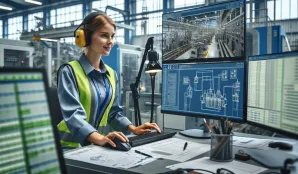
A quality engineer in electrical power works to ensure that electrical systems, products, and installations meet high quality standards. The role involves developing and monitoring quality control procedures, analyzing and preventing faults, and participating in audits and certifications. It often involves close collaboration with project managers, designers, and production engineers to identify areas for improvement and implement measures. The work environment is generally office-based but can also include visits to industrial facilities, power stations, or construction sites, where safety and environmental considerations are central. Digital tools and advanced measurement equipment are a natural part of daily work.
Read more ->
A quality engineer in electronics is responsible for ensuring that products and processes within the electronics industry meet both internal and external quality standards. Tasks include developing, implementing, and following up on quality routines, analyzing measurement data, resolving quality issues, and collaborating with production and development teams to drive improvement initiatives. The role often involves conducting audits, liaising with suppliers, and documenting quality processes. The work environment is usually technically advanced and can be based in an office, laboratory, or near production facilities, depending on the company's focus.
Read more ->
A Quality Engineer in construction and civil engineering plays a central role in ensuring quality in projects within the construction sector. The job includes tasks such as designing, implementing, and monitoring quality management systems, conducting inspections and audits, as well as analyzing and reporting deviations. The work often involves collaborating with project managers, site supervisors, and other technical specialists to identify risks and ensure compliance with laws, standards, and customer requirements. The work environment varies between office work and regular visits to construction sites, requiring flexibility and the ability to work systematically under time pressure.
Read more ->
A quality assessor within food is responsible for inspecting and ensuring that food products meet applicable quality requirements, laws, and standards. The tasks include sampling, analyzing raw materials and finished products, as well as documenting and reporting deviations. The work often takes place in laboratory environments or directly in production facilities, requiring accuracy and great attention to detail. The role also involves collaboration with production personnel and sometimes contact with authorities during quality checks.
Read more ->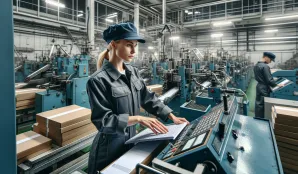
An envelope machine operator is responsible for monitoring, controlling, and maintaining machines used to manufacture and process envelopes within the paper products industry. Tasks include preparing materials, starting and adjusting machines, supervising the production process, and performing basic troubleshooting and maintenance. The work often involves handling large machines in environments where precision and accuracy are crucial to ensure high quality of the final product. The working environment is typically industrial, with elements of monotonous tasks and sometimes high pace, where safety and teamwork are central parts of daily life.
Read more ->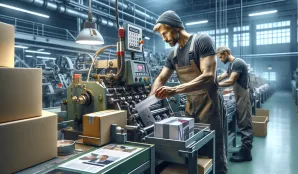
A Kuverteringsmaskinskötare is responsible for monitoring and managing machines used to automatically fold, insert, and seal letters and parcels into envelopes. Tasks include starting and setting up machines, refilling materials, monitoring production flow, and performing basic maintenance and troubleshooting during operation. The work is often carried out in production environments with high pace, where accuracy and technical understanding are crucial to ensure quality and efficiency. Many workplaces operate in shifts, meaning work at different times of the day.
Read more ->