News and articles
- Home
- Articles






Latest posts

An organizational secretary in public administration works to coordinate, develop, and administer the internal organization within agencies, municipalities, or other public entities. Tasks often include planning and conducting meetings, writing minutes, managing documents, and providing support to management groups and committees. The role may also involve investigation work, communication with various stakeholders, and responsibility for following up on decisions and guidelines. The work environment is usually office-based, with a strong focus on structure, accuracy, and good collaboration skills in a often rule-driven and complex organization.
Read more ->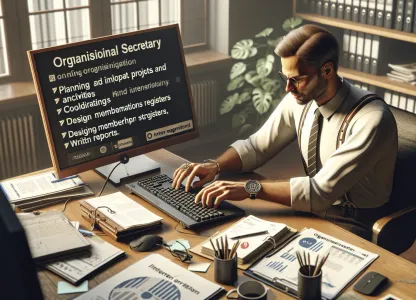
An organizational secretary in an interest organization is responsible for coordinating and administering activities within various types of membership and advocacy organizations. Tasks often include meeting planning, minute-taking, member communication, document management, and supporting the board and management. The role requires organizational skills, the ability to handle complex information, and good communication skills. The work environment is typically office-based, with elements of meetings, digital collaboration, and occasional high-paced periods during annual meetings or major events. The contact points are numerous, both internally and externally, which demands good collaboration skills and sometimes negotiation techniques.
Read more ->-

Opinion Landscape: Novus February 2026 – Social Democrats Still Largest
Thu, 19 Feb 2026 - 01:35 -

Policy rate remains at 1.75% – Riksbank signals stability
Thu, 29 Jan 2026 - 14:02


An organizational consultant works with analyzing, developing, and streamlining company and organization structures, processes, and work methods. The role often involves identifying problem areas, proposing improvement measures, and implementing new strategies to enhance the organization's ability to achieve its goals. The consultant collaborates closely with management and staff, leads workshops and training sessions, and carries out change projects. The work environment is characterized by a fast pace, varied workplaces, and a high demand for teamwork and analytical thinking. The work is often conducted on-site at client companies, but digital collaboration and office work are also common.
Read more ->
An organizational lawyer works on interpreting, applying, and developing legal regulations within companies, authorities, or organizations. Common tasks include providing legal advice to management and operations, reviewing contracts, negotiating, drafting legal documents, and representing the employer in legal contexts. The work environment is usually office-based and characterized by a fast pace, with collaboration with other specialists and managers common. Organizational lawyers are expected to have a good understanding of both law and organizational management, often working with complex issues that require careful analysis and integrity.
Read more ->
A security guard is responsible for maintaining order and safety at public places such as subways, squares, events, and in some cases within courts or other government environments. The profession involves preventing and intervening in disturbances, managing conflicts, and collaborating with police and other authorities when needed. The work environment is often characterized by shift work, sometimes late evenings and weekends, and varying workplaces where both physical and mental stress can occur. A security guard needs to be prepared for quick adjustments and have a high level of readiness to handle unforeseen situations with calmness and professionalism.
Read more ->
A public order officer primarily works to maintain public order and safety in society. Tasks include routine patrols, interventions at crimes and disturbances, custody, and preventive crime work. They are often the first on scene at accidents or crimes and are responsible for securing evidence, protecting crime scenes, and providing support to victims. The work environment is varied and can be physically and mentally demanding, as work takes place both outdoors and indoors, often during irregular hours. The profession involves close contact with the public and requires strong communication skills, calmness, and decisiveness under pressure.
Read more ->
An order picker, forklift driver primarily handles and transports goods in warehouses and terminals. Common tasks include picking items according to orders, loading and unloading goods, and operating various types of forklifts – such as counterbalance and reach trucks. The work is often carried out in large warehouse facilities where the pace can be high and good organization is required to ensure correct deliveries. The work environment can vary depending on the season and the size of the workplace, but often involves shift work and sometimes heavy lifting. Safety routines and accuracy are central to the profession, as forklift driving demands skill and responsibility.
Read more ->
An order picker works manually picking goods in warehouses, distribution centers, or within industry. The tasks involve using pick lists or digital systems to locate, pick, and package products for delivery to customers or stores. The work is often performed standing and requires both physical endurance and accuracy, as each order must be handled correctly and efficiently. The work environment can vary from temperature-controlled warehouses to noisier and more intense industrial premises, and work often occurs in shifts, including day, evening, and weekend shifts.
Read more ->
An order planner is responsible for coordinating and optimizing the flow of orders within an organization, often in manufacturing companies or logistics-intensive operations. Tasks include receiving and registering customer orders, planning production and deliveries, and ensuring resources and materials are available on time. Collaboration with purchasing, production, warehousing, and sales is common to ensure a smooth supply chain. The work is mainly performed in an office setting, sometimes close to production, requiring both analytical skills and good communication with colleagues and customers.
Read more ->
An order receptionist is responsible for receiving, registering, and following up on customer orders in various industries, often within retail, manufacturing, or logistics. The tasks include administrative and customer-facing duties, such as handling orders via phone, email, or digital systems, answering customer inquiries, and ensuring deliveries are made as agreed. The role requires accuracy, service orientation, and the ability to work systematically under time pressure. The work environment is usually office-based, with daily contact with customers and internal departments such as warehousing and sales.
Read more ->