News and articles
- Home
- Articles






Latest posts
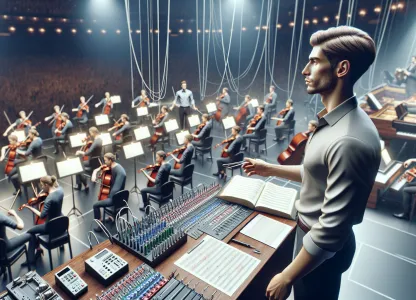
An orchestra technician is responsible for creating optimal conditions for the orchestra's work, both before and after concerts and rehearsals. Tasks include preparing and arranging stages, chairs, sheet music stands, and other equipment according to the orchestra's and conductor's wishes. The role also involves handling instrument transportation, performing minor repairs, and sometimes assisting with sound and light setups. The work environment is often dynamic and requires great flexibility, as working hours can vary depending on events and concerts. The orchestra technician works closely with musicians, technicians, and production staff, which demands service-mindedness and the ability to work under pressure.
Read more ->
A bandleader in popular music is responsible for leading and coordinating musicians during rehearsals and performances, often within genres such as pop, rock, jazz, or soul. The role involves interpreting and conveying musical vision, arranging music, and ensuring that the ensemble works towards common goals. The work environment can vary from concert halls and studios to festivals and smaller stages, and duties include both artistic leadership and practical planning. Flexibility, precision, and good communication skills are essential to handle the fast-paced changes and often irregular hours in the industry.
Read more ->-

Opinion Landscape: Novus February 2026 – Social Democrats Still Largest
Thu, 19 Feb 2026 - 01:35 -

Policy rate remains at 1.75% – Riksbank signals stability
Thu, 29 Jan 2026 - 14:02


An orchestra conductor in classical music is responsible for leading, conducting, and coordinating an orchestra during concerts, performances, and rehearsals. The role includes musical leadership, interpretation of scores, selection of repertoire, and artistic expression in collaboration with musicians and sometimes soloists or choirs. The work environment features intensive rehearsal periods and performances in front of audiences, often in concert halls, opera houses, or recording studios. The conductor plays a central role in the artistic process and ensuring ensemble cohesion, discipline, and musical quality, where each member contributes to the overall result.
Read more ->
An original illustrator works with creating and finalizing graphic material for print or digital publication. Tasks often include developing illustrations, designing layouts for ads, brochures, packaging, and other visual materials according to the client’s or employer’s graphic profile. The role involves close collaboration with art directors, graphic designers, and sometimes direct contact with printers or web developers. The work environment is usually office-based, often in creative settings at advertising agencies, design studios, or in-house departments at larger companies. Many original illustrators work with digital tools and software such as Adobe Creative Suite in an environment where quick deliveries and deadlines are part of everyday life.
Read more ->
An Originalmontör primarily works with preparing and compiling printing originals for printing. Tasks include digital image editing, layout, color correction, and adaptation of materials for various printing techniques. The role often involves close collaboration with graphic designers, printers, and clients to ensure the final product meets both technical and aesthetic requirements. The work environment is usually office- or production-based, where modern computers and graphic production software are central tools. The pace can vary with production cycles and deadlines, and precision and attention to detail are essential qualities for the profession.
Read more ->
An Originalare primarily works on finalizing graphic materials for print and digital publication. The role involves developing, adapting, and quality-assuring original files for advertisements, catalogs, brochures, or digital platforms. The work is often done in close collaboration with graphic designers, project managers, and sometimes directly with clients. The work environment is generally office-based, with access to advanced computer programs and sometimes tight deadlines. Precision, technical understanding, and the ability to handle multiple projects simultaneously are key qualities for success in the role.
Read more ->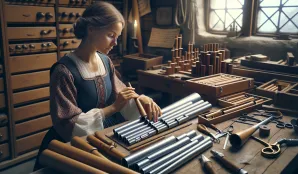
An organ pipe maker works with manufacturing, repairing, and restoring organ pipes for church organs and other types of organs. The profession combines traditional craftsmanship with advanced acoustic knowledge, as each pipe must be designed and adjusted to produce the correct tone and pitch. The work environment can vary between small workshops, larger organ building companies, and field sites, such as churches during installation and maintenance of instruments. It is common for work to be performed in small teams, often requiring great precision, concentration, and patience.
Read more ->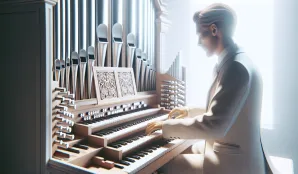
An organist is responsible for playing the organ during church services, holidays, and other religious ceremonies, but may also perform at concerts and events outside the church environment. Duties often include leading choirs, collaborating with priests and other musicians, as well as arranging and sometimes composing music. The role requires musical leadership, improvisation skills, and the ability to adapt the repertoire to different contexts. The work environment is usually churches or other larger gathering places where the organ is central, and working hours may include evenings, weekends, and holidays depending on the activity schedule.
Read more ->
An organic chemist works with studying, analyzing, and developing chemical compounds containing carbon, often focusing on substances such as pharmaceuticals, polymers, dyes, and biologically active molecules. Tasks include synthesizing new molecules, quality control, analysis with advanced laboratory equipment, and documenting research results. The profession often involves collaboration in interdisciplinary projects and close contact with other chemists, biologists, and engineers. The work environment is primarily laboratory-based, with high demands on safety, precision, and the ability to handle advanced technology.
Read more ->
An organizational developer works on analyzing, developing, and streamlining organizational structures, processes, and work cultures. Tasks often include identifying areas for improvement, leading change projects, facilitating workshops, and implementing new working methods together with management and employees. The role requires close collaboration with various departments and stakeholders within the organization, with a focus on strengthening leadership, work environment, and innovation capacity. The work environment is typically office-based but can also include travel and on-site work at clients or different operational units.
Read more ->