News and articles
- Home
- Articles






Latest posts

An order controller is responsible for managing and monitoring order flows within a company, with a particular focus on ensuring accurate deliveries, follow-up on orders, and administration of related documentation. The work often involves contact with both suppliers and customers, where accuracy and a structured approach are crucial. The work environment is usually office-based but can also include some presence in warehouse or production environments depending on the company's operations. Digital order management systems and enterprise resource planning (ERP) systems are used daily, requiring good IT skills and communication abilities.
Read more ->
An order clerk is responsible for managing and administering incoming and outgoing orders within a company, often in close collaboration with sales, warehouse, and customer service. Tasks include receiving orders, registering and following up on orders, and ensuring deliveries are on time. Communication with customers and internal departments is a key part of the job, as well as handling complaints and deviations. The work environment is primarily office-based and characterized by periods of high pace, especially during campaigns or seasonal variations.
Read more ->-

Opinion Landscape: Novus February 2026 – Social Democrats Still Largest
Thu, 19 Feb 2026 - 01:35 -

Policy rate remains at 1.75% – Riksbank signals stability
Thu, 29 Jan 2026 - 14:02


An Orderingenjör is responsible for managing, coordinating, and following up on orders within manufacturing or process industries. Tasks include order receipt, contact with customers and suppliers, production planning, and monitoring deliveries and logistics. The role often involves close collaboration with sales, production, and purchasing to ensure customer requirements are met efficiently. The work environment is typically office-based but may also include visits to production sites or customer locations, requiring both structure and flexibility.
Read more ->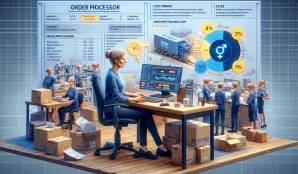
Order handlers play a central role in a company's logistics and sales chain, responsible for receiving, registering, and following up on customer orders from start to delivery. Tasks include managing order flows, communicating with customers and suppliers, ensuring correct products are delivered on time, and resolving any issues that arise during the process. The role often involves working with business systems and digital tools, typically in an office environment with a fast pace and high demands for accuracy. Collaboration with colleagues in sales, purchasing, and warehousing is common, requiring high levels of service orientation and organizational skills.
Read more ->
An order allocator is responsible for coordinating and distributing incoming order flows within a company, often within logistics, manufacturing, or wholesale operations. Tasks include receiving orders, prioritizing and scheduling deliveries, and ensuring that production or inventory management functions efficiently. The role also involves communicating with internal departments and external customers to optimize delivery processes and resolve any issues. The work environment is usually office-based but may also include elements of work in warehouses or production facilities, especially at larger companies or during periods of high workload.
Read more ->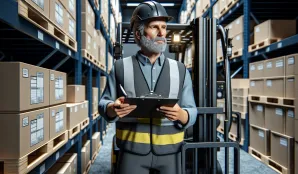
An order clerk, forklift driver primarily handles and dispatches orders within warehouses, logistics, or industry. The profession combines administrative tasks, such as recording and controlling order flows, with practical duties like operating forklifts and moving goods. Daily work includes picking, packing, and shipping items, ensuring timely deliveries, and maintaining inventory and documentation. The work environment is often dynamic and can be physically demanding and occasionally stressful, especially during peak periods or high workload seasons. Safety is a top priority, as the work involves handling heavy lifts and machinery, often working closely with colleagues and other departments within the organization.
Read more ->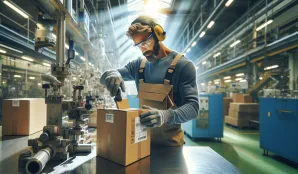
An order clerk is responsible for receiving, registering, and managing customer orders within industrial manufacturing and logistics. The role involves ensuring that customer orders are processed correctly and delivered on time, often requiring close collaboration with warehouse staff, transporters, and customer service. The work environment is typically office-based, but there are also roles in production or warehouse facilities. Precision and good organizational skills are crucial, as the order clerk often handles multiple cases simultaneously and must be able to prioritize tasks to keep the delivery flow efficient.
Read more ->
An Orderbevakare is responsible for monitoring and managing customer orders from receipt to delivery. Tasks include daily contact with customers and suppliers, follow-up on delivery times, registration of incoming and outgoing orders, and handling any deviations or complaints. The role requires precision, good administrative skills, and a strong sense of service. Orderbevakare often work in an office environment, either in purchasing departments within industry, wholesale companies, or larger retailers. The pace can be high at times, and the work environment is characterized by many parallel tasks and demands for quick adjustments.
Read more ->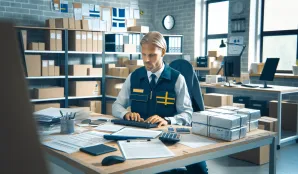
An order processor is responsible for managing and administering customer orders from receipt to delivery. Tasks include registering orders, following up on deliveries, contacting customers and suppliers, and coordinating with other departments to ensure goods and services are delivered according to agreed terms. The work is often office-based and fast-paced, where accuracy and good communication skills are crucial. Order processors typically work in teams and may have daily contact with internal and external parties, requiring good collaboration and flexibility.
Read more ->
An order assistant works with administering, monitoring, and following up on customer and supplier orders within companies and organizations. Common tasks include registering incoming orders, ensuring deliveries, communicating with customers and suppliers, as well as handling invoices and complaints. The work environment is often office-based and involves close contact both internally and externally. The role requires a high level of accuracy, good service skills, and the ability to handle multiple tasks simultaneously in a often fast-paced setting.
Read more ->