News and articles
- Home
- Articles






Latest posts

Special teachers in deaf education work to support and teach students who are deaf or have severe hearing impairments. The work often takes place in primary or secondary school special units but can also occur in adult education or special schools. Tasks include adapting teaching materials, designing individual educational plans, and collaborating with other professionals such as speech therapists, hearing pedagogues, and student health teams. Communication is often in Swedish Sign Language, which requires high language skills and cultural understanding. The work environment is characterized by close contact with students, varied workdays, and a great responsibility to create safe and inclusive learning environments.
Read more ->
A specialty chef works with preparing and composing advanced dishes, often focusing on specific cuisines or techniques. Tasks include everything from raw material handling and menu planning to leading kitchen teams and ensuring the highest quality of food. Specialty chefs are found in restaurants, hotels, conference facilities, and sometimes within the public sector. The work environment is often fast-paced and requires both creativity and precision, while hygiene standards and safety regulations must be strictly followed.
Read more ->-

Opinion Landscape: Novus February 2026 – Social Democrats Still Largest
Thu, 19 Feb 2026 - 01:35 -

Policy rate remains at 1.75% – Riksbank signals stability
Thu, 29 Jan 2026 - 14:02


A specialist dentist works with advanced dental care and diagnostics within a chosen area, such as oral surgery, orthodontics, or periodontology. The profession involves assessing, treating, and following up on complex patient cases that require in-depth expertise beyond the general dentist role. The specialist often collaborates in teams with other dentists, dental assistants, and sometimes doctors, especially within hospital dentistry or specialist clinics. The work environment is characterized by high demands for precision, accuracy, and teamwork, where both technology and patient contact are central parts of the daily work.
Read more ->
A specialist doctor is responsible for investigating, diagnosing, and treating patients within their medical specialty. The tasks vary depending on the focus area but often include advanced medical assessments, consultations, supervision of junior colleagues, and collaboration with other healthcare professionals. Specialist doctors usually work at hospitals, clinics, or practices and can participate in both planned and emergency care. The work environment is characterized by a fast pace, high responsibility, and ongoing education, while patient contact and the ability to influence people's health are central.
Read more ->
A Speaker is responsible for presenting, commenting, and conveying information at events, radio broadcasts, sports competitions, or in various media contexts. Tasks include introducing participants, guiding audiences and listeners, and creating atmosphere and engagement around the event. The work requires good language skills, presence in front of an audience, and the ability to adapt quickly to changing circumstances. The work environment can vary from large arenas and exhibition halls to radio studios and digital platforms, and workload varies depending on the nature and scope of assignments.
Read more ->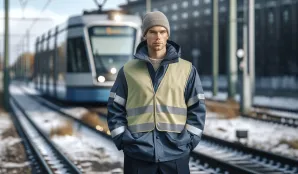
A Tram Conductor is responsible for the safety and monitoring of railway tracks, subways, and other track-based transportation routes. Tasks include regular inspections of tracks and switches, control of signaling systems, and fixing minor faults and deviations. Conductors often work outdoors and move along longer distances, sometimes around the clock, depending on traffic and maintenance needs. The work requires good physical fitness, precision, and the ability to make quick decisions in emergencies. Collaboration with train controllers, technicians, and other safety personnel is common.
Read more ->
A tram conductor is responsible for ensuring a safe and efficient journey for passengers onboard trams. Tasks include checking tickets, assisting travelers when needed, providing route information, and maintaining order within the cars. The job also involves handling conflicts or disturbances and responding quickly to accidents or technical issues. The work environment is characterized by mobility, contact with many people, and shift work, which can include early mornings and late evenings. Tram conductors often work in larger cities where public transport plays a central role, collaborating closely with drivers and other traffic personnel to ensure smooth traffic flow.
Read more ->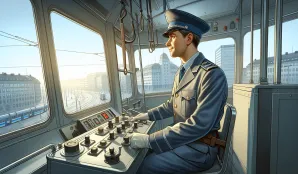
A tram driver is responsible for operating trams on the city's rail-based public transportation system, often in urban environments. The job involves following schedules, handling passenger inquiries, and ensuring that the journey is safe and efficient. Tasks also include monitoring the technical functions of the vehicle, reporting any faults, and managing unexpected traffic situations when necessary. Working hours are often shift-based, with early mornings, late evenings, and weekend work, which requires flexibility and the ability to work under varying conditions.
Read more ->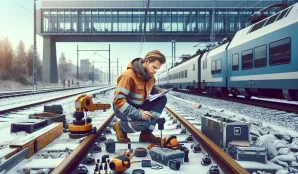
A track technician primarily works with monitoring, maintaining, and repairing railway tracks and related infrastructure. Tasks include inspecting rails, switches, and signaling systems, as well as fixing faults that may affect safety or operations. The role often requires outdoor work in varying weather conditions and sometimes during inconvenient hours, such as nights or weekends, to minimize traffic disruption. Track technicians collaborate closely with other technicians and engineers in construction and civil engineering to ensure the railway network functions efficiently and safely.
Read more ->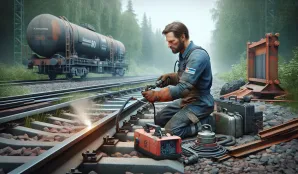
A track welder works with joining, repairing, and maintaining railway tracks and other track facilities. Tasks include welding rails, sleepers, and other components essential for ensuring safe and efficient train traffic. The work is often performed outdoors, sometimes at night or in bad weather, to minimize disruptions to train operations. Track welders collaborate closely with other railway professionals and often work in teams, where safety routines are central. The physical work environment requires good fitness and precision, as the work can be heavy and demanding.
Read more ->