News and articles
- Home
- Articles






Latest posts

An SOS operator is the first link between the public and society's emergency services. The job involves answering calls to the emergency number 112, quickly assessing the severity of the situation, and dispatching the appropriate assistance – whether it’s ambulance, rescue services, or police. The work is performed in shifts, often at control centers equipped with high-tech environments and advanced communication systems. The psychosocial work environment is characterized by a high pace, quick decision-making, and demands for accuracy, with a strong focus on empathy and communication.
Read more ->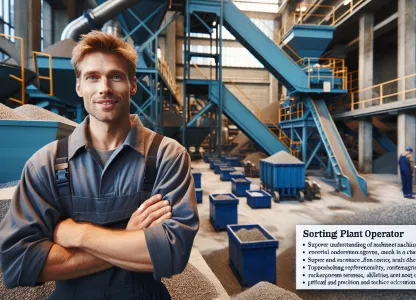
A sorting plant operator is responsible for monitoring and controlling machines and processes at a sorting plant, where raw materials such as stone, ore, or gravel are processed and separated. The work includes daily inspection and maintenance of technical equipment, troubleshooting during operational stoppages, and quality control of the produced material. The work environment is often industrial, with noise, dust, and heavy machinery, requiring safety awareness and precision. Communication with colleagues and other roles within production is an important part of daily life, as well as adapting to shift work and varying working conditions.
Read more ->-

Opinion Landscape: Novus February 2026 – Social Democrats Still Largest
Thu, 19 Feb 2026 - 01:35 -

Policy rate remains at 1.75% – Riksbank signals stability
Thu, 29 Jan 2026 - 14:02

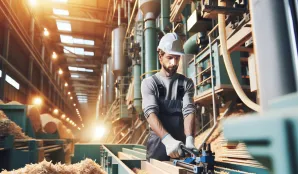
A sorter in the wood fiber industry primarily works with inspecting, sorting, and quality assessing wood fiber products before they proceed in production or are delivered to customers. The tasks often involve both manual and machine work where precision and speed are essential qualities. The work is typically carried out in production facilities, where the environment can be noisy and sometimes dusty, but it is also structured and follows clear safety routines. Collaboration with other operators and production staff is crucial to maintaining a steady workflow and high quality of the final product.
Read more ->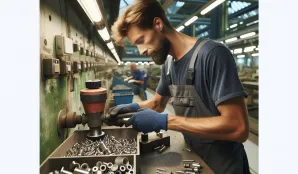
A sorter in metal products primarily works with sorting, inspecting, and sometimes preparing metal components for further processing or delivery. The tasks often involve examining details, separating materials by quality, size, or type, and ensuring that faulty or damaged products do not proceed in the production line. The environment is typically industrial with noise, heavy lifting, and sometimes monotonous tasks. Precision and good physical capacity are key qualities for success and enjoyment in the role.
Read more ->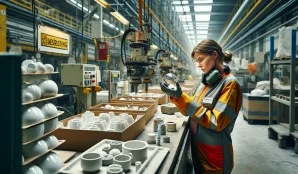
A sorter in glass and ceramics works with inspecting, sorting, and classifying products based on quality, shape, and potential defects. Tasks often include visual inspection of glass and ceramic items, removing products that do not meet quality standards, and reporting common faults to production management. The work usually occurs in production environments where precision, patience, and good physical condition are essential qualities. Both manual and machine-assisted tools are often used, and the work environment can be noisy and require protective gear to minimize exposure to dust and other particles.
Read more ->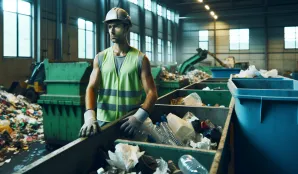
A waste sorter works with managing, sorting, and sometimes transporting waste and recyclable materials from households, businesses, and industries. The tasks often involve manual sorting of materials such as paper, plastic, metal, and hazardous waste, as well as monitoring machines and conveyor belts. In some cases, work may also include assessing and classifying waste for further processing or recycling. The work environment varies and can include outdoor and indoor work at recycling centers or sorting facilities. The profession requires good physical condition, attention to detail, and a high level of safety and hygiene awareness.
Read more ->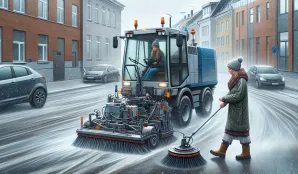
Sweeper machine operators are responsible for keeping streets, squares, industrial areas, and other public spaces clean by operating sweeper machines. The work involves daily maneuvering of specialized vehicles equipped to collect trash, gravel, and leaves. In addition to driving, it often includes basic maintenance of the machine, refilling consumables, and reporting obstacles or deviations in the work environment. The work environment can vary from quiet residential areas to busy city centers, and work is often performed outdoors year-round, requiring good preparedness for weather changes.
Read more ->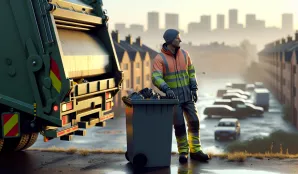
A waste collector is responsible for collecting household waste, recycling materials, and sometimes hazardous waste from homes, businesses, and public spaces. Tasks include physically demanding lifting and handling of waste bins, as well as driving specialized vehicles along predetermined routes. The work is performed outdoors in all seasons, meaning waste collectors often work in changing weather conditions and sometimes during early mornings or late evenings. Safety is a central aspect of the profession, as both traffic environments and heavy lifting require attention and proper execution.
Read more ->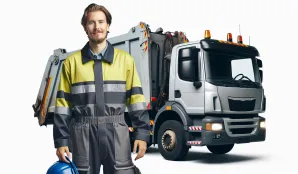
A garbage truck driver is responsible for collecting and transporting household waste, recycling materials, and sometimes hazardous waste from homes, businesses, and public places. The job involves driving specially equipped vehicles, often early mornings or late evenings, handling heavy lifting, and sometimes working in varying weather conditions. Safety and accuracy are crucial, as drivers often operate in densely populated areas and must consider traffic and pedestrians. The profession also requires good physical condition due to frequent stops and manual tasks.
Read more ->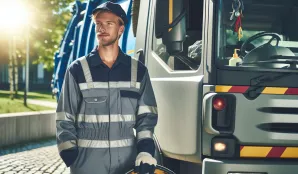
A waste collector is responsible for collecting and transporting household waste, recyclable materials, and bulky waste from homes, businesses, and public places. The work involves driving a garbage truck according to established routes, lifting and emptying containers, and sometimes handling hazardous or special waste. The working environment is often physically demanding, with outdoor work regardless of weather, and early mornings are common. Safety and teamwork are central parts of daily life, as waste collectors often work in teams and need to follow strict routines to reduce the risk of workplace accidents.
Read more ->