News and articles
- Home
- Articles






Latest posts
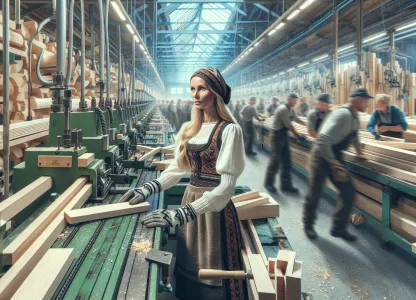
A nail gun operator in timber house manufacturing primarily works on assembling and joining wooden components for prefabricated houses and building elements. The work is often carried out in factories or larger workshops where the environment is characterized by machine-based production, high pace, and clear safety routines. The operator uses both hand tools and machinery to fasten studs, panels, and other wooden details according to drawings and production plans. Quality, precision, and the ability to work independently and in teams are central qualities, as the production must meet high standards and strict deadlines.
Read more ->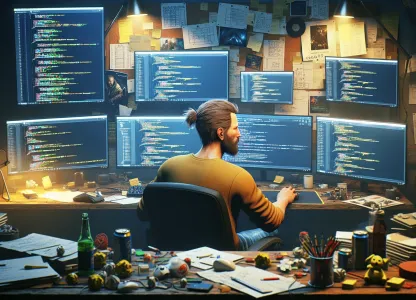
An IT game developer works on designing, programming, and developing digital games for various platforms such as computers, gaming consoles, and mobile devices. The profession often involves teamwork with roles such as programmers, graphic designers, sound designers, and project managers collaborating to create a complete gaming experience. Tasks can range from writing code and creating game systems to optimizing performance and ensuring user-friendly mechanics. The work environment is characterized by project-based work, often with deadlines and periods of intense focus, but also offers creative challenges and opportunities for innovation.
Read more ->-

Opinion Landscape: Novus February 2026 – Social Democrats Still Largest
Thu, 19 Feb 2026 - 01:35 -

Policy rate remains at 1.75% – Riksbank signals stability
Thu, 29 Jan 2026 - 14:02


A play therapist works with helping individuals who have problems with gambling addiction or risky gambling behaviors. Tasks include offering individual counseling, leading group treatments, and working on preventative measures to reduce gambling-related harm. Play therapists often collaborate with other professionals in social services, addiction treatment, and sometimes with relatives of those with gambling problems. The work environment is typically a treatment facility, a social office, or a clinic, where meetings with clients happen both physically and digitally. The job requires high empathy and good knowledge of addiction issues and current legislation.
Read more ->
A game operator in an amusement park's primary task is to staff and operate various game stations and attractions where visitors can participate in competitions, skill games, or chance-based games. The job involves welcoming visitors, explaining game rules, selling game tickets, monitoring proper gameplay, and ensuring prizes are awarded correctly. The role also requires handling cash and sometimes performing basic technical maintenance of game equipment. The work environment is often outdoors or in large halls with many people, high tempo, and varying working hours – especially during weekends, holidays, and summer seasons.
Read more ->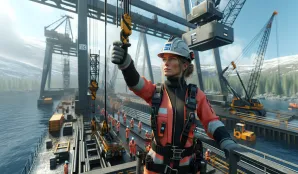
A spelskötare is responsible for operation and supervision of equipment primarily within the construction and civil engineering sectors, often managing and controlling various types of cranes and lifting devices. Tasks include ensuring that equipment is used safely and correctly, communicating with other trades on site, and performing basic maintenance on the equipment. The work is often outdoors and under varying weather conditions, requiring both precision and good physical condition. Safety is central, as the spelskötare bears significant responsibility for performing tasks without risk of accidents.
Read more ->
A Violinist is a professional musician specializing in folk music, often focusing on traditional instruments such as the violin, nyckelharpa, or accordion. Their work involves performing at concerts, festivals, dance evenings, or private events. The job also includes extensive rehearsals, both individually and in groups, as well as participating in recordings or teaching contexts. The working environment can range from concert halls and cultural centers to smaller stages, schools, or outdoor events. Flexibility and the ability to adapt to different audiences and settings are central to the profession.
Read more ->
A Game Host is responsible for leading, supervising, and organizing games at various types of gaming tables, often in casinos, gaming clubs, or digital environments. Tasks include explaining game rules, managing bets, ensuring fairness, and reporting any irregularities. The Game Host acts as a neutral party between players, ensuring rules are followed while contributing to a pleasant atmosphere at the table. The work environment can vary from traditional casinos to online platforms, requiring both social skills and technical understanding.
Read more ->
An arcade attendant is responsible for order and safety in various types of gaming arcades, such as casinos, entertainment centers, and larger gaming facilities. Tasks include preventing and managing conflicts, verifying age and identity of visitors, and monitoring gaming behavior to detect cheating or irregularities. The role also involves assisting guests with information, performing basic technical checks of gaming machines, and sometimes reporting incidents to police or management. The work environment is often characterized by shift work, high tempo, and a diverse mix of visitors, which requires social skills as well as the ability to stay calm in stressful situations.
Read more ->
A Spelhallsfunktionär is responsible for supervising and assisting with various gaming activities within arcades, casinos, or other entertainment venues. Tasks include welcoming and guiding visitors, ensuring game rules are followed, managing payouts, and preventing and reporting suspected cheating or irregularities. The role often requires working during inconvenient hours, such as evenings and weekends, and the work environment is characterized by a fast pace and many social contacts. It is important to handle stress, be service-minded, and act professionally in situations with high stakes and sometimes demanding guests.
Read more ->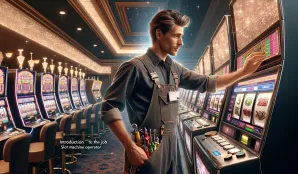
A slot machine attendant is responsible for operation, supervision, and maintenance of slot machines at locations such as casinos, gaming halls, and entertainment venues. Tasks include ensuring machines function correctly, handling technical faults, refilling coins and tickets, and assisting customers with problems or questions. The role often also involves cash handling, simple administration, and maintaining order in the gaming environment. The work environment is characterized by shift work, a fast pace, and regular contact with colleagues and customers in a lively setting.
Read more ->