News and articles
- Home
- Articles






Latest posts
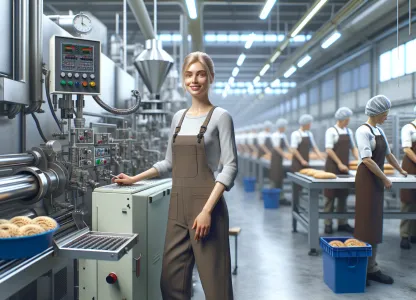
A spisbrödsarbetare is responsible for manufacturing spisbröd and similar bakery products, often in an industrial setting. Tasks include handling dough both mechanically and manually, supervising the baking process, quality control, and packaging finished products. The work takes place in production facilities with high hygiene standards and often involves shift work, including day and night shifts. The work environment can be noisy and sometimes warm due to large ovens and machinery used during production.
Read more ->
A spisbiträde primarily works in large kitchens, restaurants, schools, or other large food service establishments where support is needed to ensure efficient kitchen operations. The most common tasks include preparing raw ingredients, washing dishes, maintaining cleanliness in the kitchen, serving simple dishes, and sometimes assisting with basic cooking under the guidance of chefs or kitchen managers. The work is often physically demanding and involves many hours on your feet in an environment where the pace can be high, especially during lunch and dinner service. Spisbiträden are expected to work both independently and in teams, and the work environment is characterized by heat, noise, and sometimes stressful situations, but also by cooperation and clear routines.
Read more ->-

Opinion Landscape: Novus February 2026 – Social Democrats Still Largest
Thu, 19 Feb 2026 - 01:35 -

Policy rate remains at 1.75% – Riksbank signals stability
Thu, 29 Jan 2026 - 14:02

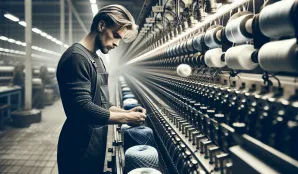
A spinning machine setter mainly works within the textile industry and is responsible for setting, monitoring, and maintaining spinning machines that convert fiber into yarn. The profession requires precision and technical knowledge, as both machine efficiency and the quality of the final product depend on correct settings. The work environment is often factory-based, where noise and repetitive motions may occur. A spinning machine setter often collaborates with other operators and technicians, and the work may involve shift work to maintain production around the clock.
Read more ->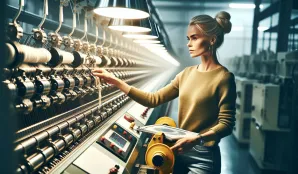
A Spinnmaskinskötare works with monitoring and maintaining spinning machines within the textile industry. The job involves starting, stopping, and adjusting machines to ensure yarn and thread are produced with the correct quality and according to specified standards. Common tasks include refilling raw materials, monitoring production flow, troubleshooting minor machine faults, and performing ongoing quality checks. The work environment is often characterized by noise, repetitive movements, and shift work, but modern facilities usually have good ventilation and ergonomic tools. The profession requires attention to detail and the ability to quickly handle technical problems.
Read more ->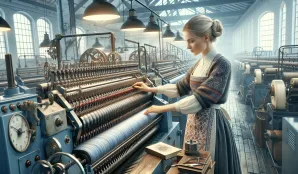
A spinning machine operator mainly works within the textile industry, monitoring, controlling, and maintaining spinning machines that turn fibers into yarn. The job involves preparing and loading raw materials into machines, adjusting settings to ensure consistent quality, and troubleshooting minor technical issues and machine stoppages. The operator is also responsible for quality control of the final product and documenting production data. The work environment is often factory-based and can be noisy and dusty, requiring precision, patience, and good physical health.
Read more ->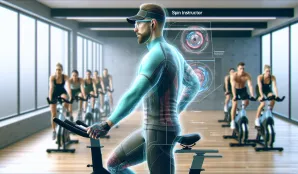
A spinning instructor leads group exercise classes on stationary bikes, often at gyms or training facilities. The work involves planning and conducting workouts where music, motivation, and technique are central. The instructor is responsible for adjusting intensity according to participants' levels, providing technical tips, and creating an inspiring and safe environment. The work environment is active and social, with contact with participants being key and the pace often high. Hours can vary, as many classes are held in the evenings and on weekends to fit members' schedules.
Read more ->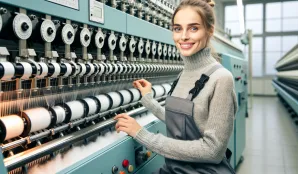
A Spinnare primarily works within the industrial manufacturing of textiles, where the task is to monitor and control machines that transform fibers into yarn and thread. The work often takes place in production environments where precision, accuracy, and high safety standards are crucial. The Spinnare is responsible for ensuring machines operate optimally, troubleshooting minor faults, and maintaining quality and quantity standards in production. The work environment can be noisy and require protective equipment, and shifts are common, demanding both physical endurance and flexibility.
Read more ->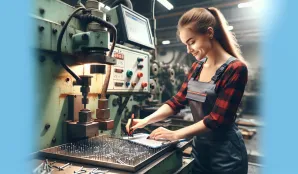
A spike setter mainly works within the steel and metal industry, where tasks revolve around handling, sorting, and assembling nails and similar metal products in automated or semi-automated production lines. Daily work often involves supervising machines, loading raw materials, conducting quality control, and ensuring machinery runs uninterrupted. The work environment is typically industrial, with noise, heavy lifting, and requirements for protective gear. Safety routines and precision are central to the profession, as tasks often involve machines with high speeds and moving parts.
Read more ->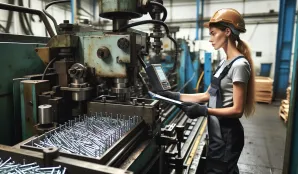
A nail machine operator primarily works with supervising and managing automated nail machines within the steel and metal industry. Tasks include starting, stopping, and adjusting machines, loading materials, performing basic maintenance, and ensuring continuous production flow. The role also involves quality checks of finished products and reporting any faults or deviations to supervisors. The work environment is often characterized by a fast pace, noise, and physical activity, requiring precision and adherence to safety routines. Nail machine operators typically work in shifts, meaning working days and hours can vary between day, evening, and night shifts.
Read more ->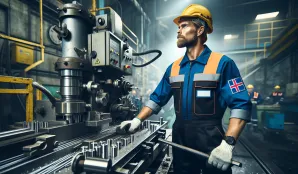
A Spikklippare mainly works within the steel and metal industry and is responsible for cutting and processing nails and similar metal products. Tasks include setting up and monitoring machines, checking product quality, performing basic maintenance, and ensuring safety regulations are followed. The work often takes place in an industrial environment with high demands on precision and safety awareness, involving both manual and automated processes. Physical strain may occur, but modern tools and machines often reduce the heaviest work load.
Read more ->