News and articles
- Home
- Articles






Latest posts
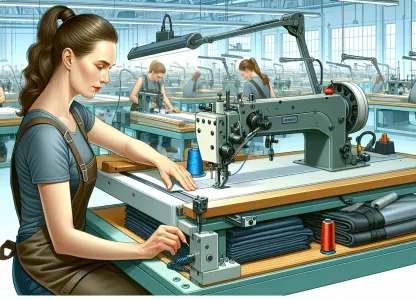
A full-pattern seamstress works on sewing complete garments or products from start to finish, often within the textile, leather, and fur industries. Tasks include pattern construction, material cutting, assembly, sewing, and final quality checks. Both industrial sewing machines and hand tools are commonly used, depending on the material and production requirements. The work environment is typically a workshop or factory where collaboration with other production roles is common, but there are also opportunities to work in smaller studios or as an independent contractor.
Read more ->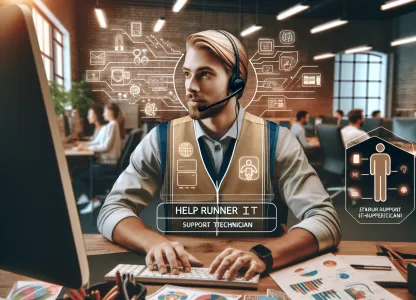
A Helprunner works to support and streamline IT environments, often within the role of support technician at companies, authorities, or organizations. Tasks include quickly troubleshooting and resolving technical issues, assisting users with installations and updates, and ensuring IT systems operate flawlessly. The work often takes place both on-site and remotely, requiring flexibility and strong communication skills to explain solutions in an understandable way. The work environment is characterized by a fast pace, sometimes irregular hours, and a constant need to stay updated on new technical solutions.
Read more ->-

Opinion Polls: Kantar-Sifo shows increased support for S, decline for SD and C
Fri, 13 Feb 2026 - 01:35 -

Policy rate remains at 1.75% – Riksbank signals stability
Thu, 29 Jan 2026 - 14:02


A helpdesk in data primarily works with providing technical support to users, both within companies and organizations. Tasks include receiving and resolving IT-related issues, often via phone, email, or dedicated ticketing systems. Typical duties involve troubleshooting computers, networks, software, and peripherals, as well as guiding users through instructions and solutions. The work environment is usually office-based and characterized by a high level of service, with the pace varying depending on the number of incoming cases and the complexity of the technical problems. Communication and collaboration with other IT specialists are natural parts of daily work.
Read more ->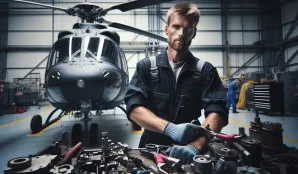
A helicopter mechanic works with maintenance, repairs, and troubleshooting of helicopters. The profession includes both preventive service and urgent repairs, where the mechanic ensures that the helicopter's various systems – engines, rotor blades, hydraulics, and electronics – operate safely and efficiently. The work is often performed in hangars but can also take place outdoors at airfields or in field environments. Safety requirements are very high, and each task is carefully documented to meet both national and international regulations.
Read more ->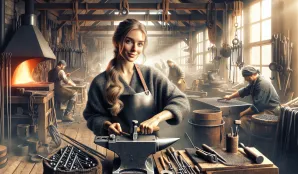
A hejarsmed primarily works with metalworking using a so-called hejare, a powerful forging tool that enables shaping large and heavy metal pieces. The profession involves melting, shaping, and hardening metals to create various industrial components, machine parts, or custom orders within sectors such as construction, manufacturing, and infrastructure. The work environment is often noisy and hot, with high safety and physical endurance requirements. Hejarsmeden usually collaborates with other smiths and technicians in larger workshops or industrial facilities where precision and accuracy are crucial.
Read more ->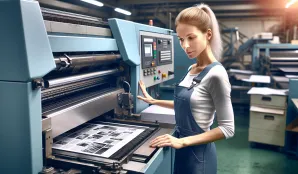
A Heatset Printer works with operating and monitoring heatset printing presses, a method where ink dries quickly using heat. The profession involves preparing printing machines, adjusting color settings, changing paper, and overseeing the entire printing process to ensure the highest quality. Heatset Printers are also responsible for ongoing maintenance of equipment and troubleshooting technical issues. The work is typically performed in industrial environments with high demands for accuracy, technical knowledge, and teamwork skills.
Read more ->
A headhunter works to identify, contact, and recruit qualified candidates for senior or specialized positions within companies and organizations. The work is often commissioned by employers seeking skills outside traditional application channels. Typical tasks include mapping industry profiles, conducting interviews, evaluating candidates' backgrounds, and presenting the most suitable persons for the assignment. The work environment is mainly office-based, with elements of digital work and many external meetings. The role requires high integrity, discretion, and the ability to build long-term relationships with both candidates and clients.
Read more ->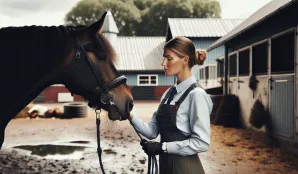
A horse trainer is responsible for training, developing, and educating horses across various disciplines such as riding, jumping, dressage, and harness racing. The tasks also include grooming, feeding, and ensuring the horse’s daily well-being. Often, work involves handling young horses, correcting behaviors, and preparing horses for competitions or sale. The profession is mainly practiced at riding centers, training stables, or competition stables, which means outdoor work in varying weather conditions and physically demanding tasks. Contact with horse owners, riders, and sometimes students is a natural part of the role, along with following safety routines and animal welfare laws.
Read more ->
A horse breeder is responsible for planning, executing, and supervising the breeding of horses, from covering and pregnancy to foaling and the foal's first year. Tasks include breeding planning, feeding, stable management, documentation of lineage, and contact with veterinarians and buyers. The work is often carried out on private farms or larger studs and requires physical outdoor work year-round, sometimes in unfavorable weather conditions. A horse breeder needs to have good rapport with animals and be meticulous to ensure the well-being and development of the horses.
Read more ->
A horse trainer is responsible for training and developing horses across various disciplines, often with the goal of competing at a professional level. Tasks include daily care of horses, planning and executing training sessions, and developing individual training programs. Horse trainers work closely with both horses and people, collaborating with horse owners, veterinarians, and sometimes riders. The work environment is often physically demanding and outdoor-based, with work hours in early mornings and late evenings. Safety is central, as handling horses always involves certain risks.
Read more ->