News and articles
- Home
- Articles






Latest posts
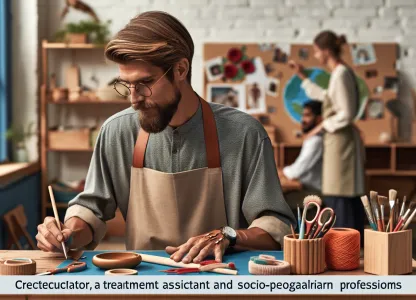
A craft educator works with guiding and supporting individuals through creative and practical work within various craft areas. The role often involves designing and leading educational activities in, for example, wood, textiles, ceramics, or other creative materials, aimed at promoting development, rehabilitation, or social learning. Craft educators can be found in environments such as special housing, treatment centers, daily activities, or schools, where the work environment is characterized by close contact with participants and a focus on individualized support. The work requires great sensitivity, pedagogical skill, and the ability to create safe, inclusive environments where participants can grow and develop through the possibilities of crafts.
Read more ->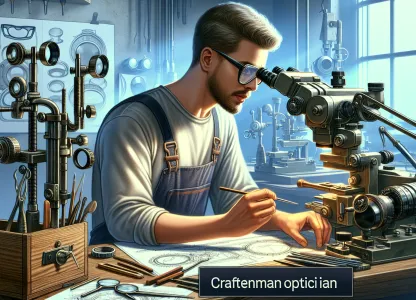
A craft optician works with manufacturing, adjusting, and repairing optical aids, primarily glasses and sometimes custom lenses or instruments. Tasks include grinding glass, assembling into frames, and fine-tuning to meet customer needs and preferences. The work often takes place in small workshops, optical stores, or specialized laboratories where precision and dexterity are crucial. The environment is characterized by accuracy, concentration, and close collaboration with colleagues and customers to ensure the highest quality of products.
Read more ->-

Opinion Polls: Kantar-Sifo shows increased support for S, decline for SD and C
Fri, 13 Feb 2026 - 01:35 -

Policy rate remains at 1.75% – Riksbank signals stability
Thu, 29 Jan 2026 - 14:02

A Hänklare primarily works with the manufacturing, repair, and maintenance of musical instruments or other craft products where precision, craftsmanship, and material knowledge are central. Tasks can include shaping and assembling wood or metal components, as well as detailed work involving decoration and finishing. The work environment varies depending on the workplace and can range from small workshops and studios to larger companies or specialized instrument-making workshops. The profession often requires working in a seated position with good lighting and access to specialized tools, demanding high accuracy and patience.
Read more ->
A hand knitter works on creating products and art objects through knitting, often commissioned by companies, institutions, or as self-employed. Tasks range from making clothing and accessories to producing interior details or artworks. Hand knitters primarily use various types of yarn and knitting needles, and the work requires great precision, a sense of color and form, and patience. The work often takes place in a calm environment, either at home, in a studio, or in collaboration with smaller craft businesses. The work environment is generally ergonomic but can involve repetitive movements and long working hours, which necessitates good working posture.
Read more ->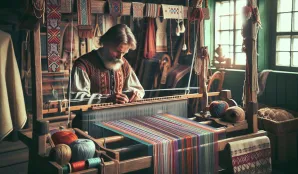
Handweavers are specialists in creating textiles using manual looms and traditional techniques. The work encompasses the entire process from designing patterns and selecting materials to weaving and finishing fabrics. The role often includes both artistic and technical elements, where precision and a sense for color and form are central qualities. The work environment for handweavers can vary, but many work in small studios, workshops, or at home, where good ergonomics and a calm pace are necessary to achieve high-quality results. The profession also often involves independent work but can include teamwork for larger projects or commissions.
Read more ->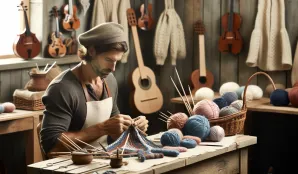
A handknitter works with creating textile products through manual knitting, often following traditional or custom-designed patterns. Tasks can include selecting materials, colors, and knitting techniques, as well as finishing garments or art pieces for sale or exhibition. The work is typically performed in smaller studios, at home, or in specialized workshops where craftsmanship and attention to detail are prioritized. The environment is often creative and independent, with opportunities to influence the workday structure and project design.
Read more ->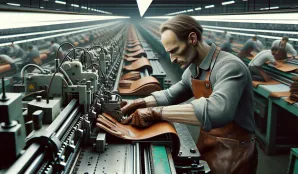
A Handskstansare primarily works in the textile, leather, and hide industries, stamping out parts for gloves from materials such as leather, skin, or synthetic materials. Tasks include carefully placing patterns, handling stamping machines, and ensuring efficient material use with minimal waste. The role also involves quality control of stamped parts and some post-processing to prepare parts for sewing. The work environment is often workshop-like, where precision and good knowledge of material properties are crucial for successful results. The work is often performed both standing and sitting, and may involve monotonous tasks requiring great accuracy and patience.
Read more ->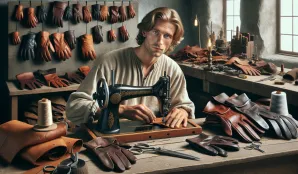
A glove tailor works with manufacturing, sewing, and sometimes repairing gloves made from various materials such as leather, textiles, or synthetic fibers. Tasks can include everything from drawing patterns and cutting materials to sewing parts together by hand or with machines. The environment is often workshop-based and can range from small craft studios to larger industries within the textile and leather sectors. Precision, attention to detail, and accuracy are essential in the profession, especially since gloves often require advanced sewing and a high-quality finish.
Read more ->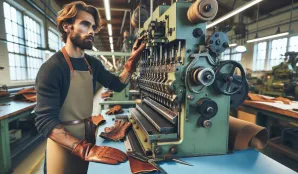
A Handskblockare primarily works with shaping, finishing, and quality inspecting gloves made from various materials such as leather, textiles, or synthetics. The work often takes place in small workshops or factories and involves using special machines and tools to block, stretch, and press the gloves to fit correctly. Precision, finger dexterity, and a feel for materials are essential qualities, as the final product must meet high standards and customer requirements. The work environment can be both sitting and standing, sometimes noisy and with exposure to chemicals used in material processing. Safety routines and ergonomic aids are important to reduce the risk of strain injuries.
Read more ->
A handsättare primarily works within the printing and prepress industry and is responsible for manually setting text and images for printing. Tasks include preparing print originals and ensuring that the layout meets customer specifications and technical requirements. The job often involves handling advanced tools and machines, but also requires a high level of craftsmanship and precision. The work environment is usually workshop- or production-based, where collaboration with other technicians and printers is a natural part of daily work. The environment can be noisy and the pace sometimes hectic, especially before deadlines or large productions.
Read more ->