- Salary statistics
- Craft optician salary
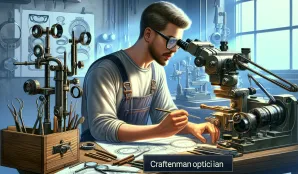
Craft optician salary
Latest available salary statistics are for 2025. Compare average pay, salary range and related job listings.
32 000 - 44 900 SEK / month
Women earn 82% of what men do.
Hantverksyrken
Related tools
Salary progression Craft optician
What does a craft optician do? – Tasks and work environment
A craft optician works with manufacturing, adjusting, and repairing optical aids, primarily glasses and sometimes custom lenses or instruments. Tasks include grinding glass, assembling into frames, and fine-tuning to meet customer needs and preferences. The work often takes place in small workshops, optical stores, or specialized laboratories where precision and dexterity are crucial. The environment is characterized by accuracy, concentration, and close collaboration with colleagues and customers to ensure the highest quality of products.
Salary development over time
The salary for craft opticians has shown steady growth over the past three years. In 2022, the average salary was 31,900 SEK per month. In 2023, this increased to 34 800 SEK, representing an increase of about 4.7%. In 2024, the average salary continued to rise to 40 900 SEK, which is an additional increase of approximately 4.2% from the previous year. This development reflects increased demand for qualified craft opticians and a generally stable job market within fine mechanics professions, where specialized skills and experience are highly valued. The salary increase can also be linked to technological advancements in the industry and the need for advanced competence to meet customer demands for individual solutions.
Craft optician salary – comprehensive overview
- Average salary: 40 900 SEK/month
- Lowest salary: 28,300 SEK/month (woman)
- Highest salary: 40,900 SEK/month (man)
- Hourly wage: 209 SEK/hour
- Gender difference: Women earn 82% of what men do (men: 41 600 SEK, women: 28,300 SEK)
- Regional differences: No specific data available
Education and qualifications
The path to becoming a craft optician usually involves secondary education with a focus on fine mechanics or optics, followed by specialized courses and practical training in the profession. It is common to supplement with shorter post-secondary education or certifications to enhance skills, especially in new technology and material handling. Practical experience and accuracy are highly valued, and many employers prefer candidates who have completed apprenticeship periods or trainee programs.
- Secondary education: Technical focus on fine mechanics or optics (3 years)
- Post-secondary courses: Specialization in optical manufacturing (up to 2 years)
- Practical/training period: Recommended for practical experience
- Certifications: Possible through industry organizations
- Prerequisites: Approved grades in mathematics and technical subjects
Many craft opticians develop a unique sense for materials and design over time, enabling them to create personalized and innovative solutions for customers with special needs. This creative aspect of the profession is appreciated by many and contributes to increased job satisfaction.
Common benefits and compensations
Craft opticians are often offered collective agreement benefits such as occupational pension, wellness allowance, and insurance. Some employers also offer skill development, subsidized work glasses, and bonus opportunities linked to performance or company results. Flexitime and opportunities for further education are other advantages within the profession.
Competition and challenges
The competition within the craft optician profession is moderate but can vary depending on the region and demand for specialized optical services. One of the biggest challenges is rapid technological development, which requires continuous skills updating. Additionally, smaller job markets may mean fewer available positions, even though there are a total of 341 available jobs within the skilled mechanics group. The ability to adapt to new materials and methods is crucial for continued success, as is staying updated on industry trends and requirements.
Tips for those wanting to become a craft optician
To succeed as a craft optician, it’s good to have an eye for detail and a lot of patience, as the work requires precision at every step. Accuracy is a key trait, ensuring each product maintains high quality and meets the customer's unique needs. A good technical understanding facilitates handling modern machines and new materials, while problem-solving skills help you quickly find solutions to unexpected challenges. Creativity can be an asset when working with custom solutions or unusual customer requests. Being service-minded and attentive makes communication with colleagues and customers easier, contributing to a pleasant work environment and strong customer relationships.
Key facts about Craft Opticians
- Education level: Secondary or shorter post-secondary education
- Work environment: Workshop, optical store, or specialized laboratory
- Typical employment type: Full-time or hourly employment
- Number of available jobs in the profession: 341
- Gender differences: Women earn 82% of men's salaries
Career paths and future prospects
After three to five years as a craft optician, there are opportunities to take on more responsibility within the workshop, such as supervisor or trainer for new employees. Some choose to specialize in advanced optical manufacturing or move towards entrepreneurship. The future outlook for the profession is difficult to assess precisely due to limited data, but according to the Swedish Public Employment Service statistics for the skilled mechanics group, there is stable demand and a certain number of available jobs. Technological development and an increased need for personalized optical solutions suggest that the profession will remain relevant and develop further.
Frequently asked questions about Craft Opticians
- What does a craft optician earn?
- The average salary for a craft optician is 40 900 SEK per month. - What are the gender differences in the profession?
- Men earn on average 41 600 SEK, while women earn 28,300 SEK, which means women earn approximately 82% of men's salaries. - What education is required to become a craft optician?
- A secondary education with a technical focus and specialized courses in optics and practical training are most common. - Are there many job openings for craft opticians?
- Within the skilled mechanics group, there are 341 available jobs according to current statistics. - What are the future prospects for craft opticians?
- The prognosis is uncertain due to limited data, but demand for specialized opticians remains. - What are the most common work environments for craft opticians?
- Workshops, optical stores, and specialized laboratories are the most common work environments. - How wide is the salary distribution within the profession?
- The lowest salary is 28,300 SEK and the highest is 40,900 SEK per month.

Salary distributed by age and sector
| Age | Base salary | Monthly salary | |
|---|---|---|---|
| 18-24 | 29800 kr | 31500 kr | |
| 25-34 | 36700 kr | 39900 kr | |
| 35-44 | 37500 kr | 41400 kr | |
| 45-54 | 39200 kr | 41600 kr | |
| 55-64 | 39700 kr | 44500 kr | |
| Snitt | 82% | 37500 kr | 40900 kr |
| Age | Base salary | Monthly salary | |
|---|---|---|---|
| 18-24 | 89% | 30500 kr | 31700 kr |
| 25-34 | 92% | 35500 kr | 38200 kr |
| 35-44 | 83% | 36500 kr | 38900 kr |
| 45-54 | 94% | 37400 kr | 38100 kr |
| 55-64 | 99% | 37500 kr | 38600 kr |
| 65-68 | 37500 kr | 37500 kr | |
| Snitt | 88% | 35800 kr | 37500 kr |
| Age | Base salary | Monthly salary | |
|---|---|---|---|
| 18-24 | 89% | 30500 kr | 31700 kr |
| 25-34 | 92% | 35500 kr | 38200 kr |
| 35-44 | 83% | 36500 kr | 38900 kr |
| 45-54 | 94% | 37400 kr | 38100 kr |
| 55-64 | 99% | 37500 kr | 38600 kr |
| 65-68 | 37500 kr | 37500 kr | |
| Snitt | 88% | 35800 kr | 37500 kr |
| Age | Base salary | Monthly salary | |
|---|---|---|---|
| 25-34 | 37000 kr | 40400 kr | |
| 35-44 | 37700 kr | 41800 kr | |
| 45-54 | 39600 kr | 42400 kr | |
| 55-64 | 40300 kr | 45900 kr | |
| Snitt | 37900 kr | 41700 kr |
| Age | Base salary | Monthly salary | |
|---|---|---|---|
| 25-34 | 37000 kr | 40400 kr | |
| 35-44 | 37700 kr | 41800 kr | |
| 45-54 | 39600 kr | 42400 kr | |
| 55-64 | 40300 kr | 45900 kr | |
| Snitt | 37900 kr | 41700 kr |
| Age | Base salary | Monthly salary | |
|---|---|---|---|
| 25-34 | 37100 kr | 40500 kr | |
| 35-44 | 37900 kr | 42100 kr | |
| 45-54 | 39500 kr | 42100 kr | |
| 55-64 | 40200 kr | 45200 kr | |
| Snitt | 82% | 38000 kr | 41600 kr |
| Age | Base salary | Monthly salary | |
|---|---|---|---|
| 18-24 | 89% | 31600 kr | 33300 kr |
| 25-34 | 92% | 36400 kr | 39000 kr |
| 35-44 | 83% | 37000 kr | 39400 kr |
| 45-54 | 94% | 37600 kr | 38400 kr |
| 55-64 | 99% | 37600 kr | 38700 kr |
| 65-68 | 37500 kr | 37500 kr | |
| Snitt | 88% | 36600 kr | 38300 kr |
| Age | Base salary | Monthly salary | |
|---|---|---|---|
| 18-24 | 89% | 31600 kr | 33300 kr |
| 25-34 | 92% | 36400 kr | 39000 kr |
| 35-44 | 83% | 37000 kr | 39400 kr |
| 45-54 | 94% | 37600 kr | 38400 kr |
| 55-64 | 99% | 37600 kr | 38700 kr |
| 65-68 | 37500 kr | 37500 kr | |
| Snitt | 88% | 36600 kr | 38300 kr |
| Age | Base salary | Monthly salary | |
|---|---|---|---|
| 25-34 | 37300 kr | 40800 kr | |
| 35-44 | 38100 kr | 42600 kr | |
| 45-54 | 39900 kr | 42900 kr | |
| 55-64 | 40800 kr | 46800 kr | |
| Snitt | 38300 kr | 42400 kr |
| Age | Base salary | Monthly salary | |
|---|---|---|---|
| 25-34 | 37300 kr | 40800 kr | |
| 35-44 | 38100 kr | 42600 kr | |
| 45-54 | 39900 kr | 42900 kr | |
| 55-64 | 40800 kr | 46800 kr | |
| Snitt | 38300 kr | 42400 kr |
| Age | Base salary | Monthly salary | |
|---|---|---|---|
| Snitt | 82% | 33100 kr | 34100 kr |
| Age | Base salary | Monthly salary | |
|---|---|---|---|
| 18-24 | 89% | 29100 kr | 29500 kr |
| 25-34 | 92% | 32600 kr | 35900 kr |
| 35-44 | 83% | 30600 kr | 32900 kr |
| 45-54 | 94% | 35800 kr | 36100 kr |
| 55-64 | 99% | 36200 kr | 38200 kr |
| Snitt | 88% | 32000 kr | 33700 kr |
| Age | Base salary | Monthly salary | |
|---|---|---|---|
| 18-24 | 89% | 29100 kr | 29500 kr |
| 25-34 | 92% | 32600 kr | 35900 kr |
| 35-44 | 83% | 30600 kr | 32900 kr |
| 45-54 | 94% | 35800 kr | 36100 kr |
| 55-64 | 99% | 36200 kr | 38200 kr |
| Snitt | 88% | 32000 kr | 33700 kr |

About the data
All information displayed on this page is based on data from the Swedish Central Bureau of Statistics (SCB), the Swedish Tax Agency and the Swedish employment agency. Learn more about our data and data sources here.
All figures are gross salaries, meaning salaries before tax. The average salary, or mean salary, is calculated by adding up the total salary for all individuals within the profession and dividing it by the number of individuals. For specific job categories, we have also considered various criteria such as experience and education.
Profession Craft optician has the SSYK code 7311, which we use to match against the SCB database to obtain the latest salary statistics.
-
Dental Technician Wanted at Katrineholms Tandtekniska AB
Precision mechanics
Fri, 3 Jul 2026 - 23:03 -

Trained Watchmaker Wanted in Skellefteå – Key Role in a Growing Company
Precision mechanics
Thu, 2 Jul 2026 - 22:39



Compare salary, work tasks and job outlook in adjacent occupations to find roles with similar skills or pay levels.
-

Average salary: 34 000 SEK/month • Hantverksyrken
Musical instrument makers and other artisans
Compare with Craft optician
Tue, 14 Jul 2026 - 10:55 -

Average salary: 34 000 SEK/month • Hantverksyrken
Musical instrument makers and other artisans
Compare with Craft optician
Fri, 10 Jul 2026 - 13:12 -

Average salary: 34 000 SEK/month • Hantverksyrken
Musical instrument makers and other artisans
Compare with Craft optician
Tue, 14 Jul 2026 - 11:56 -

Average salary: 40 900 SEK/month • Hantverksyrken
Precision mechanics
Compare with Craft optician
Tue, 14 Jul 2026 - 13:55 -

Upholstered furniture worker salary
Average salary: 32 200 SEK/month • Hantverksyrken
Upholsterers
Compare with Craft optician
Tue, 14 Jul 2026 - 15:02 -

Average salary: 34 000 SEK/month • Hantverksyrken
Musical instrument makers and other artisans
Compare with Craft optician
Tue, 14 Jul 2026 - 11:57


