- Salary statistics
- Glove blockers salary
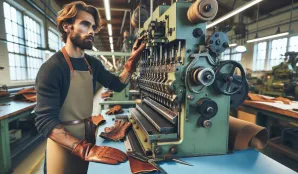
Glove blockers salary
Latest available salary statistics are for 2025. Compare average pay, salary range and related job listings.
31 300 - 34 400 SEK / month
Women earn 94% of what men do.
Industriell tillverkning
Related tools
Salary progression Glove blockers
What does a Handskblockare do? – Tasks and work environment
A Handskblockare primarily works with shaping, finishing, and quality inspecting gloves made from various materials such as leather, textiles, or synthetics. The work often takes place in small workshops or factories and involves using special machines and tools to block, stretch, and press the gloves to fit correctly. Precision, finger dexterity, and a feel for materials are essential qualities, as the final product must meet high standards and customer requirements. The work environment can be both sitting and standing, sometimes noisy and with exposure to chemicals used in material processing. Safety routines and ergonomic aids are important to reduce the risk of strain injuries.
Salary development over time
Handkblockare have experienced a stable and positive salary growth over the past three years. In 2022, the average salary was 27,700 SEK per month, which increased to 30 400 SEK in 2023 and further to 32 200 SEK in 2024. This development corresponds to a total increase of approximately 9.8% during the period. The rising wages can be linked to increased demand in the textile and leather industries and a growing need for specialized professionals as the industry modernizes. Despite this, the profession has not seen dramatic wage increases, reflecting its specialized but limited job market. Gender differences remain, with women earning on average 94% of men's salaries. Regional variations exist, with metropolitan areas and regions with larger textile industries often offering somewhat higher wages.
Handskblockare salary – comprehensive overview
- Average salary: 32 200 SEK/month
- Lowest salary: 29,400 SEK/month (female, private sector employee, high school education 3 years)
- Highest salary: 32,200 SEK/month (male, regional sector, high school education up to 2 years)
- Hourly wage: 183 SEK (based on 166 hours/month)
- Gender differences: Men 33 200 SEK, women 31 300 SEK (women earn 94% of men)
- Regional differences: Differences exist, with metropolitan areas and regions with larger textile industries often offering higher wages.
Education and qualifications
The path to becoming a Handskblockare typically involves high school industrial technology programs with specialization in textiles or leather, supplemented with internal or company-based internships. There is no specific university degree for the profession, but industry-specific courses and certifications can be advantageous. Practical experience is highly valued, and many employers prefer candidates with experience in textile production or documented craftsmanship skills.
- High school education: Industrial technology program, 3 years
- Internships: Workplace-based learning or trainee programs are common
- Courses/certifications: Opportunities for industry-specific training
- Prerequisites: Interest in materials science and craftsmanship
- Tips for choosing: Combine education with internships to increase employability
A Handskblockare is one of the few craft professions where traditional techniques meet modern machinery. Many professionals highlight that the detailed work and feel for materials make the workday varied and challenging, especially when adapting gloves for different uses and customers.
Common benefits and compensations
Among the most common benefits for Handskblockare are wellness allowances, subsidized work clothing, and sometimes flexitime. Some employers also offer supplements for unsocial hours and opportunities for skills development through courses and internal training. Insurance and pension contributions according to collective agreements are standard in the industry.
Competition and challenges
Competition for jobs as a Handskblockare can vary depending on region and economic conditions within the textile and leather industries. The Swedish job market is limited, and the profession belongs to a small occupational group with no significant increase in job numbers. Challenges often include staying updated with new machinery techniques and continuously developing craftsmanship skills. Automation in the industry may impact demand in the long term, but there remains a niche demand for quality products and custom gloves, which benefits experienced blockare.
Tips for those who want to become a Handskblockare
To succeed as a Handskblockare, it is beneficial to have a genuine interest in materials and craftsmanship, as the work requires patience and precision. Accuracy is crucial, especially when shaping gloves exactly according to templates or customer requests. Early internships are recommended to gather practical experience and build a network in the industry. Flexibility and problem-solving skills are valuable when unexpected issues arise during production. Good teamwork skills are an asset, as work often occurs in teams and requires communication with other professionals. Being open to learning new techniques and machinery also provides better opportunities for development and more interesting tasks. Finally, a strong work ethic and sense of responsibility are appreciated, as work quality is important for both employers and customers.
Key facts about Handskblockare
- Education level: High school, industrial technology program
- Work environment: Workshop or factory, sometimes noisy
- Common employment form: Full-time, often collective agreement
- Demand: 1,437 job openings in 2024
- Gender distribution: Women earn 94% of men's salaries
Career paths and future prospects
After three to five years in the profession, a Handskblockare can advance to supervisory roles, team leaders, or specialize in developing new glove models and materials. Opportunities also exist within quality control or training new blockare within companies or industry organizations. According to the Swedish Public Employment Service, there is no specific forecast for the Handskblockare profession due to limited data, but in the occupational group of machine operators in the textile, leather, and fur industries, there were 1,437 job openings in 2024. Future prospects are considered stable for those with the right skills and willingness to further educate themselves, especially in specialized segments of the industry.
Frequently asked questions about Handskblockare
- What does a Handskblockare earn?
- A Handskblockare has an average salary of 32 200 SEK per month, with variations depending on experience, gender, and region. - Are there differences between men's and women's salaries?
- Yes, women earn on average 31 300 SEK per month while men earn 33 200 SEK, meaning women earn 94% of men's salaries. - What education is required to become a Handskblockare?
- High school education in industrial technology or textiles is most common, often supplemented with internships or company-based training. - What is the job market like for Handskblockare?
- There is a limited but stable job market, with 1,437 job openings in the profession in 2024. - What qualities are important for a Handskblockare?
- Accuracy, finger dexterity, teamwork skills, and interest in materials are particularly important qualities. - Are there career opportunities within the profession?
- Yes, it is possible to advance to supervisory roles or specialize in product development and quality control. - What are the highest and lowest salaries for Handskblockare?
- The highest salary is 32,200 SEK (male, regional sector), and the lowest is 29,400 SEK (female, private sector employee).

Salary distributed by age and sector
| Age | Base salary | Monthly salary | |
|---|---|---|---|
| 25-34 | 29100 kr | 31500 kr | |
| 35-44 | 95% | 29900 kr | 31800 kr |
| 45-54 | 92% | 30900 kr | 32600 kr |
| 55-64 | 93% | 31200 kr | 33000 kr |
| Snitt | 94% | 30300 kr | 32200 kr |
| Age | Base salary | Monthly salary | |
|---|---|---|---|
| 25-34 | 29100 kr | 31500 kr | |
| 35-44 | 95% | 29900 kr | 31800 kr |
| 45-54 | 92% | 30900 kr | 32600 kr |
| 55-64 | 93% | 31200 kr | 33000 kr |
| Snitt | 94% | 30300 kr | 32200 kr |
| Age | Base salary | Monthly salary | |
|---|---|---|---|
| 25-34 | 29100 kr | 31500 kr | |
| 35-44 | 95% | 29900 kr | 31800 kr |
| 45-54 | 92% | 30900 kr | 32600 kr |
| 55-64 | 93% | 31200 kr | 33000 kr |
| Snitt | 94% | 30300 kr | 32200 kr |
| Age | Base salary | Monthly salary | |
|---|---|---|---|
| 25-34 | 29600 kr | 32500 kr | |
| 35-44 | 95% | 29800 kr | 32500 kr |
| 45-54 | 92% | 31800 kr | 34000 kr |
| 55-64 | 93% | 31700 kr | 34500 kr |
| Snitt | 94% | 30500 kr | 33200 kr |
| Age | Base salary | Monthly salary | |
|---|---|---|---|
| 25-34 | 29600 kr | 32500 kr | |
| 35-44 | 95% | 29800 kr | 32500 kr |
| 45-54 | 92% | 31800 kr | 34000 kr |
| 55-64 | 93% | 31700 kr | 34500 kr |
| Snitt | 94% | 30500 kr | 33200 kr |
| Age | Base salary | Monthly salary | |
|---|---|---|---|
| 25-34 | 29600 kr | 32500 kr | |
| 35-44 | 95% | 29800 kr | 32500 kr |
| 45-54 | 92% | 31800 kr | 34000 kr |
| 55-64 | 93% | 31700 kr | 34500 kr |
| Snitt | 94% | 30500 kr | 33200 kr |
| Age | Base salary | Monthly salary | |
|---|---|---|---|
| 35-44 | 95% | 30000 kr | 30900 kr |
| 45-54 | 92% | 30200 kr | 31400 kr |
| 55-64 | 93% | 30900 kr | 32000 kr |
| Snitt | 94% | 30000 kr | 31300 kr |
| Age | Base salary | Monthly salary | |
|---|---|---|---|
| 35-44 | 95% | 30000 kr | 30900 kr |
| 45-54 | 92% | 30200 kr | 31400 kr |
| 55-64 | 93% | 30900 kr | 32000 kr |
| Snitt | 94% | 30000 kr | 31300 kr |
| Age | Base salary | Monthly salary | |
|---|---|---|---|
| 35-44 | 95% | 30000 kr | 30900 kr |
| 45-54 | 92% | 30200 kr | 31400 kr |
| 55-64 | 93% | 30900 kr | 32000 kr |
| Snitt | 94% | 30000 kr | 31300 kr |

About the data
All information displayed on this page is based on data from the Swedish Central Bureau of Statistics (SCB), the Swedish Tax Agency and the Swedish employment agency. Learn more about our data and data sources here.
All figures are gross salaries, meaning salaries before tax. The average salary, or mean salary, is calculated by adding up the total salary for all individuals within the profession and dividing it by the number of individuals. For specific job categories, we have also considered various criteria such as experience and education.
Profession Glove blockers has the SSYK code 8159, which we use to match against the SCB database to obtain the latest salary statistics.
-

Machine Operator at Nordifa in Halmstad
Other machine operators, textile, leather and leather industry
Wed, 8 Jul 2026 - 06:22 -

Industrial Seamstress for Germa in Kristianstad
Other machine operators, textile, leather and leather industry
Tue, 7 Jul 2026 - 21:42 -

Sewer/Seamstress for NHC in Umeå
Other machine operators, textile, leather and leather industry
Mon, 6 Jul 2026 - 21:26 -
Sewer/Seamstress for NHC in Timrå
Other machine operators, textile, leather and leather industry
Mon, 6 Jul 2026 - 17:06 -
Process Operator at TreeToTextile – Develop the Next Generation of Sustainable Textile Fiber
Other machine operators, textile, leather and leather industry
Thu, 2 Jul 2026 - 00:37
Compare salary, work tasks and job outlook in adjacent occupations to find roles with similar skills or pay levels.
-
Tool technician, tool maker salary
Average salary: 37 900 SEK/month • Industriell tillverkning
Toolmakers
Compare with Glove blockers
Tue, 14 Jul 2026 - 10:09 -

Machine operator, glass wool salary
Average salary: 36 900 SEK/month • Industriell tillverkning
Other process and machine operators
Compare with Glove blockers
Tue, 14 Jul 2026 - 10:05 -

Average salary: 34 200 SEK/month • Industriell tillverkning
Machine operators, plastics industry
Compare with Glove blockers
Tue, 14 Jul 2026 - 07:11 -

Average salary: 36 900 SEK/month • Industriell tillverkning
Other process and machine operators
Compare with Glove blockers
Tue, 14 Jul 2026 - 07:12 -

Average salary: 36 300 SEK/month • Industriell tillverkning
Machine setters and machine operators, metal work
Compare with Glove blockers
Tue, 14 Jul 2026 - 03:57 -

Stencil manufacturer, screen printing salary
Average salary: 34 600 SEK/month • Industriell tillverkning
Printers
Compare with Glove blockers
Tue, 14 Jul 2026 - 08:18


