News and articles
- Home
- Articles






Latest posts

A chiropractor specializes in examining, diagnosing, and treating issues in the musculoskeletal system, primarily the back, neck, and joints. Tasks include manual treatment, advice on ergonomics and lifestyle, as well as rehabilitation of patients with pain or impaired function. Chiropractors often work in private clinics but can also be employed within occupational health or sports organizations. The work environment features close patient contact, practical work, and a significant responsibility for patient well-being.
Read more ->
A Kioskinnehavare is responsible for the daily operation of a kiosk or small store, including selling goods, ordering products, cash handling, and customer service. The job often requires working alone or in a small team, where initiative and flexibility are key qualities. The work environment can vary depending on the kiosk's location, but is usually intense and requires good multitasking skills. Kioskinnehavare often meet a broad customer base and therefore need well-developed social skills and the ability to quickly solve problems that may arise during the workday.
Read more ->-

Opinion Landscape: Novus February 2026 – Social Democrats Still Largest
Thu, 19 Feb 2026 - 01:35 -

Policy rate remains at 1.75% – Riksbank signals stability
Thu, 29 Jan 2026 - 14:02


A kiosk clerk primarily works with selling goods over the counter in kiosks, small stores, and sales stalls. Tasks include greeting customers, taking payments, managing cash registers, restocking items, and sometimes preparing quick meals and drinks. The work often takes place in small teams or alone, requiring independence and initiative. The work environment varies between indoor and outdoor settings, and working hours may include evenings and weekends depending on the kiosk or store's opening hours.
Read more ->
A kiosk manager is responsible for the daily operation of a kiosk or similar small sales business. Tasks include everything from ordering and receiving goods to handling the cash register, providing customer service, and maintaining order in the kiosk. The role often also involves scheduling, basic bookkeeping, and sometimes personnel management for a small team. The work environment is typically small-scale and close to customers, with many tasks requiring flexibility, speed, and a service-oriented attitude. Work often takes place during varying hours, including evenings and weekends, which requires good planning and stress tolerance.
Read more ->
A kiosk assistant primarily works with selling goods and simple food items in small stores, kiosks, or service facilities. Their main tasks include cash handling, restocking, customer service, and sometimes preparing simple foods such as sausages and sandwiches. The work environment is often characterized by a fast pace, many customer contacts, and sometimes long shifts during inconvenient hours, such as evenings and weekends. Flexibility and good stress management skills are important, as workload can vary greatly throughout the day.
Read more ->
A kiosk owner is responsible for the daily operation of a kiosk, which includes selling goods, ordering stock, customer service, and cash handling. The role often involves a wide range of tasks, from purchasing and supplier contact to marketing and pricing. The work environment is characterized by a fast pace, direct contact with customers, and many practical tasks. Many kiosk owners work alone, which means long working days and high demands for flexibility. Hygiene, safety, and service attitude are important aspects of the daily work.
Read more ->
A Chinese chef is responsible for preparing Chinese dishes according to traditional and modern recipes, often with high demands on both taste and presentation. Tasks include handling raw materials, preparations, cooking various dishes, menu planning, and coordination in the kitchen. The role often involves a fast pace, especially during lunch and evenings, and collaboration with other kitchen staff is crucial to ensure quality and efficiency. The work environment is characterized by warmth, noise, and sometimes stress, but also creativity and the opportunity to influence the guest’s culinary experience.
Read more ->
A Key account manager has overall responsibility for the company's most important clients and acts as the primary contact between the company and these key customers. Tasks include developing long-term relationships, negotiating agreements, ensuring customer satisfaction, and identifying new business opportunities within existing collaborations. The role often involves close cooperation with internal departments such as marketing, product development, and support to create tailored solutions. The work environment is mainly office-based, but meetings with clients occur both digitally and in person, which may involve travel and a fast pace.
Read more ->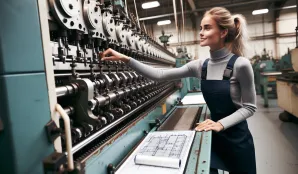
A Kettlare primarily works within the textile, leather, and hide industries, overseeing and maintaining machines used for sewing, assembling, and finishing various products. Tasks often include loading materials into machines, adjusting settings, monitoring production, and performing basic maintenance. The work requires precision, good hand-eye coordination, and the ability to quickly identify and fix errors in the process. The work environment is typically industrial, with machine noise and repetitive tasks being common, but safety procedures and ergonomic tools play an important role in reducing strain.
Read more ->
A ceramic press operator works with shaping and processing ceramic materials into various products, often using press machines and molds. Tasks include preparing raw materials, monitoring the pressing process, checking product quality, and finishing details such as sanding and post-processing. The work often takes place in workshop environments where manual and automated tasks are involved. The working environment can be dusty and requires precision and a good understanding of material properties.
Read more ->