News and articles
- Home
- Articles






Latest posts
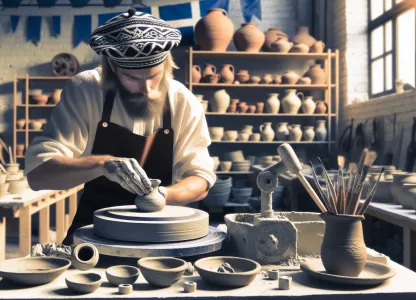
A ceramicist, artist works with creating art objects, functional ceramics, and sculptures using clay and other ceramic materials. Tasks include the entire process from design and shaping to throwing, building, glazing, and firing objects in a kiln. Many ceramicists run their own studio or workshop, where the work environment is often both creative and practical. In addition to artistic work with materials and techniques, administrative tasks, customer contact, marketing, and sales of their own works are included, as well as sometimes teaching or workshops for others. The work is physically varied and requires both concentration and patience, especially when handling heavy materials and kilns.
Read more ->
A ceramic worker primarily works with creating products from clay and other ceramic materials. Tasks include designing, throwing on the wheel, glazing, and firing ceramics in a kiln. The work often takes place in small workshops or studios where each step requires great precision and artistic sense. The work environment can be dusty and sometimes physically demanding, especially when handling larger objects and heavy kilns. Safety routines regarding chemicals and kiln heat are important parts of daily work.
Read more ->-

Opinion Landscape: Novus February 2026 – Social Democrats Still Largest
Thu, 19 Feb 2026 - 01:35 -

Policy rate remains at 1.75% – Riksbank signals stability
Thu, 29 Jan 2026 - 14:02


A Kennelföreståndare is responsible for the daily operations at a kennel, including dog care, breeding planning, and handling administrative tasks. Tasks range from feeding, exercising, and health checks to contact with dog owners and authorities. The environment is often physically active outdoors but also involves significant documentation and quality work to ensure animal welfare and compliance with regulations. The role requires both practical skills and organizational ability, as well as a strong commitment to animal welfare.
Read more ->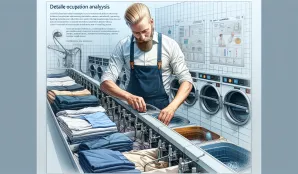
A Dry Cleaner works with cleaning clothes, textiles, and sometimes other materials through chemical processes and specialized machines. The profession involves handling different types of stains, following specific instructions for various textile materials, and ensuring that garments are returned in the best possible condition. The work environment is often machine-intensive and can be noisy, involving chemicals, which requires precision and protective equipment. Customer contact is common, especially during drop-off and pickup, making service skills an important part of the role.
Read more ->
A chemical engineer works on developing, analyzing, and monitoring chemical processes within industry, research, or laboratory settings. Common tasks include developing and testing new products, quality assurance of raw materials and finished products, and optimizing manufacturing processes to improve efficiency and sustainability. The work environment varies depending on the workplace but often includes laboratories, production plants, or office settings where precision, safety, and documentation are central parts of daily work.
Read more ->
A chemist specializing in clinical practice primarily works with analyzing body fluids, tissue samples, and other biological materials to provide a basis for medical diagnoses and treatments. Tasks often include advanced laboratory analysis, quality control of results, and development of new methods within clinical chemistry. The role also involves close collaboration with doctors, biomedical analysts, and other healthcare staff to ensure high-quality analyses and rapid application of results in patient care. The work environment is typically laboratory-based and clinical, requiring precision, safety, and high technical competence.
Read more ->
A chemist in general chemistry works with analyzing, developing, and controlling chemical substances and processes across various industries. Tasks often include laboratory work, performing qualitative and quantitative analyses on materials, products, and raw materials. Chemists develop new methods for analysis and development, conduct experiments, and interpret results, contributing to innovations in pharmaceuticals, food, environmental technology, and materials development. The working environment is usually laboratory-based but can also include work at industrial sites or research institutions, where safety regulations and meticulous documentation are central parts of daily work.
Read more ->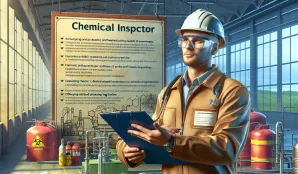
A chemical inspector works with reviewing, controlling, and ensuring that companies and organizations comply with applicable laws and regulations regarding chemical management. The profession often involves conducting inspections, inspecting workplaces, investigating incidents, and analyzing risks associated with chemicals. Tasks also include preparing reports, providing advice to operations, and sometimes participating in training to increase knowledge about chemical safety. The work environment is mainly office-based but also includes fieldwork, especially during inspections of industrial environments, laboratories, or other facilities where chemicals are used or stored.
Read more ->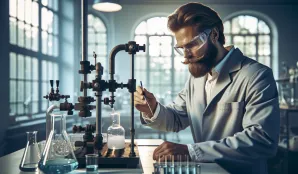
University-educated chemical engineers primarily work within process industry, research and development, as well as environmental and quality control. Their tasks include developing, optimizing, and monitoring chemical processes in the production of everything from pharmaceuticals to materials and food. Much of the work takes place in laboratories, but also in production facilities and offices. The work environment often emphasizes precision and safety, especially when handling chemicals and technical equipment. Collaboration with other engineers, technicians, and production staff is common, and projects can be both long-term and ongoing.
Read more ->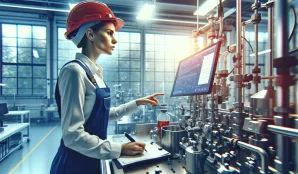
A chemistry engineer in chemical engineering develops, improves, and monitors processes for the production of chemical products and materials. Tasks may include designing and optimizing chemical processes, laboratory work, quality control, as well as analysis and interpretation of measurement data. Chemistry engineers are often involved in projects to develop new products or improve sustainability in existing processes. The work typically takes place in laboratories, pilot plants, or production facilities, often in collaboration with other specialists in technology, environment, and production. The work environment emphasizes safety, precision, and quality.
Read more ->