- Salary statistics
- Kennel manager salary
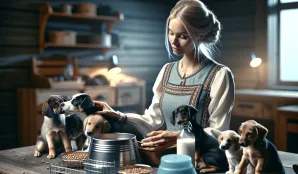
Kennel manager salary
Latest available salary statistics are for 2025. Compare average pay, salary range and related job listings.
30 046 - 29 784 SEK / month
Naturbruk
Related tools
Salary progression Kennel manager
What does a Kennelföreståndare do? – Tasks and Work Environment
A Kennelföreståndare is responsible for the daily operations at a kennel, including dog care, breeding planning, and handling administrative tasks. Tasks range from feeding, exercising, and health checks to contact with dog owners and authorities. The environment is often physically active outdoors but also involves significant documentation and quality work to ensure animal welfare and compliance with regulations. The role requires both practical skills and organizational ability, as well as a strong commitment to animal welfare.
Salary Development Over Time
Salaries for Kennelföreståndare have shown a slight positive trend over the past three years. In 2022, the average salary was 27,874 kronor per month, increased to 28 218 kronor in 2023, and then to 29 784 kronor in 2024. This represents a total increase of approximately 1.2 % over the period. The development is relatively stable with small annual changes, possibly due to steady demand for the profession and the fact that no long university education is required. Salary levels are also influenced by many employers being smaller private actors or non-profit organizations, where wages are generally lower than in the public sector. The market is largely driven by interest in pets and developments in animal husbandry, making major shifts in salary levels uncommon.
Kennelföreståndare Salary – Complete Overview
- Average salary: 29 784 kr/month
- Lowest/Highest salary: Data not available
- Hourly wage: 169 kr
- Gender differences: Data not available
- Regional differences: Data not available
Education and Qualifications
The path to becoming a Kennelföreståndare often involves training in animal care, complemented by practical experience in dog handling and breeding. Formal requirements may vary depending on the employer and size of the operation, but it is common for employers to seek vocational training in animal care and documented practical experience. Some operations may also require special permits or certifications from the Swedish Board of Agriculture.
- High school education: Animal care at the natural resource program (3 years)
- Certificates: Permits from the Swedish Board of Agriculture for responsible persons
- Internships: On-the-job training or practical experience in kennel operations
- Courses: Continuing education in animal husbandry, hygiene, and disease control
- Pre-knowledge: Experience in dog handling and basic animal knowledge
Many Kennelföreståndare combine their work with breeding, training courses, or dog daycare, which means that the workday rarely looks the same. The great variation in tasks makes the profession particularly attractive for those seeking diversity and working closely with animals.
Common Benefits and Compensation
Kennelföreståndare are often offered benefits such as work clothing, wellness allowances, discounts on pet products, and sometimes accommodation at the workplace. Other common compensations include allowances for inconvenient working hours and access to further training in animal husbandry and leadership.
Competition and Challenges
Competition for positions as Kennelföreståndare is moderate but can vary depending on geographic area and the number of available kennels. Challenges in the profession often involve balancing high standards of animal welfare with economic realities, especially in smaller operations. Workload can be uneven, with shifts including weekends and evenings. Changes in regulations regarding animal husbandry and increased awareness of animal rights also require continuous education and adaptability. Since many kennels are small businesses, it is important to be able to handle both practical and administrative tasks independently.
Tips for Aspiring Kennelföreståndare
To succeed as a Kennelföreståndare, it is good to combine a strong interest in animals with responsibility and good communication skills. Attention to detail is crucial, as tasks often require following routines and monitoring animal health continuously. Patience makes work with animals and their owners easier, especially in challenging situations. The ability to plan and organize is valuable when handling multiple tasks, and flexibility is needed as working days can vary greatly. A desire to develop and stay updated on new research in animal husbandry is also important. Finally, enjoying working both independently and collaboratively is a big advantage.
Key Facts about Kennelföreståndare
- Education level: High school diploma in animal care
- Work environment: Practical work, often outdoors and in stable environments
- Common work form: Full-time, sometimes shift work and weekends
- Demand: 360 available jobs according to recent statistics
- Special skills: Dog handling, disease control, and breeding
Career Paths and Future Outlook
After three to five years as a Kennelföreståndare, opportunities open to take on greater responsibility, such as running your own kennel, becoming a operations manager, or working as a trainer in dog handling. Some choose to specialize in areas like breeding, dog daycare, or animal rehabilitation. According to the Swedish Employment Service's forecasts, demand for the profession remains stable, with 360 vacancies recently registered. Developments in the pet industry, increased animal owner awareness, and regulatory changes suggest that the profession will remain relevant in the long term.
Frequently Asked Questions about Kennelföreståndare
- What does a Kennelföreståndare earn?
- The average salary is 29 784 kronor per month, with an hourly wage of about 169 kronor. - What education is required to become a Kennelföreståndare?
- High school education in animal care plus practical experience or familiarity with dog care is usually required. - What is the work environment like for a Kennelföreståndare?
- The work is physical, often outdoors, and includes both practical and administrative tasks. - Are there many job openings for a Kennelföreståndare?
- There are approximately 360 available jobs according to current statistics. - What personal qualities are important in this profession?
- Responsibility, patience, thoroughness, and good communication skills are especially valuable. - What are the future prospects for a Kennelföreståndare?
- The outlook is stable with continued demand in the job market.

Salary distributed by age and sector

About the data
All information displayed on this page is based on data from the Swedish Central Bureau of Statistics (SCB), the Swedish Tax Agency and the Swedish employment agency. Learn more about our data and data sources here.
All figures are gross salaries, meaning salaries before tax. The average salary, or mean salary, is calculated by adding up the total salary for all individuals within the profession and dividing it by the number of individuals. For specific job categories, we have also considered various criteria such as experience and education.
Profession Kennel manager has the SSYK code 6122, which we use to match against the SCB database to obtain the latest salary statistics.
-

Seeking Passionate Dog Groomer – Flexible Part-Time Role
Breeders and caretakers of pets
Mon, 13 Jul 2026 - 20:36 -

Breeding Assistant for the Swedish Armed Forces' Dog Service Unit
Breeders and caretakers of pets
Mon, 6 Jul 2026 - 17:57 -
Temporary Working Dog Keeper at the Swedish Armed Forces' Working Dog Unit in Märsta
Breeders and caretakers of pets
Fri, 3 Jul 2026 - 20:44 -
Dog Caretaker for the Swedish Armed Forces Canine Service Unit in Märsta
Breeders and caretakers of pets
Fri, 3 Jul 2026 - 20:42 -
Working Dog Attendant at the Swedish Armed Forces' Working Dog Unit (Fixed-term)
Breeders and caretakers of pets
Fri, 3 Jul 2026 - 20:40
Compare salary, work tasks and job outlook in adjacent occupations to find roles with similar skills or pay levels.
-

Operations manager, agriculture, agricultural pets salary
Average salary: 29 400 SEK/month • Naturbruk
Breeders and caretakers of farm animals
Compare with Kennel manager
Tue, 14 Jul 2026 - 13:07 -

Average salary: 44 900 SEK/month • Naturbruk
Specialists and advisors in agriculture etc.
Compare with Kennel manager
Tue, 14 Jul 2026 - 14:59 -

Homeowners, mixed operation salary
Average salary: 28 900 SEK/month • Naturbruk
Plant growers and animal breeders, mixed operations
Compare with Kennel manager
Tue, 14 Jul 2026 - 13:06 -

Replacement, mixed operation salary
Average salary: 28 900 SEK/month • Naturbruk
Plant growers and animal breeders, mixed operations
Compare with Kennel manager
Tue, 14 Jul 2026 - 08:16 -

Average salary: 32 000 SEK/month • Naturbruk
Gardeners etc.
Compare with Kennel manager
Tue, 14 Jul 2026 - 11:00 -

EU inspector, agricultural support salary
Average salary: 44 900 SEK/month • Naturbruk
Specialists and advisors in agriculture etc.
Compare with Kennel manager
Tue, 14 Jul 2026 - 13:58


