News and articles
- Home
- Articles






Latest posts

A consultant specializing in hearing impairment supports individuals with hearing loss in their daily and professional lives. Tasks often include advising, needs assessment, coordinating interventions, and providing information to users and relatives. The consultant acts as a link between authorities, employers, schools, and healthcare providers to ensure that people with hearing disabilities receive appropriate support and adaptations. The work is usually within municipal or state operations but can also occur within non-profit organizations. The work environment involves meetings, documentation, and sometimes travel to various workplaces where support is needed.
Read more ->
A textile artist works with creating textile artworks using traditional and modern weaving techniques. The profession includes everything from designing and planning patterns to selecting materials, colors, and textures to realize artistic visions. The work is often conducted in a personal studio or in collaboration with galleries and public institutions, where the artist can participate in exhibitions or larger projects. The environment is characterized by independence, creative creation, and a craft-focused approach, where precision and patience are central qualities.
Read more ->-

Opinion Landscape: Novus February 2026 – Social Democrats Still Largest
Thu, 19 Feb 2026 - 01:35 -

Policy rate remains at 1.75% – Riksbank signals stability
Thu, 29 Jan 2026 - 14:02


An art mender works with repairing and restoring textiles, often exclusive or antique fabrics, aiming for the damage to be as invisible as possible. Tasks include carefully repairing holes, wear, and tears in everything from clothing to art textiles, rugs, or furniture fabrics. The technique requires great dexterity and patience, as each repair is tailored to the specific material and pattern. The work is often performed in seated positions, either in specialized studios, museums, or in a private workshop, where the environment is calm but detail-oriented, requiring good lighting and ergonomic equipment.
Read more ->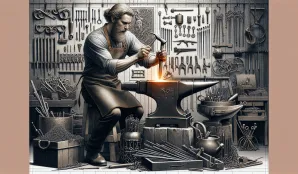
A Konstsmed works with designing and manufacturing artistic objects and details in metal, often iron or steel. Tasks can range from creating wrought iron grilles, gates, and railings to more advanced artworks and decorations for public spaces or private clients. The work usually takes place in a smithy where high temperatures, heavy tools, and machinery are used daily. The Konstsmed combines traditional craftsmanship with modern technology and works both independently and in collaboration with other professionals such as architects, designers, and conservationists. The work environment is characterized by creativity, physical activity, and a wide variation in project scope and design.
Read more ->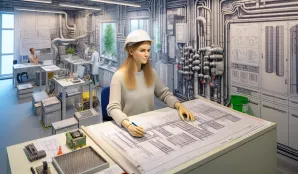
A Construction Engineer in HVAC works on designing and planning ventilation, heating, and sanitation systems in everything from residential buildings and offices to industrial facilities. Common tasks include preparing drawings and technical solutions, sizing piping systems, selecting materials, and ensuring installations meet current standards and requirements. Collaboration with architects, project managers, and contractors is often close, as HVAC systems must be integrated with other building technical systems. The work environment is mainly office-based, but site visits occur, especially during construction start-up and inspections.
Read more ->
Textile and wood construction engineers develop technical solutions and drawings for products and structures made from these materials. Tasks often include design, development, testing prototypes, and optimizing production processes. The role also involves collaborating with designers, engineers, and production teams to ensure products meet both functional and aesthetic requirements. The work environment varies and can include office work at computers and practical work in workshops or production, depending on the project phase and focus.
Read more ->
Mechanical engineering designers with a university engineering degree are responsible for developing, designing, and improving mechanical products and systems. Tasks include creating drawings and technical specifications, performing analyses and simulations to ensure product functionality and quality. These professionals often work in teams with other engineers, technicians, and sometimes production staff to bring ideas from concept to finished product. The work environment is typically office-based but may also involve visits to production sites or customer locations depending on project requirements. Modern digital tools and CAD software are used daily, and the work emphasizes precision, analytical skills, and technical creativity.
Read more ->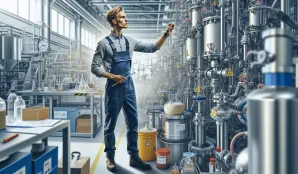
A process engineer in chemical engineering works on developing and optimizing processes, facilities, and products where chemical reactions and material properties are central. Common tasks include designing process flows, constructing equipment and apparatus, and evaluating safety and environmental impacts within the industry. The work is often carried out in close collaboration with engineers, researchers, and production technicians, where project management and problem-solving are key elements. The work environment is usually office-based, but inspections and work in plant environments can also occur, especially during project implementation and commissioning.
Read more ->
A power engineer works with planning, designing, and developing technical solutions for power grids, power stations, transformers, and other power transmission systems. Tasks often include project planning, calculations, technical documentation, and coordination with other engineers and technicians. Typical work environments are offices, but site visits to power plants or construction sites also occur. The role requires precision, analytical skills, a strong technical interest, and good teamwork skills, as work is often project-based with colleagues from various disciplines.
Read more ->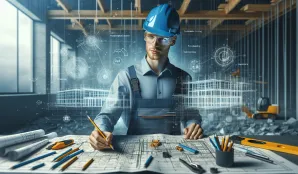
A construction engineer in building and civil engineering is responsible for developing technical solutions and drawings for construction projects such as bridges, houses, roads, and other infrastructures. Tasks include analyzing structural requirements, sizing materials and load-bearing components, and coordinating with architects, project managers, and contractors. The work is often project-based and can take place both at offices and on construction sites, where technical challenges need to be solved in close collaboration with other professionals. The environment is characterized by a fast pace, technical innovation, and demands for precision, with safety and sustainability in focus.
Read more ->