News and articles
- Home
- Articles






Latest posts

A telecommunications engineer with a university engineer degree is responsible for developing, designing, and improving technical solutions for communication systems. Tasks often include network construction, installation and optimization of telecommunications equipment, as well as troubleshooting technical faults. Collaboration typically occurs with project managers, technicians, and other engineers in both small and large projects. The work environment is mainly office-based but may also involve visits to facilities and workplaces for installation or troubleshooting. Flexibility and the ability to work with advanced technology are central qualities in the profession.
Read more ->
A telecommunications engineer, civil engineer, works on developing, designing, and optimizing technical solutions for communication systems. Tasks often include creating drawings and specifications for networks, radio links, fiber optics, or wireless communication, as well as analyzing and solving technical problems in existing and new systems. The role also involves close collaboration with project managers, technicians, and other engineers to ensure solutions meet both technical and business requirements. The work environment is typically office-based but may include visits to facilities, laboratories, or fieldwork during installation and troubleshooting. The role requires a high ability to work independently and in teams, with a strong focus on quality and safety.
Read more ->-

Opinion Landscape: Novus February 2026 – Social Democrats Still Largest
Thu, 19 Feb 2026 - 01:35 -

Policy rate remains at 1.75% – Riksbank signals stability
Thu, 29 Jan 2026 - 14:02

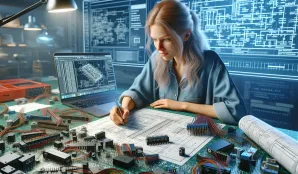
An electronics designer with a university engineering degree primarily works on developing, designing, and improving electronic systems and components. Tasks often include designing circuit boards, programming embedded systems, and testing and verifying electronic solutions. The work is carried out in close collaboration with other engineers, project managers, and sometimes clients to develop tailored technical solutions. The daily work environment is usually office-based but can also include laboratory work for testing and prototyping. Many use CAD tools and advanced measuring instruments to ensure high product quality.
Read more ->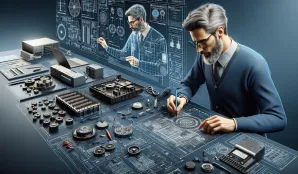
An electronics designer, civil engineer, works with developing, designing, and improving electronic systems and components. Common tasks include creating technical drawings, performing simulations, conducting tests, and working on product development in teams. The profession often involves close collaboration with other engineers, project managers, and sometimes clients to ensure solutions meet both technical and commercial requirements. The work environment is usually office-based, but laboratory work or work at production facilities occurs depending on the project phase and focus.
Read more ->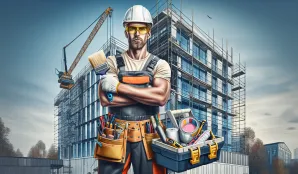
Construction Painters work on painting and corrosion protection of steel structures at construction sites, industrial facilities, and infrastructure projects. Tasks include surface preparation, application of various paint systems, and quality control according to applicable standards. The work often takes place at high altitudes or in confined spaces, requiring good physical condition and precision. The work environment can be challenging with exposure to dust, solvents, and noise, making safety routines an important part of daily work.
Read more ->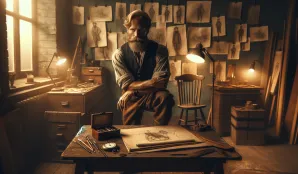
An artist's model primarily works by posing or sitting for artists, art students, and sometimes photographers to contribute to artistic creation and education. Tasks can vary from posing for life drawing, painting, sculpture, or other artistic forms, often for extended periods in the same position. The work environment is usually quiet and focused, where the model is expected to stay still and pay attention to instructions from the artist or instructor. The profession requires patience, body control, and an understanding of artistic processes, while the environment is often safe and respectful.
Read more ->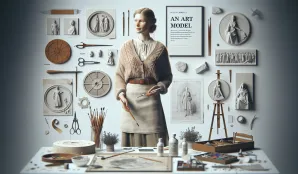
An art model primarily works by posing for artists, art schools, and educational institutions, where the goal is to facilitate studies of anatomy, movement, and proportions. The tasks often involve holding still poses for extended periods, sometimes both clothed and unclothed, depending on the assignment and artistic focus. The work environment varies between studios, schools, and artistic workshops, where the work is carried out in close collaboration with artists and students. The profession demands high endurance, body control, and the ability to perform professionally in various settings.
Read more ->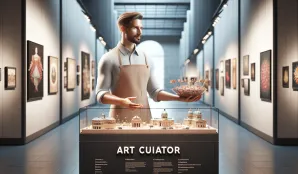
An art curator is responsible for planning, developing, and executing art exhibitions at museums, art galleries, and public spaces. The role involves designing exhibition concepts, selecting and loaning artworks, managing contacts with artists and collectors, and writing texts for catalogs and informational materials. The work environment is often project-based with intense periods before openings and vernissages, but also includes long-term strategic work with collection management, research, and audience engagement. Art curators work closely with technicians, educators, and communicators, and operate both independently and in teams.
Read more ->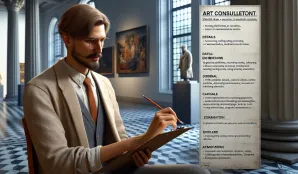
An art consultant works with mediating, evaluating, and proposing artworks for various environments such as public buildings, companies, institutions, and private collections. The role involves analyzing client needs, developing art plans, making purchases or commissions, and coordinating installations and exhibitions. Contact with artists, galleries, property owners, and architects is common, as is advising on artistic design and managing existing art collections. The work environment varies between office work, site visits, project meetings, and sometimes travel to inspect or install artworks.
Read more ->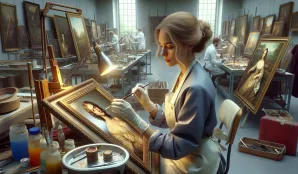
A conservator works with preserving, restoring, and examining artworks and cultural objects. The role involves analyzing materials, documenting damages, and performing conservation treatments to ensure that art and historical items are preserved for future generations. The work can include paintings, sculptures, textiles, paper, and modern materials. A large part of the work is done in studios or laboratories, but also at museums, archives, or directly with private individuals and institutions. The work environment requires high precision, patience, and often teamwork with other specialists such as museum directors and researchers.
Read more ->