News and articles
- Home
- Articles






Latest posts
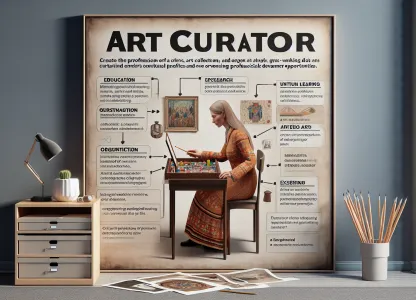
A curator is responsible for managing, developing, and making art collections accessible within museums, art galleries, or other cultural institutions. Their main tasks include planning and organizing exhibitions, working with art education and audience engagement, as well as documenting and cataloging artworks. Many curators also participate in acquiring new works, collaborate with artists, and contribute to the institution's long-term strategy for art activities. The work environment is often creative but can be demanding, as it involves high responsibility for artworks and public processes, as well as close collaboration with colleagues in various roles.
Read more ->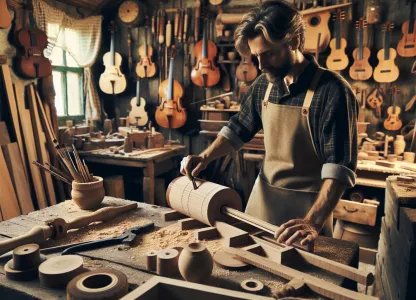
A wood artisan works with designing, creating, and restoring objects and products in wood. Tasks can include making unique furniture, sculptures, utility items, artworks, or musical instruments. The work often takes place in a personal studio or workshop, but there are also opportunities to be employed by companies in design, furniture manufacturing, or the cultural sector. The work environment is characterized by craftsmanship precision, working with both hand tools and machines, and handling different types of wood and surface treatments. Creativity, patience, and attention to detail are important qualities, as well as knowledge about materials and techniques.
Read more ->-

Opinion Landscape: Novus February 2026 – Social Democrats Still Largest
Thu, 19 Feb 2026 - 01:35 -

Policy rate remains at 1.75% – Riksbank signals stability
Thu, 29 Jan 2026 - 14:02


A Konstfiberberedare works with manufacturing, processing, and refining synthetic fibers used in the textile, leather, and tanning industries. The profession often involves monitoring and controlling machines and processes where synthetic fibers are produced and treated to achieve desired properties for further use. Tasks can include starting, supervising, and adjusting machines, performing quality control, and simple maintenance. The work environment is typically industrial, with shift work and demands for precision and adherence to safety procedures. The work can be both physically demanding and monotonous, but also requires technical knowledge and the ability to quickly resolve issues that arise during production.
Read more ->
A figure skating coach works on instructing and developing skaters at various levels, from beginners to elite athletes. Responsibilities include planning and conducting training sessions on the ice, analyzing skaters' techniques, providing individual feedback, and designing training programs. The coach also motivates skaters, monitors their progress, and prepares them for competitions. The work environment mainly consists of ice rinks and training facilities, with working hours often scheduled in the evenings and on weekends to accommodate the athletes' schedules. The profession involves close collaboration with skaters, parents, and sometimes other coaches or physiotherapists to create optimal conditions for development and performance.
Read more ->
A console operator primarily monitors, controls, and ensures the operation of IT systems and technical infrastructures in larger organizations. The profession involves managing operational alarms, initiating actions during system failures, and reporting and documenting incidents in technical environments. Console operators often work in shifts, as monitoring is required 24/7, and the work environment is typically located in open-plan offices or dedicated control centers. A strong focus is placed on accuracy, problem-solving skills, and the ability to act quickly during incidents.
Read more ->
A Conservator Cook primarily works within the food industry, manufacturing canned products, often meat, fish, or vegetables. The profession involves responsibility for monitoring and controlling machines that cook, seal, and sterilize canned goods. Work is often performed in a production environment where hygiene standards and safety procedures are very important. It also includes performing quality checks, ensuring machinery functions correctly, and documenting production results. The work environment is characterized by shift work, noise, and sometimes heavy lifting, but modern industry often has automated processes that facilitate daily tasks.
Read more ->
A conservator specializing in paintings works to preserve, restore, and analyze artworks, often of high cultural and historical value. Tasks include cleaning and stabilizing paint layers, extensive reconstruction of damaged artworks, thorough documentation, and investigation of materials and techniques. Providing advice to museums, churches, and private collectors on conservation measures and preventive care is also central. The work takes place both in studios and on-site at clients’ locations, involving varied environments with high demands for precision, patience, and a keen eye for detail.
Read more ->
A conservator specializing in stone works to preserve, restore, and protect objects and environments made of stone material. Tasks can include cleaning and stabilizing sculptures and monuments, as well as advanced conservation of architectural details and archaeological finds. The work is often carried out in museums, churches, cultural environments, or directly on-site at culturally significant locations. The environment can range from laboratory-like indoor settings to outdoor work under varying weather conditions, requiring both precision and physical endurance.
Read more ->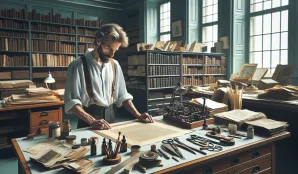
A paper conservator is responsible for preserving, restoring, and protecting various paper-based objects, such as historical documents, books, posters, and artworks. The work involves analyzing damages, choosing appropriate conservation methods, and documenting processes carefully. Many work in museums, archives, or libraries, but assignments can also be carried out for private collections or within cultural heritage preservation. The work environment often resembles a laboratory, with special control of light, temperature, and humidity to ensure optimal conditions for sensitive materials.
Read more ->
A conservator within archaeology works with preserving, restoring, and analyzing archaeological finds and cultural heritage objects. The profession often involves working with items discovered during excavations, including ceramics, metals, textiles, and organic materials such as wood or bone. Tasks include documentation, conservation, damage assessment, and advice on storage and handling. The work is carried out both in laboratory settings and in the field, often in close collaboration with archaeologists, museum staff, and other specialists. The work environment can vary from modern laboratories to provisional work sites at excavation locations, requiring flexibility and precision.
Read more ->