- Salary statistics
- Art curator salary
Art curator salary
Latest available salary statistics are for 2025. Compare average pay, salary range and related job listings.
43 692 - 41 986 SEK / month
Kultur, media, design
Related tools
Salary progression Art curator
What does a Conservator do? – Tasks and Work Environment
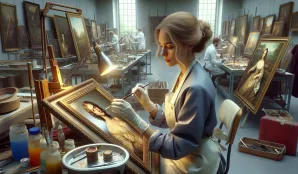
A conservator works with preserving, restoring, and examining artworks and cultural objects. The role involves analyzing materials, documenting damages, and performing conservation treatments to ensure that art and historical items are preserved for future generations. The work can include paintings, sculptures, textiles, paper, and modern materials. A large part of the work is done in studios or laboratories, but also at museums, archives, or directly with private individuals and institutions. The work environment requires high precision, patience, and often teamwork with other specialists such as museum directors and researchers.
Salary Development Over Time
The salary for conservators has steadily increased over the past three years. In 2022, the average salary was 36,200 SEK per month, rising to 39 779 SEK in 2023. During 2024, the salary continued upward and now stands at 41 986 SEK per month, representing a total increase of approximately 10% over the three-year period. This positive trend can partly be explained by an increased focus on cultural heritage and higher demand for qualified conservation services, especially within museums and public institutions. At the same time, higher education levels and specialization have contributed to the salary growth. The long-term industry trend indicates an increasing need for expertise, which may influence salary prospects in the future.
Conservator Salary – Complete Overview
- Average salary: 41 986 SEK/month
- Lowest/Highest salary: Data not available
- Hourly wage: 239 SEK
- Gender differences: Data not available
- Regional differences: Data not available
Education and Qualifications
The path to becoming a conservator typically involves higher education in conservation or cultural heritage. The profession requires both theoretical knowledge of materials and techniques, as well as practical skills acquired through internships and mentorship. To work professionally, a master's degree is often required, and competition for admission to programs is high.
- Formal degree: Bachelor's (3 years) or master's (total 5 years) in conservation or equivalent
- Certifications/Courses: Specialized courses in material analysis and restoration
- Internships/Traineeships: Longer internships at museums or conservation studios are common
- Prerequisites: Basic university eligibility, often with specific requirements in science subjects
- Advice for applicants: Early internships and networking within the cultural sector increase chances of employment
Many conservators work internationally and collaborate with museums and research institutions worldwide, opening doors to exciting projects abroad.
Common Benefits and Compensation
Conservators often receive benefits such as wellness allowances, flexible working hours, and opportunities for professional development through courses and travel to international conferences. Some employers also offer extra vacation days and subsidized meals, especially at larger museums and public institutions.
Competition and Challenges
The competition for positions as a conservator is high, partly due to limited educational places and employers in the sector. Many jobs are linked to museums, archives, or larger collections, which makes the job market somewhat geographically concentrated. An additional challenge is the need for continuous education to stay updated on new materials and methods. Project-based employment and temporary assignments are common, especially for recent graduates, which can impact financial security. However, opportunities exist for those who are flexible and willing to work internationally or specialize in niche materials.
Tips for Aspiring Conservators
To succeed as a conservator, a genuine interest in cultural heritage and a lot of patience are essential, as the work often requires meticulous attention to detail and long-term planning. Practical experience is invaluable, so seek internships early and be curious about different materials and techniques. Analytical skills are important, as much of the work involves understanding and interpreting complex damages and degradation processes. Teamwork skills facilitate collaboration, as many projects are done in teams with other specialists. Staying updated through further education and international contacts is also wise, since the field is constantly evolving. Creativity and problem-solving skills are appreciated, especially when facing unexpected challenges. Finally, resilience and flexibility are important, as the job market can be challenging, and securing permanent positions often requires dedication and patience.
Key Facts about Conservators
- Education level: Master's degree recommended
- Work environment: Studio, laboratory, and museums
- Common employment type: Project-based and temporary assignments
- Demand: 620 available jobs within the profession
- Special skills: Material analysis and restoration techniques
Career Paths and Future Outlook
After three to five years in the profession, there are opportunities to take on greater responsibilities, such as project manager for larger conservation projects or specialist in a specific material area. Some conservators choose to work in research or teaching, while others start their own businesses or work as consultants for various institutions. According to the Swedish Public Employment Service's forecasts, it is difficult to make an exact assessment for conservators, as the profession is part of a broader occupational group with limited data. However, the number of available jobs indicates some mobility in the job market. Those who are flexible and open to international assignments often find more opportunities, especially within larger museums and cultural institutions.
Frequently Asked Questions about Conservators
- What does a conservator earn?
- A conservator has an average salary of 41 986 SEK per month. - How do I become a conservator?
- By completing a university education in conservation, often leading to a master's degree, along with internships and specialized courses. - What workplaces are most common?
- Most conservators work at museums, cultural institutions, private studios, or as consultants. - What is the job market like?
- The job market is competitive, but there are 620 available positions in the profession. - What qualities are important?
- Attention to detail, analytical skills, teamwork, and interest in cultural heritage are key qualities. - Are there regional salary differences?
- Specific data on regional salary differences is not available for this profession. - What related professions exist?
- Related professions include museum director, archaeologist, and fine artist.

Salary distributed by age and sector

About the data
All information displayed on this page is based on data from the Swedish Central Bureau of Statistics (SCB), the Swedish Tax Agency and the Swedish employment agency. Learn more about our data and data sources here.
All figures are gross salaries, meaning salaries before tax. The average salary, or mean salary, is calculated by adding up the total salary for all individuals within the profession and dividing it by the number of individuals. For specific job categories, we have also considered various criteria such as experience and education.
Profession Art curator has the SSYK code 2651, which we use to match against the SCB database to obtain the latest salary statistics.


Compare salary, work tasks and job outlook in adjacent occupations to find roles with similar skills or pay levels.
-

Average salary: 42 300 SEK/month • Kultur, media, design
Image and broadcast technicians
Compare with Art curator
Tue, 14 Jul 2026 - 16:17 -
Average salary: 41 986 SEK/month • Kultur, media, design
Visual artists etc.
Compare with Art curator
Tue, 14 Jul 2026 - 16:31 -

Average salary: 47 400 SEK/month • Kultur, media, design
Musicians, singers and composers
Compare with Art curator
Tue, 14 Jul 2026 - 19:02 -

Average salary: 39 900 SEK/month • Kultur, media, design
Interior designers, decorators and scenographers etc.
Compare with Art curator
Tue, 14 Jul 2026 - 10:07 -

Average salary: 38 900 SEK/month • Kultur, media, design
Librarians and archivists
Compare with Art curator
Tue, 14 Jul 2026 - 10:06 -

Average salary: 38 500 SEK/month • Kultur, media, design
Photographers
Compare with Art curator
Tue, 14 Jul 2026 - 14:13


