News and articles
- Home
- Articles






Latest posts
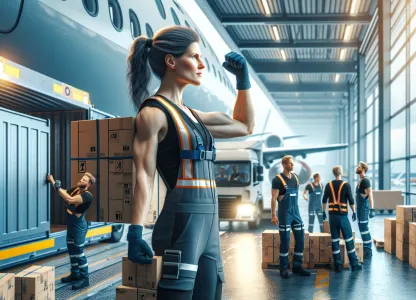
A freight handler primarily works with transporting goods and cargo within warehouses, terminals, airports, or other logistics environments. The tasks often include loading, unloading, and moving heavy and bulky goods using tools such as hand trucks, tug vehicles, or carts. The work environment is usually physically demanding and often involves shift work, sometimes under time pressure to meet transport and delivery deadlines. Safety and ergonomics are important aspects, as the work can involve heavy lifts and movement in traffic-intensive areas.
Read more ->
A goods central manager is responsible for the daily operations at a goods center, where large volumes of goods are coordinated, handled, and distributed to recipients. Tasks include managing staff, planning transports, optimizing logistics flows, and communicating with carriers and customers. The role often involves close collaboration with other departments such as warehousing and purchasing to ensure deliveries are efficient and timely. The work environment combines office work with regular presence on-site, requiring flexibility and the ability to handle rapid changes.
Read more ->-

Opinion Polls: Kantar-Sifo shows increased support for S, decline for SD and C
Fri, 13 Feb 2026 - 01:35 -

Policy rate remains at 1.75% – Riksbank signals stability
Thu, 29 Jan 2026 - 14:02

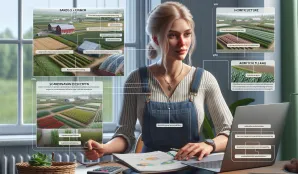
Estate owners in agriculture and horticulture are responsible for the operation, development, and maintenance of larger agricultural and horticultural properties. Tasks include planning growing seasons, managing machinery, personnel leadership, budgeting, and product sales. The role also involves environmental protection, animal husbandry, and implementing new cultivation methods and techniques. The working environment is often varied, with much outdoor work affected by changing weather and seasonal variations. Contact with suppliers, customers, and authorities is also a natural part of the profession.
Read more ->
Landowners within forestry, trees, and shrubs are responsible for managing and developing larger agricultural estates focused on growing trees, shrubs, fruit, and berries. Tasks include planning and managing land, purchasing plants and machinery, overseeing harvests, marketing, and personnel management. Collaborations with agronomists, machine operators, and seasonal workers are common. The work environment is largely outdoor and seasonal, with intense periods in spring and autumn, and more administrative work during winter months. The role requires flexibility, leadership skills, and a comprehensive understanding of both economics and production.
Read more ->
A landowner within agriculture focusing on crops is responsible for managing and developing larger farming operations with an emphasis on cultivating cereals, oilseeds, legumes, and other crops. Tasks include planning crop rotations, purchasing seeds and fertilizers, overseeing sowing, harvesting, and storage, as well as managing machinery and staff. The role also involves significant responsibility for finances, budgeting, and long-term investments in technology and sustainable farming methods. The work environment varies between office work, meetings, and field activities, where weather and season have a major impact on workload.
Read more ->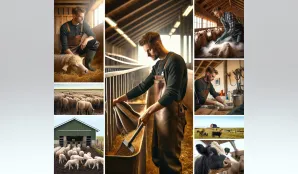
An estate owner in agriculture focusing on livestock breeding is responsible for operating, developing, and leading activities centered on breeding farm animals, such as cattle, sheep, pigs, or poultry. Tasks include animal care, production planning, finances, investments, and personnel management. Often, there is also responsibility for machinery, buildings, and land, as well as ensuring compliance with laws and regulations regarding animal welfare, environmental standards, and food safety. The work environment is varied and may involve both outdoor practical work and indoor administrative tasks, with seasonal variations and animal needs influencing the workdays.
Read more ->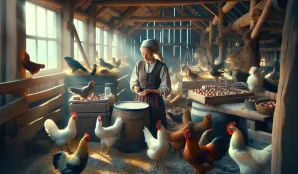
A landowner in agriculture focusing on poultry breeding is responsible for the operation and management of farms where the main focus is on raising poultry, such as chickens, hens, or turkeys. Tasks include planning production, purchasing feed and materials, overseeing animal health, and monitoring care routines. The role also involves personnel management, financial administration, and contact with suppliers and customers. The work environment is often varied and can include administrative work as well as practical tasks in stables and on the farm, with workdays driven by animal needs and seasonal changes.
Read more ->
An estate owner in agriculture focusing on mixed crops is responsible for the operation, planning, and development of larger agricultural properties where multiple crops are cultivated. Tasks include leading and coordinating everything from soil preparation, sowing, and harvesting to finance, personnel management, and machinery maintenance. The work often combines traditional fieldwork with administrative tasks such as budgeting, purchasing, and selling agricultural products. The work environment can vary between office work and outdoor practical work, with seasonal variations and weather conditions significantly affecting the workday.
Read more ->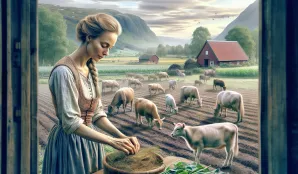
An estate owner in mixed farming is responsible for both crop cultivation and animal husbandry on a larger farm or estate. The profession includes management, planning of production, finance and investments, as well as daily operations of land and animal care. The work environment is varied, consisting of both office work and physical outdoor tasks, often in changing weather and with high demands for responsibility. The estate owner’s role also involves contact with suppliers, authorities, and sometimes employees or seasonal workers, requiring good organizational skills and leadership qualities.
Read more ->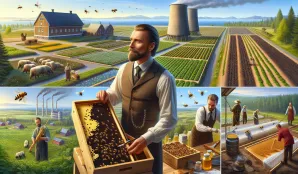
A landowner, agricultural beekeeper, and silk farmer is responsible for operating and developing a farm where beekeeping and silk farming may be specialized activities. Tasks include everything from planning crops, caring for bees and silkworms, to financial management and marketing of the farm’s products. The work is often outdoors and involves physically demanding tasks as well as administrative work. The work environment varies between fields, barns, and offices, and seasonal workload can fluctuate significantly.
Read more ->