- Salary statistics
- Greenkeeper salary
Greenkeeper salary
Latest available salary statistics are for 2025. Compare average pay, salary range and related job listings.
28 200 - 38 000 SEK / month
Women earn 97% of what men do.
Naturbruk
Related tools
Salary progression Greenkeeper
What does a Greenkeeper do? – Tasks and work environment
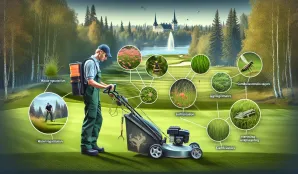
A Greenkeeper is responsible for the maintenance, development, and upkeep of golf course greens, fairways, and tee areas. The work includes mowing, watering, fertilizing, weed control, repairing damages, and planning long-term measures to maintain and improve playing surfaces. Skills in machinery operation, plant knowledge, and problem-solving are central, and the work environment is mostly outdoors, often in varying weather conditions and early mornings. During peak season, weekend and evening work are common, and tasks can be physically demanding and technically advanced.
Salary development over time
The salary for a Greenkeeper has steadily increased over the past three years. In 2022, the average was 29,100 SEK per month, rising the following year to 30 800. In 2024, the average salary has reached 32 000 per month, representing an increase of approximately 5.8% over three years. This trend is linked to increased professionalism in the field and gradual adjustments to general salary increases in the labor market, rather than rising demand. The Greenkeeper market has been relatively stable, but since the profession is categorized under landscape gardeners, salary levels are also affected by competition and labor supply in the broader field.
Greenkeeper salary – comprehensive overview
- Average salary: 32 000 SEK/month
- Lowest salary: 26,700 SEK/month (female, private sector employee)
- Highest salary: 34,600 SEK/month (female, municipal sector)
- Hourly wage: 185 SEK/hour (based on 166 hours/month)
- Gender difference: Women earn 31 300 SEK, men 32 300 SEK (women earn 97% of men's salary)
- Regional differences: No data available
Education and qualifications
To work as a Greenkeeper, a high school diploma with specialization in horticulture, landscaping, and construction is usually required, often supplemented with courses in golf course maintenance. Practical experience is highly valued, and many employers prefer candidates who have completed a Greenkeeper-specific training or courses from the Swedish Golf Federation. Personal qualities such as thoroughness, responsibility, and interest in plant environments are important for success in the profession.
- High school education: Horticulture/landscape and construction, 3 years
- Specialized courses: Greenkeeper training via industry organizations
- Certifications: Possibility to obtain industry certifications, e.g., through the Swedish Golf Federation
- Internships: Internships or trainee positions at golf clubs are recommended
- Prerequisites: Interest in science, machinery, and outdoor work
Many Greenkeepers develop a deep understanding of the golf course ecosystems over time and become key persons in environmental certifications and sustainability efforts. The profession thus offers opportunities to combine nature interest with advanced technology and long-term environmental thinking.
Common benefits and compensations
Greenkeepers are often offered benefits such as work clothing, wellness allowances, and opportunities for further training. Other common compensations may include overtime pay for early mornings, evenings, and weekends, as well as insurance through the employer. Many golf clubs also provide staff discounts and benefits related to the club’s activities.
Competition and challenges
The competition for jobs as a Greenkeeper is considered low nationally, with an oversupply of applicants in the landscape gardening sector. According to the Swedish Public Employment Service’s forecast, demand is expected to remain unchanged over the next five years, meaning job opportunities will stay relatively limited. Challenges in the profession include physically demanding tasks, weather-dependent work, and high demands for precision and responsibility. Additionally, Greenkeepers are expected to continually update their knowledge in plant protection and environmental technology, requiring engagement and flexibility.
Tips for aspiring Greenkeepers
To succeed as a Greenkeeper, it is helpful to combine a genuine interest in nature with practical problem-solving skills. Attention to detail is important because small factors can affect the quality of the golf course, and technical interest facilitates handling advanced machinery and irrigation systems. Being responsible and flexible is valuable, especially during busy periods with early mornings and changing weather. Gaining as much practical experience as possible, preferably on different types of golf courses, and staying updated on new research in plant protection and sustainability is recommended. Social skills and the ability to collaborate with others at the club are also central to thriving and developing in the role.
Key facts about Greenkeepers
- Salary range: 26,700–34,600 SEK/month
- Education level: High school diploma, often with specialized courses
- Work environment: Outdoors, physically demanding and varied
- Demand: Limited job opportunities, oversupply of applicants
- Occupational group: Landscape gardeners, etc.
Career paths and future prospects
After three to five years in the profession, there are opportunities to advance to supervisory roles, such as senior Greenkeeper or course manager at a larger golf club. Some choose to specialize in machinery, environmental certification, or training new Greenkeepers. Forecasts from the Swedish Public Employment Service indicate that the job market remains stable but competitive, with relatively few new positions and a surplus of qualified applicants in the landscape gardening sector. Those pursuing further education and specialization in environmental and sustainability issues can increase their chances of development and employment. Currently, there are about 360 job openings nationwide in the field.
Frequently asked questions about Greenkeepers
- What is the average salary of a Greenkeeper?
- The average salary is 32 000 SEK/month. - What are the highest and lowest salaries for a Greenkeeper?
- The highest is 34,600 SEK/month, the lowest is 26,700 SEK/month. - What are the gender differences in Greenkeeper salaries?
- Women earn 31 300 SEK, men 32 300 SEK; women earn 97% of men's salaries. - What education is required to become a Greenkeeper?
- High school diploma with specialization in horticulture/landscape and construction, along with specialized courses in golf course maintenance. - What is the job market like for Greenkeepers?
- Opportunities are limited, with an oversupply of applicants. - What tasks does a Greenkeeper perform?
- Maintenance of golf course turf, machinery handling, watering, and environmental work. - Are there career paths within the profession?
- Yes, for example, supervisor, course manager, or environmental technician.

Salary distributed by age and sector
| Age | Base salary | Monthly salary | |
|---|---|---|---|
| 18-24 | 107% | 27500 kr | 27900 kr |
| 25-34 | 99% | 30200 kr | 30600 kr |
| 35-44 | 104% | 31100 kr | 31400 kr |
| 45-54 | 94% | 34400 kr | 34800 kr |
| 55-64 | 97% | 32100 kr | 32400 kr |
| 65-68 | 30300 kr | 30600 kr | |
| Snitt | 97% | 31700 kr | 32000 kr |
| Age | Base salary | Monthly salary | |
|---|---|---|---|
| 18-24 | 101% | 26600 kr | 28400 kr |
| 25-34 | 99% | 29800 kr | 30800 kr |
| 35-44 | 100% | 31400 kr | 31900 kr |
| 45-54 | 100% | 31400 kr | 32100 kr |
| 55-64 | 100% | 31500 kr | 32100 kr |
| 65-68 | 100% | 32100 kr | 32900 kr |
| Snitt | 99% | 31000 kr | 31700 kr |
| Age | Base salary | Monthly salary | |
|---|---|---|---|
| 25-34 | 108% | 29400 kr | 29400 kr |
| 35-44 | 103% | 30000 kr | 30100 kr |
| 45-54 | 100% | 31300 kr | 31600 kr |
| 55-64 | 92% | 30500 kr | 30900 kr |
| 65-68 | 35300 kr | 35300 kr | |
| Snitt | 98% | 30700 kr | 30900 kr |
| Age | Base salary | Monthly salary | |
|---|---|---|---|
| 18-24 | 101% | 26600 kr | 28400 kr |
| 25-34 | 99% | 29800 kr | 30800 kr |
| 35-44 | 100% | 31300 kr | 31900 kr |
| 45-54 | 100% | 31400 kr | 32100 kr |
| 55-64 | 100% | 31400 kr | 32000 kr |
| 65-68 | 99% | 32000 kr | 32900 kr |
| Snitt | 99% | 30900 kr | 31700 kr |
| Age | Base salary | Monthly salary | |
|---|---|---|---|
| 25-34 | 103% | 30300 kr | 30600 kr |
| 35-44 | 98% | 33500 kr | 33600 kr |
| 45-54 | 96% | 33200 kr | 33300 kr |
| 55-64 | 120% | 35100 kr | 35400 kr |
| Snitt | 103% | 33300 kr | 33500 kr |
| Age | Base salary | Monthly salary | |
|---|---|---|---|
| 18-24 | 27600 kr | 27800 kr | |
| 25-34 | 99% | 30300 kr | 30500 kr |
| 35-44 | 105% | 31100 kr | 31300 kr |
| 45-54 | 93% | 35200 kr | 35500 kr |
| 55-64 | 96% | 32200 kr | 32500 kr |
| Snitt | 96% | 31800 kr | 32100 kr |
| Age | Base salary | Monthly salary | |
|---|---|---|---|
| 18-24 | 27600 kr | 27800 kr | |
| 25-34 | 99% | 30300 kr | 30500 kr |
| 35-44 | 105% | 31100 kr | 31300 kr |
| 45-54 | 93% | 35200 kr | 35500 kr |
| 55-64 | 96% | 32200 kr | 32500 kr |
| Snitt | 96% | 31800 kr | 32100 kr |
| Age | Base salary | Monthly salary | |
|---|---|---|---|
| 18-24 | 107% | 26900 kr | 27300 kr |
| 25-34 | 99% | 30200 kr | 30600 kr |
| 35-44 | 104% | 30700 kr | 31100 kr |
| 45-54 | 94% | 35000 kr | 35400 kr |
| 55-64 | 97% | 32300 kr | 32600 kr |
| 65-68 | 32900 kr | 33300 kr | |
| Snitt | 97% | 31900 kr | 32300 kr |
| Age | Base salary | Monthly salary | |
|---|---|---|---|
| 18-24 | 101% | 26800 kr | 28300 kr |
| 25-34 | 99% | 29800 kr | 30800 kr |
| 35-44 | 100% | 31300 kr | 32000 kr |
| 45-54 | 100% | 31200 kr | 32100 kr |
| 55-64 | 100% | 31400 kr | 32100 kr |
| 65-68 | 100% | 32000 kr | 33000 kr |
| Snitt | 99% | 30900 kr | 31800 kr |
| Age | Base salary | Monthly salary | |
|---|---|---|---|
| 25-34 | 108% | 27800 kr | 27800 kr |
| 35-44 | 103% | 29400 kr | 29500 kr |
| 45-54 | 100% | 31500 kr | 31500 kr |
| 55-64 | 92% | 32500 kr | 32600 kr |
| Snitt | 98% | 31200 kr | 31200 kr |
| Age | Base salary | Monthly salary | |
|---|---|---|---|
| 18-24 | 101% | 26800 kr | 28300 kr |
| 25-34 | 99% | 29800 kr | 30900 kr |
| 35-44 | 100% | 31200 kr | 32000 kr |
| 45-54 | 100% | 31200 kr | 32100 kr |
| 55-64 | 100% | 31300 kr | 32100 kr |
| 65-68 | 99% | 31900 kr | 32900 kr |
| Snitt | 99% | 30900 kr | 31800 kr |
| Age | Base salary | Monthly salary | |
|---|---|---|---|
| 25-34 | 103% | 29500 kr | 30100 kr |
| 35-44 | 98% | 33700 kr | 34000 kr |
| 45-54 | 96% | 33700 kr | 33900 kr |
| 55-64 | 120% | 31500 kr | 32100 kr |
| Snitt | 103% | 32700 kr | 33000 kr |
| Age | Base salary | Monthly salary | |
|---|---|---|---|
| 18-24 | 26900 kr | 27100 kr | |
| 25-34 | 99% | 30300 kr | 30600 kr |
| 35-44 | 105% | 30600 kr | 30800 kr |
| 45-54 | 93% | 35900 kr | 36200 kr |
| 55-64 | 96% | 32600 kr | 32800 kr |
| Snitt | 96% | 32100 kr | 32400 kr |
| Age | Base salary | Monthly salary | |
|---|---|---|---|
| 18-24 | 26900 kr | 27100 kr | |
| 25-34 | 99% | 30300 kr | 30600 kr |
| 35-44 | 105% | 30600 kr | 30800 kr |
| 45-54 | 93% | 35900 kr | 36200 kr |
| 55-64 | 96% | 32600 kr | 32800 kr |
| Snitt | 96% | 32100 kr | 32400 kr |
| Age | Base salary | Monthly salary | |
|---|---|---|---|
| 18-24 | 107% | 28700 kr | 29100 kr |
| 25-34 | 99% | 30100 kr | 30400 kr |
| 35-44 | 104% | 31900 kr | 32200 kr |
| 45-54 | 94% | 32900 kr | 33200 kr |
| 55-64 | 97% | 31400 kr | 31600 kr |
| Snitt | 97% | 31000 kr | 31300 kr |
| Age | Base salary | Monthly salary | |
|---|---|---|---|
| 18-24 | 101% | 26300 kr | 28600 kr |
| 25-34 | 99% | 29800 kr | 30700 kr |
| 35-44 | 100% | 31500 kr | 31800 kr |
| 45-54 | 100% | 31800 kr | 32100 kr |
| 55-64 | 100% | 31800 kr | 32100 kr |
| 65-68 | 100% | 32600 kr | 32800 kr |
| Snitt | 99% | 31100 kr | 31600 kr |
| Age | Base salary | Monthly salary | |
|---|---|---|---|
| 25-34 | 108% | 30000 kr | 30000 kr |
| 35-44 | 103% | 30500 kr | 30500 kr |
| 45-54 | 100% | 31100 kr | 31700 kr |
| 55-64 | 92% | 29200 kr | 29800 kr |
| Snitt | 98% | 30300 kr | 30600 kr |
| Age | Base salary | Monthly salary | |
|---|---|---|---|
| 18-24 | 101% | 26300 kr | 28600 kr |
| 25-34 | 99% | 29800 kr | 30700 kr |
| 35-44 | 100% | 31400 kr | 31800 kr |
| 45-54 | 100% | 31800 kr | 32100 kr |
| 55-64 | 100% | 31700 kr | 32000 kr |
| 65-68 | 99% | 32400 kr | 32700 kr |
| Snitt | 99% | 31000 kr | 31500 kr |
| Age | Base salary | Monthly salary | |
|---|---|---|---|
| 25-34 | 103% | 31000 kr | 31100 kr |
| 35-44 | 98% | 33300 kr | 33300 kr |
| 45-54 | 96% | 32600 kr | 32700 kr |
| 55-64 | 120% | 38600 kr | 38600 kr |
| Snitt | 103% | 33900 kr | 34000 kr |
| Age | Base salary | Monthly salary | |
|---|---|---|---|
| 25-34 | 99% | 30200 kr | 30300 kr |
| 35-44 | 105% | 32100 kr | 32300 kr |
| 45-54 | 93% | 33200 kr | 33500 kr |
| 55-64 | 96% | 31300 kr | 31500 kr |
| Snitt | 96% | 31000 kr | 31200 kr |
| Age | Base salary | Monthly salary | |
|---|---|---|---|
| 25-34 | 99% | 30200 kr | 30300 kr |
| 35-44 | 105% | 32100 kr | 32300 kr |
| 45-54 | 93% | 33200 kr | 33500 kr |
| 55-64 | 96% | 31300 kr | 31500 kr |
| Snitt | 96% | 31000 kr | 31200 kr |

About the data
All information displayed on this page is based on data from the Swedish Central Bureau of Statistics (SCB), the Swedish Tax Agency and the Swedish employment agency. Learn more about our data and data sources here.
All figures are gross salaries, meaning salaries before tax. The average salary, or mean salary, is calculated by adding up the total salary for all individuals within the profession and dividing it by the number of individuals. For specific job categories, we have also considered various criteria such as experience and education.
Profession Greenkeeper has the SSYK code 6113, which we use to match against the SCB database to obtain the latest salary statistics.
-
Supervisor for Circular Economy Group – Work with Green Environments and Social Responsibility
Gardeners etc.
Sun, 26 Jul 2026 - 17:32 -
Team Leader / Business Developer for a Growing Family Business
Gardeners etc.
Sun, 26 Jul 2026 - 13:02
Compare salary, work tasks and job outlook in adjacent occupations to find roles with similar skills or pay levels.
-

Average salary: 28 200 SEK/month • Naturbruk
Berry pickers and planters etc.
Compare with Greenkeeper
Thu, 23 Jul 2026 - 18:59 -
Plant protection specialist salary
Average salary: 44 900 SEK/month • Naturbruk
Specialists and advisors in agriculture etc.
Compare with Greenkeeper
Sun, 26 Jul 2026 - 08:34 -

Average salary: 44 900 SEK/month • Naturbruk
Specialists and advisors in agriculture etc.
Compare with Greenkeeper
Sun, 26 Jul 2026 - 15:46 -

Average salary: 33 600 SEK/month • Naturbruk
Forestry workers
Compare with Greenkeeper
Sun, 26 Jul 2026 - 08:00 -
Plant grower, mixed operation salary
Average salary: 28 900 SEK/month • Naturbruk
Plant growers and animal breeders, mixed operations
Compare with Greenkeeper
Sat, 25 Jul 2026 - 20:46 -

Average salary: 33 500 SEK/month • Naturbruk
Operators of agricultural and forestry machinery
Compare with Greenkeeper
Sun, 26 Jul 2026 - 22:37


